



Record-Breaking $3.11 Billion in Commercial Construction Permits
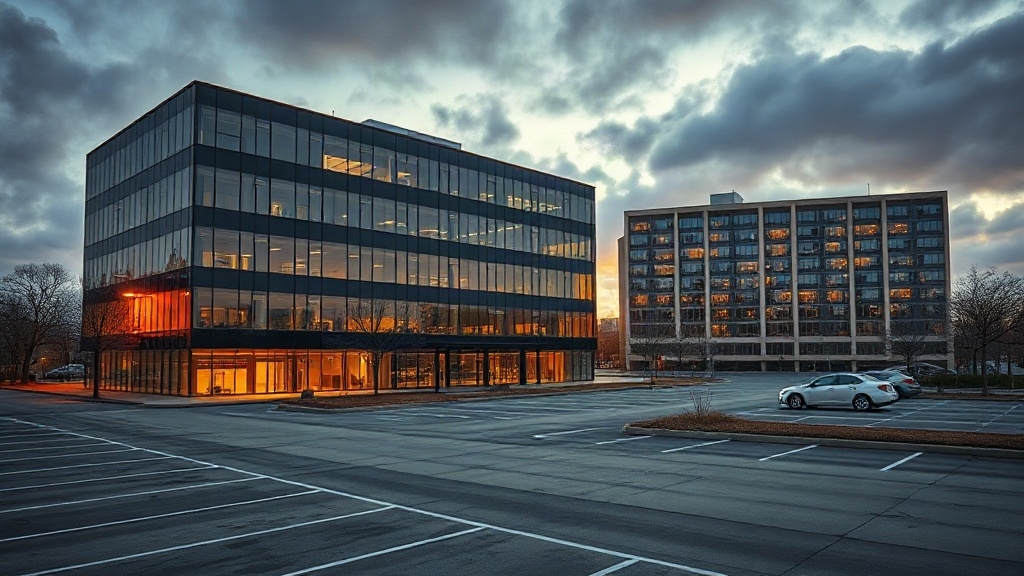
While national construction markets grappled with economic uncertainty throughout 2024, Cleveland defied industry headwinds. The city posted a staggering $3.11 billion in commercial construction permit value.
This unprecedented figure represents a seismic 34% surge over the previous year’s record. It signals an aggressive wave of commercial revitalization sweeping through Ohio’s largest city. Lenders and investors, wary of growing risks due to transit cuts in places like Philadelphia, see Cleveland as a more stable investment environment.
City officials processed nearly 15,000 commercial permits throughout the year. Major healthcare infrastructure investment led the charge.
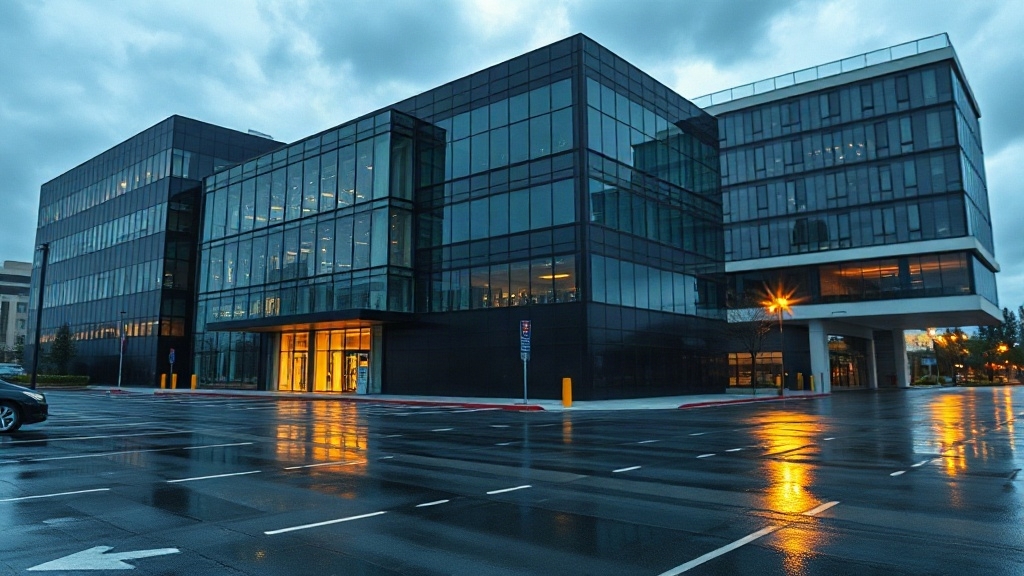
The Cleveland Clinic’s massive $1.1 billion Neurological Institute dominated the permit domain. This project accounted for more than one-third of the total commercial construction value.
This landmark medical facility exemplifies the scale of institutional projects driving Cleveland’s construction boom.
The record-breaking permit activity spans multiple sectors, including healthcare, hospitality, and office developments. This demonstrates broad-based confidence in Cleveland’s commercial real estate market. Cleveland officials emphasize their open for business approach to attract continued investment and development.
The surge contradicts national trends. Elsewhere, construction activity has slowed amid rising interest rates and economic volatility.
Multifamily Development Pipeline Experiences Unprecedented Growth
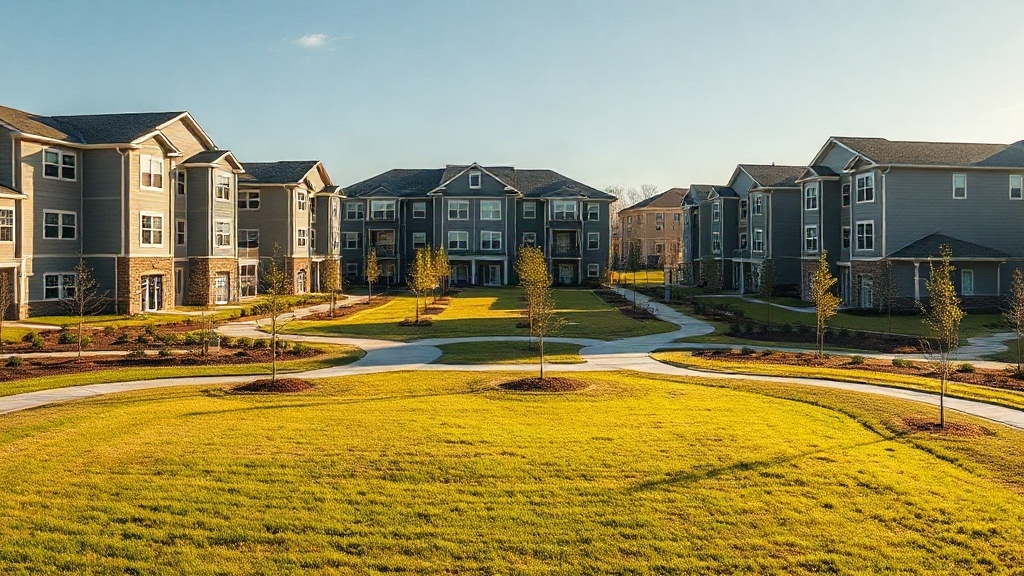
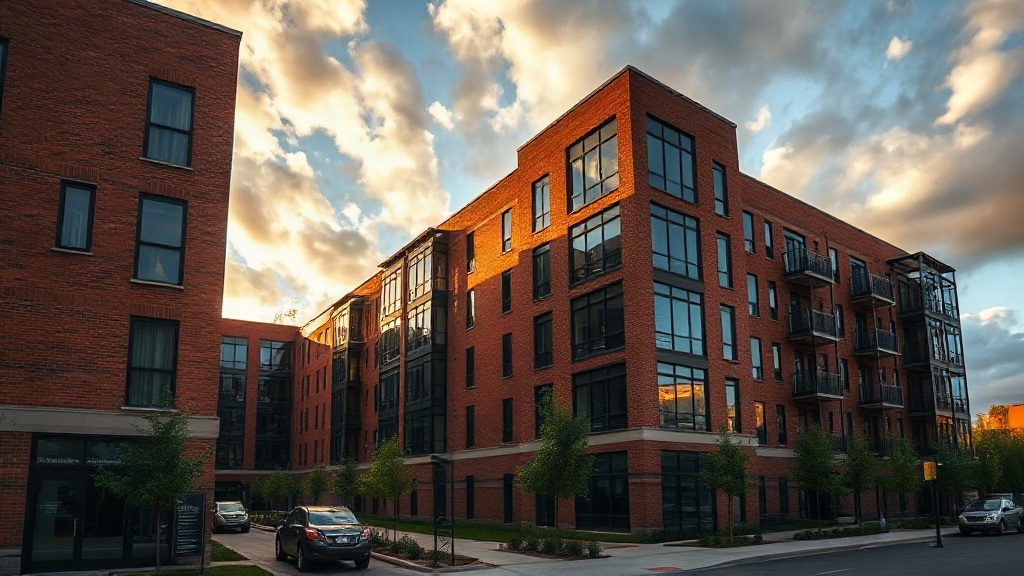
Cleveland’s multifamily development pipeline is experiencing an unprecedented surge. The city’s construction activity is at a fever pitch, with 3,755 units currently under construction as of Q1 2025. This marks the most aggressive building cycle seen in decades. Multifamily demand has accelerated rapidly, driven by a 26% increase in rental searches throughout 2024. Investors are increasingly interested in multi-family properties due to the potential for property appreciation and income stability. Sustained employment growth in healthcare, technology, and manufacturing sectors also contributes to this demand. Construction trends are shifting dramatically toward downtown, as developers race to deliver 3,200 units. Vacancy rates in the area are nearing 10%. East Cleveland stands out as a crucial area, with 700 new units scheduled for completion. This constitutes one-third of the market additions expected before 2026. Rent growth is exerting upward pressure at 3.2% annually, surpassing national averages. Overall vacancy rates have risen to 8.4%. The construction pipeline methodology includes properties with 50 or more units to provide comprehensive market intelligence for investor decision-making. The supply-demand balance is delicate, as substantial deliveries may permanently reshape Cleveland’s rental landscape.


Economic Impact and Job Creation Across Cleveland
The explosive construction boom reshaping Cleveland’s residential terrain is having far-reaching economic consequences. These impacts extend well beyond the real estate sector. In 2024, commercial construction permits reached a record-breaking $3.11 billion. This surge has triggered massive job market expansion across multiple industries. Large-scale projects, like Cleveland Clinic’s $1.1 billion Neurological Institute, are creating thousands of jobs. Similarly, Case Western Reserve University’s $300 million science building contributes to this job growth. Mixed-use developments are generating unprecedented demand for skilled labor and trades. Supporting services throughout the region are also experiencing increased demand. The Port of Cleveland’s $97 million project approval is supporting hundreds of new employment opportunities. Additionally, over 300 new apartments heighten the need for property management and security roles. This construction surge drives economic growth through powerful multiplier effects. Every construction dollar leads to additional spending across Cleveland’s local economy. Infrastructure and commercial space development are creating ancillary employment opportunities. This strengthens Cleveland’s position as a center for innovation, healthcare, and education investment. Just as Phoenix experiences transformation through its digital infrastructure, Cleveland’s focus on healthcare and education cultivates extended regional growth.
Affordable Housing Trust Fund Doubles to Nearly $7 Million
As Cleveland faces soaring rental costs, among the highest year-over-year rises nationally, the city has expanded its affordable housing initiatives.
The Cleveland Housing Trust Fund’s allocation has nearly doubled, growing from $3.3 million in 2024 to a projected $4.15 million for 2025. This financial boost addresses the urgent needs of working-class and middle-class residents dealing with severe housing burdens.
The expanded fund aims to create 2,500 to 3,000 affordable housing units citywide. This is essential as the demand for affordable housing continues to outpace supply.
Community engagement has been crucial, with advocacy groups calling for sustained investment at local and state levels. Charlotte expands Housing Trust Fund to $100 million, showcasing a commitment to addressing the housing affordability crisis with impactful public-private partnerships.
The funding increase aligns with the revitalization of Ohio’s Housing Trust Fund.
This state support enhances Cleveland’s local efforts to tackle the affordable housing crisis.
Assessment
Cleveland’s construction surge is indicative of broader market forces reshaping urban centers in the Midwest. The remarkable increase in permit volume reflects investor confidence in the region’s economic fundamentals.
The acceleration in multifamily development is addressing critical housing shortages. It is also generating substantial employment opportunities.
An expanded affordable housing fund highlights the city’s commitment to inclusive growth strategies. This shows a focus on broad-based economic development.
Industry analysts forecast continued momentum through 2024. Infrastructure investments and population retention are expected to drive sustained construction activity.
Cleveland’s transformation positions it as an emerging investment destination within the Great Lakes markets. The city is becoming increasingly attractive to investors.




















5 Responses
Interesting to see Cleveland booming, but whats the real cost? Are we trading green spaces for concrete jungles? Just food for thought. 🤔
Crazy thought but isnt this sudden construction boom just feeding a bubble thats bound to burst? What about sustainable growth? 🤔
While its great seeing Clevelands growth, I cant help but wonder, wheres the support for small businesses? Arent they the backbone of our economy?
While this growth seems impressive, does anyone wonder if this massive development is really benefiting the average Cleveland resident or just big corporations?
So, more permits and less affordable housing? Sounds like were catering to big business, not the average Joe in Cleveland. Thoughts?