

United States Real Estate Investor

United States Real Estate Investor

United States Real Estate Investor

United States Real Estate Investor

United States Real Estate Investor

United States Real Estate Investor

San Francisco Developer Eyes Macy’s Site for Housing

Article Context

This article is published by United States Real Estate Investor®, an educational media platform that helps beginners learn how to achieve financial freedom through real estate investing while keeping advanced investors informed with high-value industry insight.

  • Topic: Beginner-focused real estate investing education
  • Audience: New and aspiring United States investors
  • Purpose: Explain market conditions, risks, and strategies in clear, practical terms
  • Geographic focus: United States housing and investment markets
  • Content type: Educational analysis and investor guidance
  • Update relevance: Reflects conditions and data current as of publication date

This article provides factual explanations, definitions, and strategy insights designed to help readers understand how investing works and how decisions impact long-term financial outcomes.

Last updated: August 20, 2025

PLATFORM DISCLAIMER: To support our mission to provide valuable resources and insights, United States Real Estate Investor may earn affiliate commissions from links or advertising featured in our content. Images are for informational and entertainment purposes only and may not be fully representative of people or places.

United States Real Estate Investor®
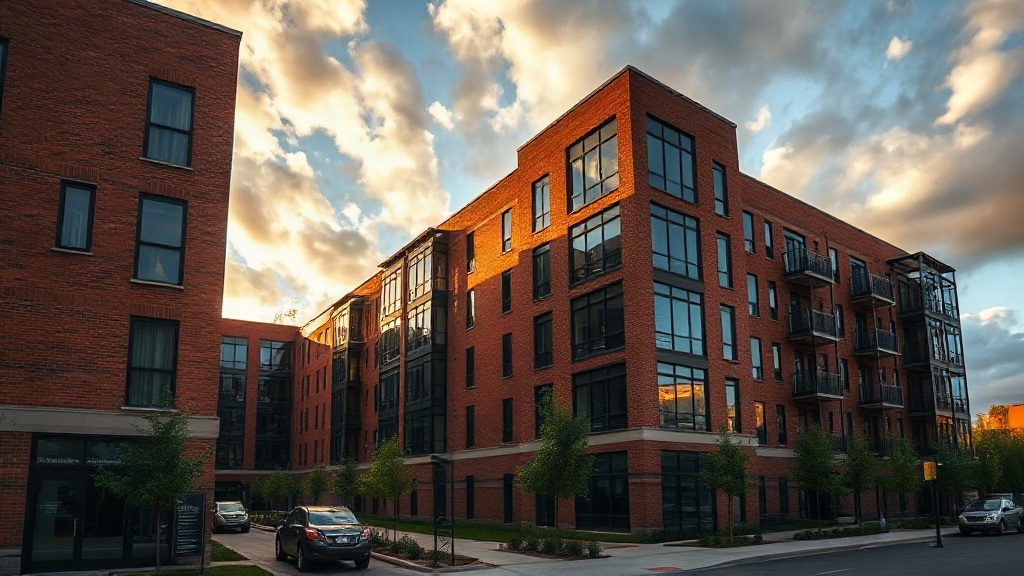
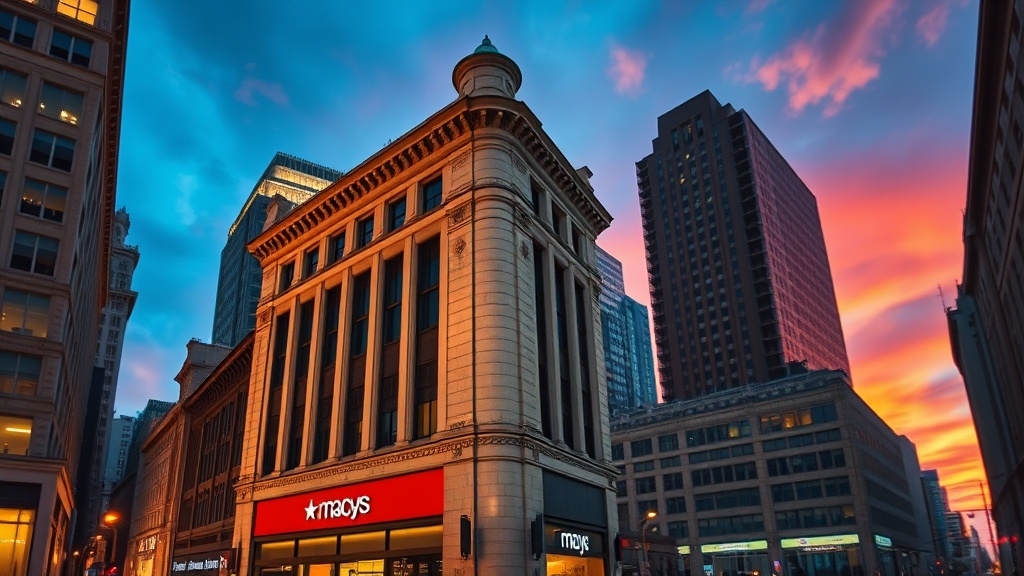
housing development at macy s
Keep reading to discover how a San Francisco developer plans to transform the former Macy’s site into the ultimate blend of retail and residential living.
United States Real Estate Investor®

United States Real Estate Investor® News

Exploring Potential Redevelopment Options

The future of the former Macy’s site in Corte Madera is a topic of increasing discussion. There is potential for its transformation into a sustainable and community-focused space. The 7.5-acre property, which was once a 100,000-square-foot retail area, presents a unique redevelopment opportunity. Sustainability practices are a key focus, as is strong community engagement. The San Francisco-based Prado Group is currently in preliminary talks about the site. The aim is to leverage the property to meet evolving local needs. As environmental considerations grow in importance, redevelopment plans include green building techniques. The property’s adaptive reuse reflects a broader trend seen in Seattle, where retail spaces are being converted for industrial uses. Macy’s, facing declining sales and store closures, has been selling off its real estate, which opens up new avenues for community-oriented development. Community input is critical in shaping the project’s direction. These efforts could turn the site into a vibrant area. The goal is to align with Corte Madera’s housing objectives while addressing both ecological responsibilities and residential needs.

Balancing Retail and Residential Opportunities

San Francisco’s vision for the former Macy’s site focuses on balancing retail and residential opportunities. A key strategy involves mitigating zoning challenges by utilizing redevelopment incentives.

The Enhanced Infrastructure Financing District (EIFD) is a promising tool. It offers financing possibilities through tax revenue increments to fund these transformations. San Francisco’s history of successful office-to-residence conversions exemplifies the city’s potential to repurpose existing spaces creatively.

Adaptive zoning regulations support mixed-use models. These models integrate retail spaces on lower floors with residential units above.

This approach addresses the city’s high retail vacancy rate. It also encourages the revitalization of the community.

Incentives and zoning challenges intersect with this development effort. Enhanced Financing Districts can offset high conversion costs by providing infrastructure funding. Mixed-use models aim to tackle retail vacancies, contributing to community revitalization. Inclusionary zoning addresses affordable housing needs, ensuring balanced development.


San Francisco’s housing market demonstrates nuanced dynamics. Inventory levels have seen modest growth, increasing by 9% year-over-year by spring 2025. This contrasts with shifts in the broader Bay Area. While inventory has more than doubled in two years, the median sale price increased by 1.7%. This reflects a steady demand for housing. Despite low mortgage inventory, there is sustained pressure, with uncommon price cuts noted. Developers eyeing sites like Macy’s are considering these trends carefully. San Francisco’s lucrative tech economy continues to sustain buyer confidence. The strong stock market recovery in the city maintains buoyant demand. Affluent investors remain particularly interested in luxury housing. Ongoing tech-driven interest further boosts the region’s allure. To capitalize on this, developers must focus on creating a spacious, inviting atmosphere with bright and welcoming spaces to attract potential buyers. This fuels a dynamic yet challenging environment for developers planning residential projects.

Assessment

The potential redevelopment of Macy’s San Francisco site marks a significant shift in the city’s urban environment.

As developers consider the balance between retail and residential space, they encounter a dynamic market.

Evolving consumer needs are playing a crucial role in shaping this market.

This project exemplifies broader trends affecting urban centers across the country.

Developers and city planners navigate these challenges with care.

The outcome of this initiative could redefine the future of mixed-use developments in major metropolitan areas.

United States Real Estate Investor®

5 Responses

  1. I reckon its high time SF ditched retail for housing! Macys is prime real estate. But, will it solve the citys affordability crisis? Doubtful.

  2. Just a thought, but isnt turning Macy’s into housing a bit extreme? What about preserving some historic buildings? SF isnt just tech and condos, guys.

  3. Interesting, but why not convert Macys into affordable housing? San Fran needs it more than another swanky condo for tech bros!

  4. Why not convert Macys into affordable housing? Might help SFs homeless issue rather than catering to developers interests. Just a thought.

Leave a Reply

Your email address will not be published. Required fields are marked *

Thank you for visiting United States Real Estate Investor.

United States Real Estate Investor®

Information Disclaimer

The information, opinions, and insights presented on United States Real Estate Investor are intended to educate and inform our readers about the dynamic world of real estate investing in the United States.

While we strive to provide accurate, up-to-date, and reliable information, we encourage readers to consult with professional real estate advisors, financial experts, or legal counsel before making any investment decisions.

Our team of expert writers, researchers, and contributors work diligently to gather information from credible sources. However, the real estate market is subject to fluctuations, changes, and unforeseen events.

United States Real Estate Investor cannot guarantee the completeness or accuracy of the information presented, nor can we be held responsible for any actions taken based on the content found on our website.

We may include links to third-party websites, products, or services.

These links are provided for convenience and do not constitute an endorsement or approval by United States Real Estate Investor.

We are not responsible for the content, privacy policies, or practices of any third-party sites.

Opinions expressed by contributors are their own and do not necessarily reflect the views or policies of United States Real Estate Investor.

We welcome diverse perspectives and encourage healthy debate and discussion.

By accessing and using the content on United States Real Estate Investor, you agree to this disclaimer and acknowledge that the information provided is for informational and educational purposes only.

If you have any questions, concerns, or feedback, please feel free to visit our contact page.

United States Real Estate Investor.

United States Real Estate Investor®
Picture of United States Real Estate Investor®
United States Real Estate Investor®

Helping you learn how to achieve financial freedom through real estate investing.

Don't miss out on the value

Join our thousands of subscribers

Subscribe to our newsletter to learn how to attract clients, close deals faster, and a lot more!

United States Real Estate Investor logo
United States Real Estate Investor®

This is the easiest way to know the industry.
The Ultimate Real Estate Investing Glossary

United States Real Estate Investor®

More content

United States Real Estate Investor®

notice!

Web & Social yearly Package

Please, have ad set files ready before purchase.

Please, be aware that after your purchase on the Stripe payment portal, keep your browser open; You will be automatically redirected to the ad set submission page.

notice!

Web & Social Monthly Package

Please, have ad set files ready before purchase.

Please, be aware that after your purchase on the Stripe payment portal, keep your browser open; You will be automatically redirected to the ad set submission page.