

What Is the U-M Detroit Tower Project?
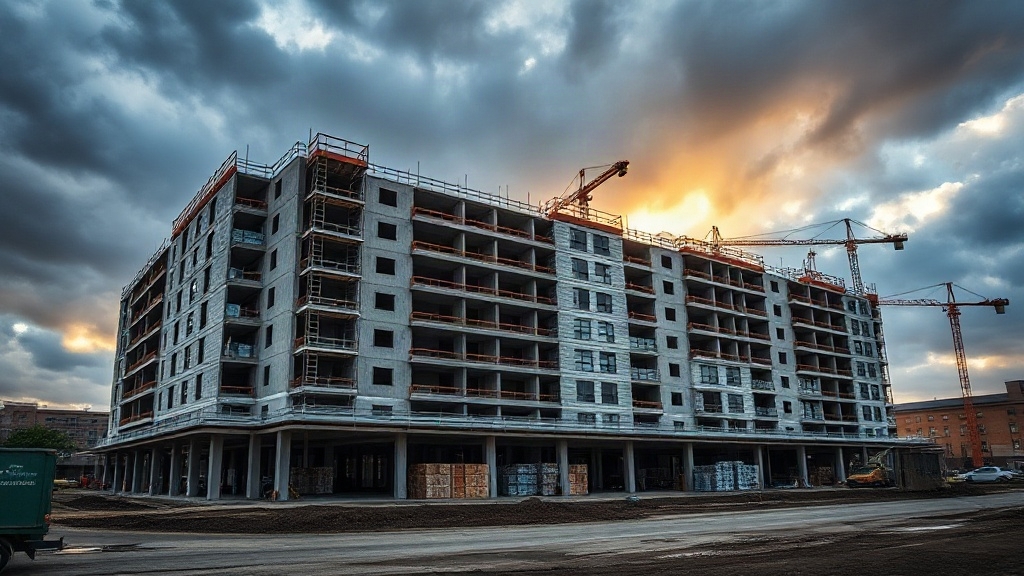
At the center of the University of Michigan’s Detroit expansion, the U-M Detroit Tower Project is a planned 13-story residential development at 2205 Cass Ave. in Midtown.
The tower is being developed by Related Companies and Olympia Development of Michigan beside the University of Michigan Center for Innovation building. It is designed to add 313 housing units across nearly 235,000 square feet, with completion projected for 2028. The University of Michigan plans to lease the tower under an initial 40-year term.
Strategic Role
The project supports the university’s broader Detroit presence by placing housing next to a major research, education, and entrepreneurship hub. Similar large-scale urban projects elsewhere have paired housing growth with mixed-use spaces and infrastructure upgrades to support long-term district development. Its purpose aligns with innovation, inclusive economic growth, and talent development tied to Detroit’s future.
The residential component also reflects practical goals around student wellness and stronger community partnerships. In this context, the tower functions as campus-adjacent housing within a larger long-term expansion strategy.
What Does the UMCI Tower Lease Include?
Beyond defining the tower’s physical scope, the next issue is how the University of Michigan Center for Innovation will control and use the property under the newly approved lease.
The Board of Regents approved the agreement July 17. It gives UMCI a 40-year lease for the residential tower at 2205 Cass Avenue, developed by Related Companies and Olympia Development of Michigan.
The property will support residential use tied to the UMCI district.
Like Dallas’ strong office demand in Uptown, the project reflects how strategic real estate commitments can support long-term growth and district activity.
Key Inclusions
Use rights: UMCI will lease the tower for housing connected to its academic and innovation mission.
Residency eligibility: Occupants include students, faculty, and visiting scholars.
Maintenance responsibilities: The approved summary identifies long-term operational control, while detailed upkeep terms were not publicly outlined.
The lease is intended to reinforce immersion in a community centered on opportunity, technology, and economic development.


How Many Units Will the Detroit Tower Add?
The 13-story residential tower is set to add 313 housing units to the University of Michigan’s downtown Detroit footprint. It marks a major expansion of campus-linked housing within the Center for Innovation district.
At nearly 235,000 square feet, the project averages about 24 units per floor and roughly 751 square feet per unit. That scale signals meaningful new commuter housing capacity and room for affordable initiatives as Detroit campus demand intensifies.
Unit Snapshot
| Metric | Figure | Significance |
|---|---|---|
| Total units | 313 | Major housing increase |
| Floors | 13 | Mid-rise scale |
| Avg. units per floor | 24 | Dense distribution |
| Total space | 235,000 sq. ft. | Large residential footprint |
The tower at 2205 Cass Avenue is expected to open in 2028. It will add long-term residential supply to downtown Detroit.
How the Tower Connects to UMCI Plans
Housing capacity is only one piece of the Detroit expansion. The new tower serves as the residential arm of the University of Michigan Center for Innovation’s broader downtown strategy.
UMCI is designed as an innovation, research, and entrepreneurship hub. The tower supports that mission by placing students, faculty, and workforce participants close to programs within one downtown framework.
Functional Alignment
Its connection to UMCI can be understood in three ways.
- It complements academic space, admissions, and public programming within the six-story, 200,000-square-foot center.
- It supports research collaboration by housing people tied to graduate study, multidisciplinary work, and emerging initiatives.
- It reinforces community partnerships through proximity to workforce development, K-12 programs, entrepreneur support, and regularly scheduled public events.
Together, the tower fits UMCI’s mixed-model approach to education, engagement, and future expansion.
What the U-M Tower Means for Detroit
For downtown Detroit, the planned U-M residential tower signals a sharper and more permanent university presence at 2205 Cass Ave.
The 13-story, 235,000-square-foot building is expected to add 313 graduate-focused units by 2028.
That addition gives the University of Michigan Center for Innovation a residential anchor beside its academic building.
It extends activity beyond classrooms and research space.
It also strengthens community integration by placing students, faculty, and visiting scholars within the surrounding downtown environment.
The project carries a preliminary budget of $186 million and a 40-year lease approved by the Board of Regents on July 17.
Developed by Related Companies and Olympia Development of Michigan, the tower is positioned as part of broader economic revitalization.
It supports talent retention, entrepreneurship, and a more sustained live-work-research ecosystem in Detroit’s urban core.
Assessment
The Detroit tower launch marks a concrete expansion of University of Michigan-linked housing capacity in a tight urban market.
Its long-term lease structure, unit count, and alignment with broader UMCI planning signal a deeper institutional foothold near campus activity centers.
For Detroit, the project reflects rising pressure on land use, student-oriented housing demand, and redevelopment priorities.
The tower stands as both a housing response and a visible indicator of the city’s evolving university-driven growth trajectory.