

What the Rockford Apartment Conversion Is
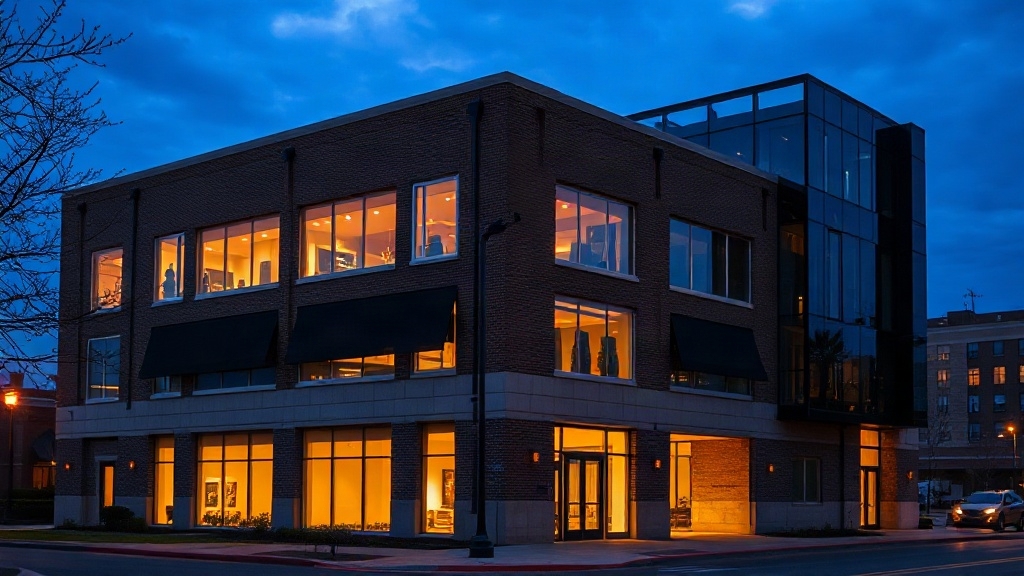
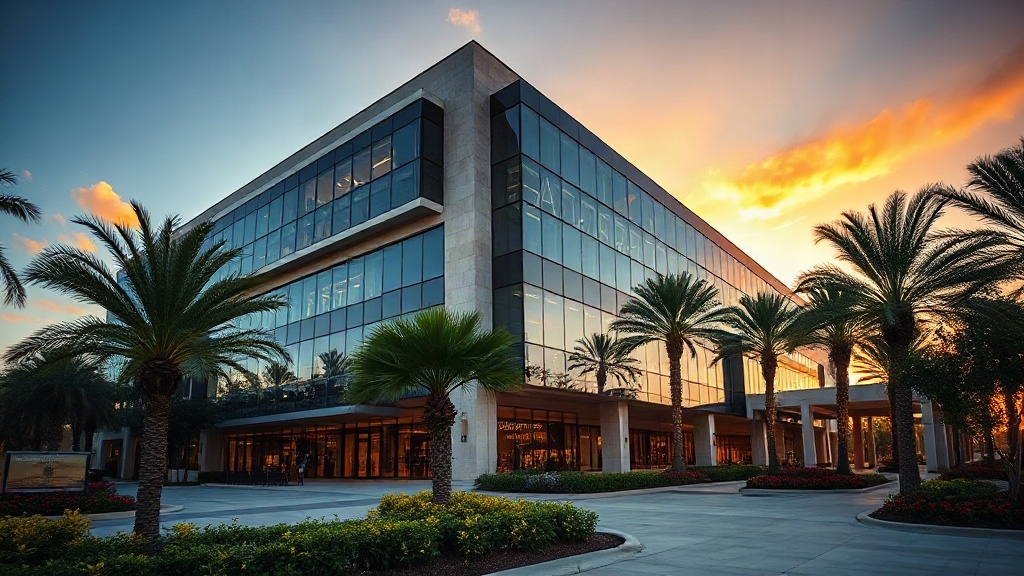
In downtown Rockford, a $2.6 million office-to-apartment conversion is moving forward at 614 First St. It is an adaptive reuse project that transforms an existing commercial building into housing.
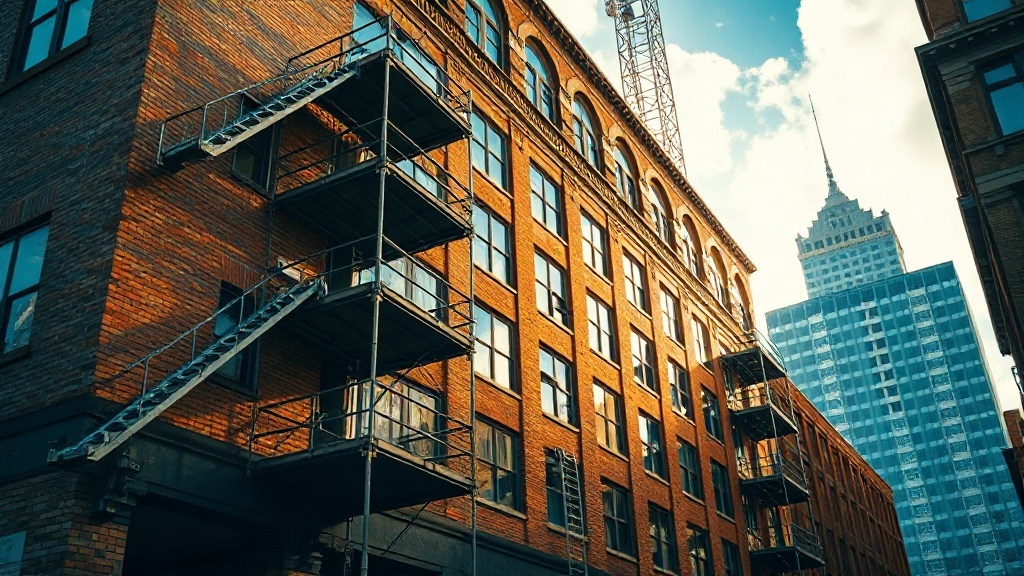
Rather than introducing ground-up construction, the development repurposes what is already there. It is a smaller-scale urban infill effort focused on adding housing within an established downtown setting.
The project reflects broader reinvestment trends in Rockford. Older properties are being reused to support mixed-use activity and a stronger residential presence near offices, services, and the riverfront. Nearby, the city’s larger Colman Yards redevelopment underscores the same push toward downtown housing and mixed-use revitalization.
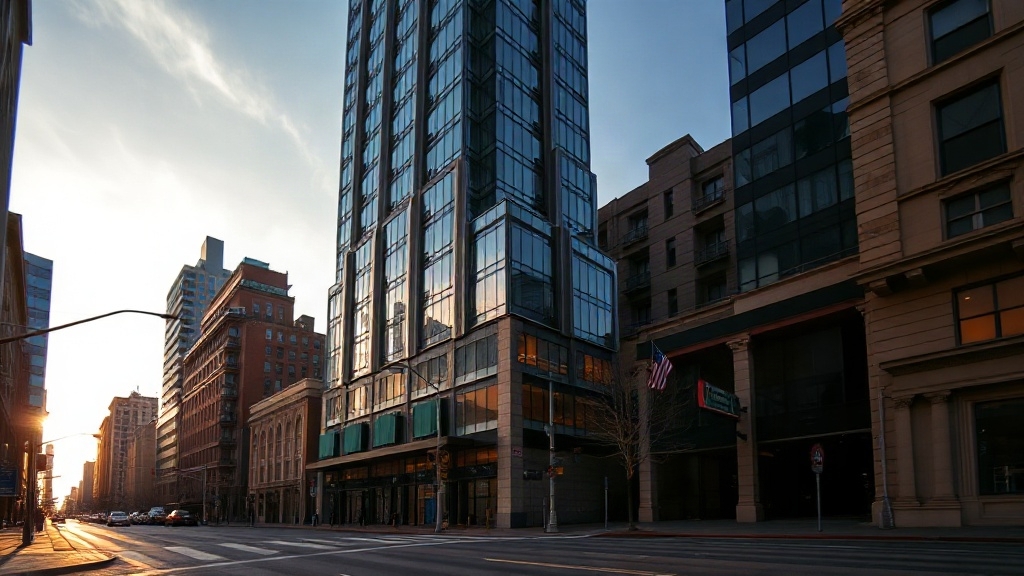
Located off Bridge Street, the site sits in an area showing visible redevelopment momentum. Its proximity to major downtown destinations gives the conversion added urban significance.
As an apartment conversion, the project increases downtown housing supply by turning underused office space into residential use. It also fits into ongoing conversations around historic preservation and zoning changes shaping central city redevelopment.
What the $2.6M Project Includes
At a reported cost of $2.6 million, the Rockford office-to-apartment flip focuses on converting existing office space near Bridge Street into residential units through a targeted adaptive-reuse program.
The reported scope suggests practical, value-add improvements tied to residential occupancy and resale positioning. Rising investor appetite for affordable housing suggests adaptive-reuse projects like this may benefit from stronger market attention.
Included Work
- Interior reconfiguration for apartment layouts
- Demolition of nonessential partitions
- Utility and MEP system upgrades
- Code and accessibility improvements
- Residential finishes, fixtures, and site work
The investment likely also covers shell renovation, structural adjustments, and updated mechanical, electrical, and plumbing systems needed for housing use.
Construction phasing would help sequence demolition, rebuild, and system installation while limiting disruption.
Tenant relocation may also be required if any office occupancy remains during the conversion.


Why the Bridge Street Site Matters
Along Bridge Street, the project occupies a highly visible downtown corridor tied directly to Rockford’s civic and commercial core. That address places it on a recognized approach route linked to the Rock River crossing.
This gives the property strong river visibility and steady exposure from drivers, visitors, and nearby businesses. Bridge connections also widen access to neighborhoods on both sides of the river.
That reach reinforces the site’s strategic position within the downtown market. The location carries added value because it sits within an older urban fabric shaped by compact blocks, established infrastructure, and historic context.
That setting supports adaptive-reuse planning and aligns with broader mixed-use patterns found in central business districts. Like Seattle’s Birch Grove, it also reflects how affordable housing projects are increasingly shaped by strategic urban development goals.
Walkability further strengthens the site, with nearby services, dining, employment, and civic destinations close at hand.
Together, these qualities support everyday convenience and stronger place recognition.
Why This Office Building Became Housing
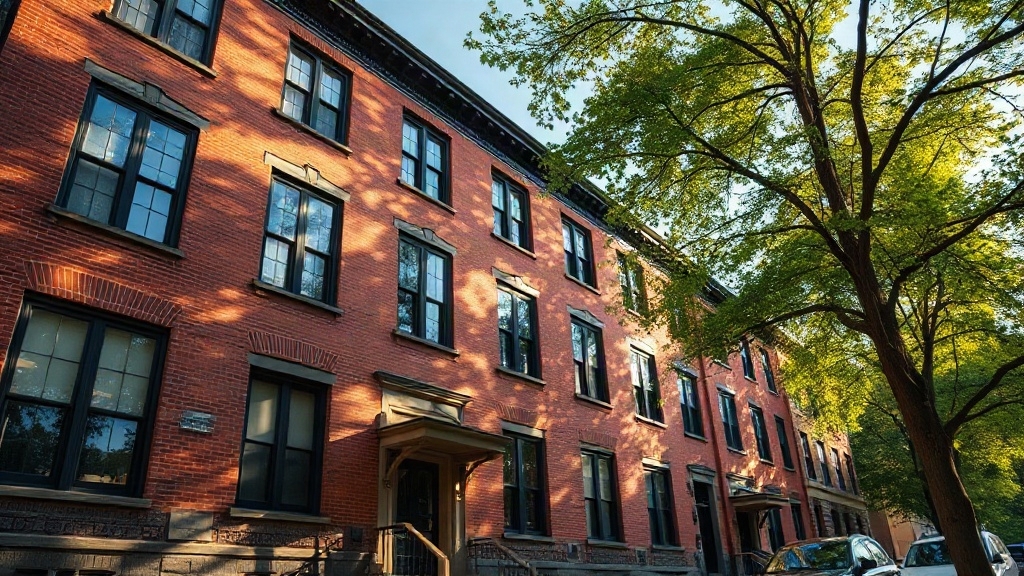
Rather than proceed toward demolition, the former office building shifted to housing conversion because its existing shell, structural frame, and commercial floor plates offered a practical base for apartments within a $2.6 million redevelopment plan.
Developers favored adaptive reuse because the sturdy construction, regular bays, and central service cores supported residential retrofits more efficiently than a ground-up building.
- Reusable shell reduced material and site-preparation needs
- Floor plates allowed division into multiple units
- Existing shafts aided plumbing and circulation planning
- Vacancy created a practical redevelopment opening
- Historic preservation supported neighborhood continuity
Constraints Still Shaped Decisions
The structure also fit housing because its reinforced construction, window lines, and location made renovation economics workable despite code, HVAC, and soundproofing upgrades.
Zoning impacts and rehabilitation financing likely influenced feasibility.
Preserving a recognizable commercial building also limited disruption to the surrounding corridor.
What This Project Means for Rockford Housing
The Rockford conversion points to a practical way to add housing units without acquiring new land or clearing an entire site.
For Rockford, that matters because even small additions can ease a tight rental market, lower downtown vacancies, and reuse older buildings that may otherwise sit underused.
Affordability Pressure
The project also highlights affordability tradeoffs.
Conversions often need tax credits, abatements, or other subsidies, and public support is more defensible when some units are income-restricted.
Examples from Chicago, Boston, and New York show mixed-income models can expand access for households priced out of new construction while improving financing options.
Downtown Stakes
More residents downtown can strengthen demand for restaurants, retail, transit, and other downtown amenities.
Still, office-to-apartment projects remain limited in scale, so Rockford should view this as incremental support, not a complete housing solution.
Assessment
Rockford’s $2.6 million office-to-apartment conversion signals a practical response to shifting downtown real estate pressures.
The Bridge Street project advances a broader pattern in which obsolete office space is repositioned for residential demand.
If completed as planned, the redevelopment will add housing and reactivate an underused property.
It will also test the city’s ability to adapt aging commercial buildings.
Its progress reflects both the strain on older office assets and the urgency surrounding workable housing supply in Rockford.