

What Happened at 657 Boulevard?
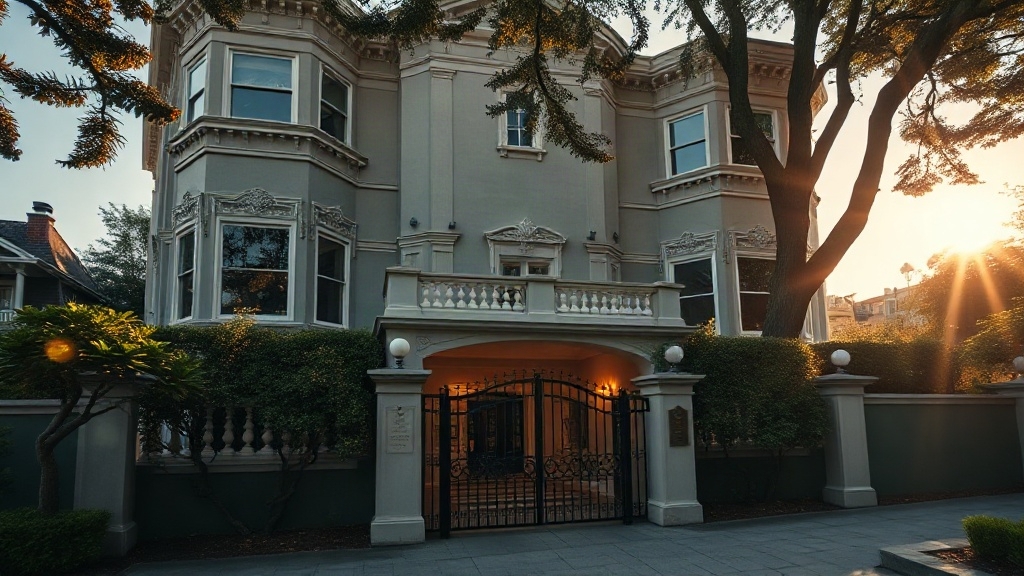
Shortly after the June 2014 purchase, 657 Boulevard in Westfield, New Jersey, shifted from an upscale 1905 Dutch Colonial Revival home into the center of a deeply unsettling mystery.
The six-bedroom house had been bought by Derek and Maria Broaddus for about $1.36 million on an affluent street.
Before moving in, they received an anonymous letter from someone claiming decades of anonymous surveillance and knowledge of prior generations tied to the property.
The first note was addressed to “The New Owner” and signed by someone calling themself The Watcher.
More letters followed. They described parts of the home’s layout and mentioned the family’s children in alarming terms.
Police were contacted, and investigators, private detectives, and former FBI personnel were reportedly brought in. In another major property-rights case, Florida authorities recently won a ruling lifting more than 9,303 statewide liens tied to deceptive real estate agreements.
DNA and postmark details produced no confirmed suspect. The family stayed out, and 657 Boulevard entered neighborhood folklore as a real address shadowed by fear.
Why Did the Watcher Letters Matter?
The letters were the reason 657 Boulevard became more than a troubling real estate story. They turned it into a documented stalking case centered on a private home.
They began arriving soon after the purchase, before the family moved in, and continued over several years. Their timing made the situation immediately alarming.
Their detailed references to the house, children, vehicles, renovations, and routines made the threat feel credible. That precision suggested sustained observation, not random nuisance mail.
The correspondence also showed premeditated intimidation. Its repetitive, carefully composed language increased the psychological impact on the family.
That same pattern made investigators treat the matter as active harassment. The letters were not easy to dismiss as a prank.
Beyond the investigation, media coverage made the letters the defining element of the case. Articles, podcasts, and dramatizations pushed 657 Boulevard beyond a local dispute.
It became an internationally recognized example of anonymous, home-based stalking. The letters were what gave the story its lasting identity.
In a broader housing context, stories tied to private homes can gain even more attention in markets defined by low inventory and intense buyer competition.


Why Isn’t the Watcher Case Solved?
Why does the Watcher case remain unsolved despite years of attention and investigation?
Authorities have identified no suspect, filed no charges, and described the investigation as inactive rather than closed.
Thin Evidence, Tight Limits
The letters suggested harassment and intimate local knowledge, but they offered no usable fingerprints and no definitive physical identification.
DNA from an envelope reportedly indicated a female contributor, yet it did not produce a named suspect or a charge-ready match.
Legal Obstacles and Dead Ends
Anonymous typed letters are difficult to attribute beyond reasonable doubt without corroboration.
Neighborhood suspicion, media attention, and theories about family dynamics never became admissible proof.
Legal obstacles also blocked outside genealogy testing after the Broaddus family sought the evidence in 2020.
Without a confession or direct DNA match, the mystery persists.
How Did the Watcher House Change Westfield?
Even without an identified culprit, the consequences in Westfield were concrete, visible, and expensive.
The house at 657 Boulevard shifted from a private residence to a public symbol. Its prolonged limbo, renovation costs, and later resale at a steep loss showed how notoriety could damage a single property.
Beyond one address, the case altered street-level perception.
Neighbors faced outside attention, media presence, and tourism curiosity that changed the block’s atmosphere from ordinary to watchful.
Westfield itself absorbed an enduring community stigma. National coverage and the later Netflix adaptation tied the town’s name to an unresolved stalking mystery, reshaping part of its reputation.
The result was a durable true-crime identity.
Even as daily life continued, 657 Boulevard remained embedded in Westfield’s modern story and public image.
Why Are Westfield Home Prices Still High?
Affluent demand continues to anchor Westfield at elevated price levels despite recent year-over-year cooling. Buyer demographics remain favorable, with local household income around $289,000 and median sale prices still ranging from about $1.0 million to $1.3 million across major housing platforms.
The town’s schools, preserved downtown, and direct New York City commute continue to support a durable lifestyle premium.
Supply Shortfall Deepens
Inventory constraints remain severe. Realtor.com shows just 45 homes for sale, while its three-year trend indicates listings have fallen nearly 80%, reinforcing a structural supply problem rather than a brief imbalance.
That scarcity helps sellers retain leverage even as prices soften from prior peaks.
Competition Keeps Values Elevated
Homes continue to move quickly, with market times reported between 10 and 25 days. Sale-to-list ratios above 103% indicate persistent bidding pressure.
Assessment
Nearly a decade later, the Watcher case remains one of suburban New Jersey’s most unsettling unresolved threats.
The letters transformed 657 Boulevard from a luxury address into a national symbol of fear, surveillance, and real-estate disruption.
Even without an arrest, Westfield absorbed the shock and kept much of its market strength.
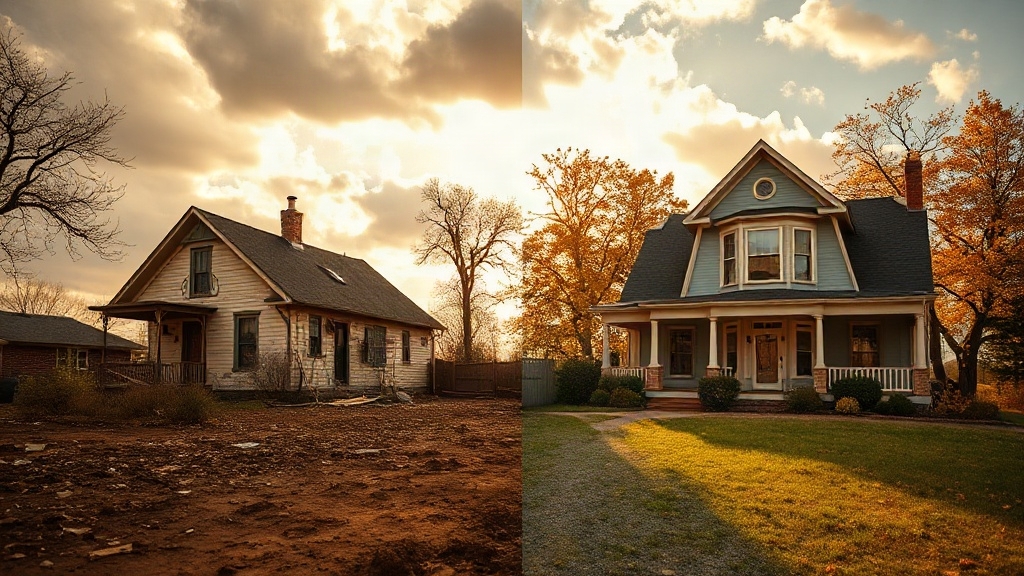
The result is a rare split-screen reality.
A notorious house still carries stigma, while the surrounding suburb continues to command high prices and buyer demand.