



Key Takeaways
- Utah offers strong opportunities in job-driven markets like Salt Lake City, Provo, and St. George.
- Risks such as insurance costs, oversupply, and affordability are reshaping investor strategies.
- Success in 2025 requires disciplined buy-and-hold, diversification, and cost control.
Utah’s real estate market in 2025 is both a goldmine and a minefield.
Investors are watching one of America’s fastest-growing states cool down, and the stakes have never been higher.
Opportunities remain massive, but so do the risks.
Will Utah still build wealth for smart investors, or will hidden costs and oversupply drain returns?
In this guide, we’ll cover:
- Where the best opportunities remain in Utah.
- The risks that could wreck your returns.
- Strategies to balance cash flow and growth in 2025.
- City-by-city outcomes investors must understand.
- What the next 12–24 months could bring for buyers and landlords.
The numbers tell a story of both promise and peril.
Let’s break it down.
Utah’s Housing Boom Shifts Into Dangerous Territory
Utah has been one of the most talked-about markets in the United States over the past decade.
Population growth, job expansion, and a steady stream of newcomers helped push prices to historic highs.
Investors from across the country have poured money into Salt Lake City, Provo, Ogden, and St. George, betting on Utah’s economic momentum.
Now in 2025, the environment is shifting. The same forces that created maximum opportunity are starting to reveal maximum risk.
Prices are still elevated, but growth has slowed.
Rental markets are softening in certain counties as new supply floods in. Insurance costs are eating into cash flow, and affordability challenges are squeezing buyers.
The central question for investors is clear.
Can Utah remain a profitable place to build wealth, or are the risks threatening to overshadow the returns?
This article examines both sides of the story, breaking down where opportunity still exists and where caution is essential.
Market Snapshot 2025: Utah at a Crossroads
Utah’s housing market in 2025 is no longer the runaway success story it was just a few years ago. Median home prices sit around $534,000, showing modest year-over-year growth of less than 2 percent.
That is a sharp slowdown compared to the double-digit surges investors enjoyed during the pandemic years.
Homes are also spending more time on the market, giving buyers additional leverage and forcing sellers to offer concessions to close deals.
The rental market tells a similar story.
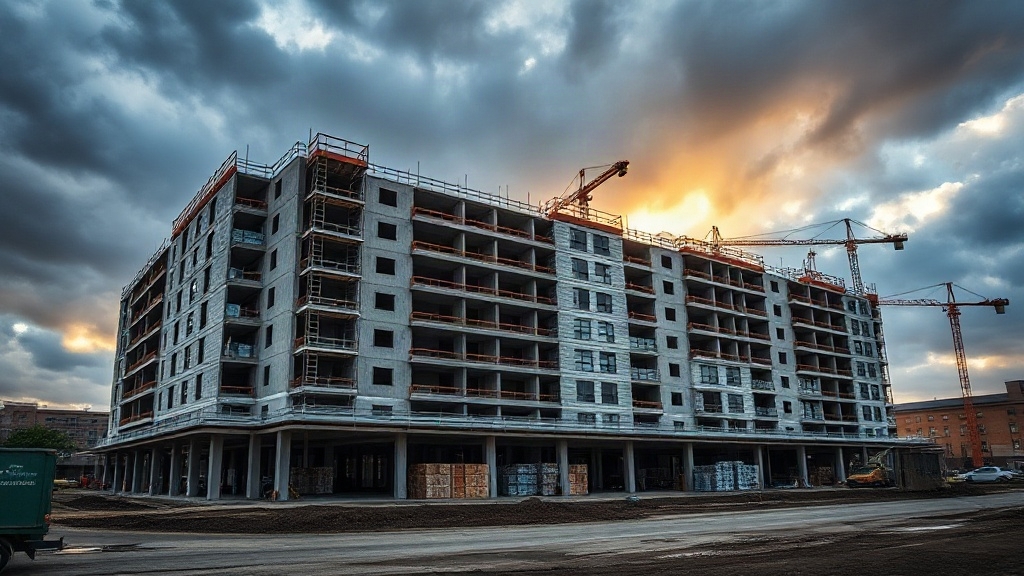
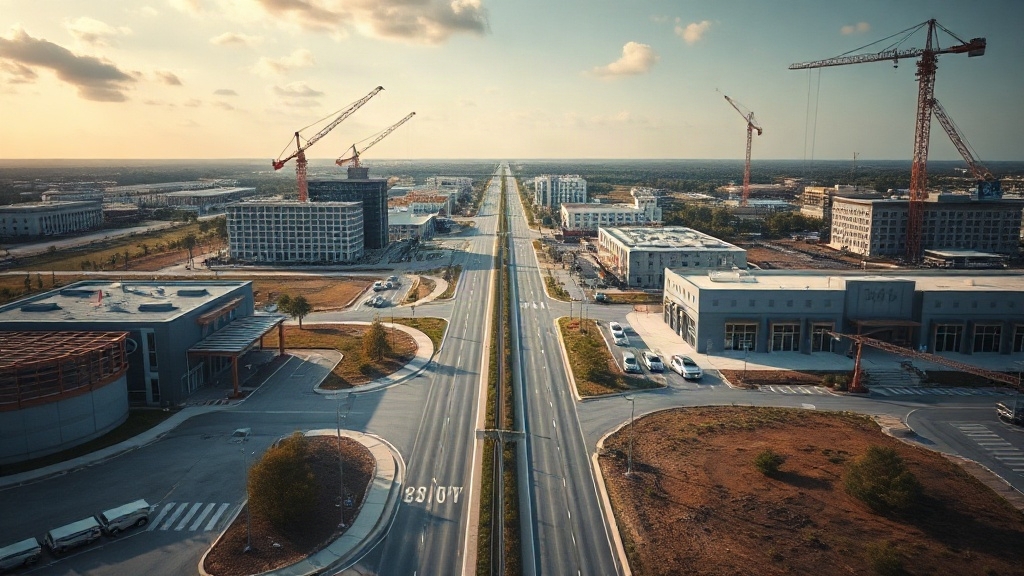
Demand remains strong in core job centers, yet oversupply in certain areas is cooling rent growth. New apartment construction in counties such as Salt Lake and Utah has created a wave of units that outpace tenant demand.
This is beginning to put downward pressure on rents, cutting into expected yields for landlords.
Insurance costs have become another unexpected factor.
Premiums in Salt Lake City and surrounding areas have climbed significantly, reducing net operating income for owners who bought at peak prices. Affordability is also a growing barrier.
Wages have not kept pace with housing costs, and many Utah families are priced out of homeownership, which helps rental demand but limits appreciation potential.
The market today is balanced on a knife’s edge.
Strong job growth and steady migration continue to create opportunity, but elevated prices, rising costs, and oversupply in some segments are introducing new risks that investors cannot ignore.


Maximum Opportunities: Where Utah Investors Can Still Win
Despite the slowdown, Utah still holds major opportunities for investors who know where to look.
Certain cities and regions continue to offer strong fundamentals, driven by population growth, job creation, and lifestyle demand.
Salt Lake City remains the anchor of the state’s housing economy. The city’s tech sector, medical facilities, and financial services create a reliable stream of renters.
Urban revitalization projects downtown and in surrounding neighborhoods continue to attract young professionals seeking both rentals and starter homes.
Provo and Utah County present another powerful opportunity. With a younger population and two major universities nearby, the rental market is consistently replenished.
High turnover creates challenges for landlords, but it also drives reliable demand for well-maintained properties.
Tech companies expanding into this region further support long-term growth potential.
Ogden appeals to investors looking for affordability and better cash-on-cash returns. Entry prices are lower than in Salt Lake or Provo, yet rental demand remains healthy.
For buy-and-hold investors, Ogden provides a chance to build cash flow without the higher upfront costs.
St. George stands out as a lifestyle and relocation destination. Families and retirees are flocking to southern Utah for its warmer climate and outdoor recreation.
Vacation rentals thrive here, offering strong short-term rental opportunities for investors willing to manage seasonal demand.
Suburbs and exurbs across the Wasatch Front are also creating hidden value. Master-planned communities with new infrastructure and amenities attract both homeowners and renters.
These emerging markets allow investors to secure properties at lower costs while benefiting from future growth as demand spills beyond the urban cores.
Utah is still ripe with opportunity, but investors must target the right cities and strategies to achieve meaningful returns.
Maximum Risks: The Dark Side of Utah’s Growth Story
Alongside Utah’s opportunities are risks that can quickly erode investor returns. These challenges are not theoretical.
They are already reshaping market dynamics in 2025.
1. Rising Insurance Premiums
-
Insurance costs in Salt Lake City have surged by double digits year-over-year.
-
Climate-related risks and higher rebuilding costs are driving premiums upward.
-
Investors who bought during peak pricing now face shrinking net operating income.
2. Affordability Pressures
-
Median home prices hovering near $534,000 far outpace wage growth.
-
Many households are priced out of buying, keeping rental demand high but limiting long-term appreciation.
-
First-time buyers are waiting longer, reducing turnover and transaction volume.
3. Oversupply in Apartments
-
New multifamily projects across Salt Lake and Utah Counties are delivering thousands of units.
-
Rent growth has flattened, and in some pockets, rents have begun to decline.
-
Vacancy rates are rising in newer complexes, forcing landlords to offer incentives.
4. Interest Rate Volatility
-
While rates have eased slightly from recent highs, they remain unpredictable.
-
Investors relying on short-term financing or adjustable-rate mortgages face exposure.
-
Refinancing opportunities are limited, squeezing those with heavy leverage.
5. Market Corrections in Overheated Submarkets
-
Certain neighborhoods that saw unsustainable growth during the pandemic are showing price stagnation or modest declines.
-
Investors who entered at inflated valuations are struggling to resell or refinance without losses.
Data Snapshot: Utah Investor Risks in 2025
| Risk Factor | Current Impact in Utah | Investor Implication |
|---|---|---|
| Insurance Premiums | Rising 10–15% annually | NOI reduction |
| Home Affordability | Median price $534K | Buyer pool shrinking |
| Apartment Oversupply | Vacancy rising | Rent concessions |
| Interest Rate Volatility | 6–7% mortgages | Financing strain |
| Submarket Corrections | Price stagnation | Lower exit values |
Utah is not collapsing, but these risks demand careful planning.
Maximum opportunity is only possible if investors prepare for maximum risk.
Strategy Playbook for Utah in 2025
Investors cannot approach Utah the same way they did five years ago. The market’s new mix of high opportunity and high risk requires sharper strategies.
The following approaches can help investors adapt to today’s conditions:
Buy-and-Hold Rentals
-
Best suited for job-rich areas like Salt Lake City and Provo.
-
Strong population growth continues to support long-term tenant demand.
-
Investors should focus on properties with stable cash flow rather than speculative appreciation.
Short-Term Rentals
-
Most effective in lifestyle markets such as St. George and Park City.
-
Vacation and relocation demand drives high seasonal occupancy.
-
Regulations must be reviewed carefully, as local governments may tighten rules.
Fix-and-Flip
-
Riskier in 2025 due to slower appreciation and higher holding costs.
-
Profitable only in select neighborhoods where demand still outpaces supply.
-
Investors should budget for longer days on market and potential price concessions.
Multi-Family and House Hacking
-
Rising affordability challenges make shared housing more attractive.
-
Duplexes, triplexes, and fourplexes provide a buffer against vacancies.
-
House hacking allows new investors to offset high mortgage payments by living in one unit while renting out the others.
Diversification Across Regions and Property Types
-
Investors should not rely solely on Salt Lake City or Utah County.
-
Ogden offers lower entry prices and higher yields, while suburban areas along the Wasatch Front provide long-term growth potential.
-
Mixing short-term and long-term rental strategies can balance cash flow and appreciation risk.
Utah Investor Strategy Matrix
| Strategy | Best Locations | Key Benefit | Main Risk |
|---|---|---|---|
| Buy-and-Hold Rentals | Salt Lake City, Provo | Consistent tenant base | High entry cost |
| Short-Term Rentals | St. George, Park City | Strong seasonal income | Regulatory restrictions |
| Fix-and-Flip | Select SLC suburbs | Quick profit potential | Slower appreciation, high costs |
| Multi-Family/House Hack | Ogden, suburbs | Steady cash flow | Tenant turnover |
| Diversification | Wasatch Front exurbs | Balanced portfolio | Market fragmentation |
These strategies are not one-size-fits-all.
Investors must match their approach to the realities of each Utah submarket to maximize opportunity while protecting against risk.
Case Study: Three Utah Cities, Three Investor Outcomes
Utah’s markets are far from uniform.
A closer look at Salt Lake City, Ogden, and Provo shows how dramatically investment outcomes can differ within the same state.
Salt Lake City
-
Median home price: about $590,000.
-
Average monthly rent: $1,900 for a 3-bedroom unit.
-
Buy-and-hold returns are modest due to high entry costs, with cash-on-cash yields around 4–5 percent.
-
Strong job growth supports long-term appreciation but leaves little room for short-term flips.
Ogden
-
Median home price: about $420,000.
-
Average monthly rent: $1,600 for a 3-bedroom unit.
-
Higher cash flow potential, with cash-on-cash yields closer to 6–7 percent.
-
Lower purchase prices make it more accessible for first-time investors, though appreciation is slower.
Provo
-
Median home price: about $500,000.
-
Average monthly rent: $1,850 for a 3-bedroom unit.
-
Strong demand from students and young professionals.
-
High tenant turnover increases management intensity but creates consistent occupancy.
Comparative Table: Utah Investor Outcomes
| City | Median Home Price | Avg. Rent (3BR) | Cash-on-Cash Yield | Investor Profile |
|---|---|---|---|---|
| Salt Lake City | $590,000 | $1,900 | 4–5% | Best for long-term buy-and-hold |
| Ogden | $420,000 | $1,600 | 6–7% | Best for cash flow-focused investors |
| Provo | $500,000 | $1,850 | 5–6% | Best for investors willing to manage turnover |
These examples highlight a central truth for 2025.
Success in Utah depends less on broad statewide trends and more on selecting the right city and strategy.
The 12-24 Month Outlook: What’s Next for Utah Investors
The next two years in Utah will test investors’ ability to balance opportunity with risk.
While the fundamentals of population growth and job creation remain intact, the market is evolving in ways that require sharper planning.
Price Movement
-
Home prices are expected to grow modestly at 1–3 percent annually.
-
Appreciation will be strongest in affordable suburbs and weakest in overheated urban neighborhoods.
Rental Market Forecast
-
Rent growth is projected to cool statewide, especially in Salt Lake and Utah Counties where new apartments are hitting the market.
-
Secondary cities like Ogden may continue to see healthier rent growth due to less competition.
Construction Pipeline
-
Thousands of new units are slated for delivery in the Wasatch Front region.
-
This pipeline will weigh heavily on multifamily occupancy and rents over the next 24 months.
Cost Pressures
-
Insurance premiums are expected to rise another 8–12 percent annually in many Utah markets.
-
Property taxes may increase as municipalities adjust to higher valuations, further squeezing NOI.
Emerging Opportunities
-
Affordable housing developments are gaining attention as demand rises among priced-out buyers.
-
Sustainable and energy-efficient housing could attract both tenants and favorable financing.
-
Suburban and exurban growth corridors with planned infrastructure investments will present strong buy-and-hold potential.
Forecast Snapshot: Utah 2025–2027
| Factor | Forecast Impact | Investor Implication |
|---|---|---|
| Home Prices | +1–3% annually | Modest appreciation only |
| Rent Growth | Flat to slight decline in urban centers | Stronger in secondary cities |
| New Construction | High pipeline | Rising vacancies in multifamily |
| Insurance Costs | +8–12% annually | Lower NOI, tighter margins |
| Emerging Niches | Affordable and sustainable housing | Potential for higher ROI |
The outlook suggests that Utah is moving into a period of stabilization rather than runaway growth.
Investors who align with cash flow, cost control, and emerging demand will be best positioned to benefit.
Wealth Still Possible, But Only for the Prepared Investor
Utah’s real estate market in 2025 is no longer the free ride it once was.
The state still offers maximum opportunities, particularly in markets with strong job growth, youthful demographics, and lifestyle appeal. At the same time, maximum risks are mounting.
Rising insurance premiums, affordability pressures, and oversupply in multifamily housing are reshaping the investment landscape.
For investors willing to adapt, Utah remains viable.
Buy-and-hold strategies in job-rich corridors, short-term rentals in lifestyle markets, and multi-family plays in affordable cities like Ogden can still produce solid returns.
However, investors who ignore the risks may find themselves with shrinking cash flow, longer holding times, and weaker exit strategies.
The bottom line is that Utah continues to deliver wealth-building potential, but only for investors who enter with discipline, careful planning, and a strategy tailored to the realities of 2025.























5 Responses
Is anyone else worried that this Utah housing bubble is just a repeat of 2008? Feels like were playing with fire here!
Is anyone else concerned that Utahs housing boom is just a bubble waiting to burst? It feels like were ignoring the risks here.
Ever considered that Utahs dangerous territory might just be the perfect recipe for a high-risk high-reward investment strategy?
Interesting read, but isnt the boom just inflating a bubble thats bound to burst? Are we not setting ourselves up for a 2008 repeat here?
Interesting read, but isnt the dangerous territory simply a result of supply-demand dynamics? Can we really label natural market fluctuations as risks?