


What Is New York’s Pied-a-Terre Tax?
Fundamentally, New York’s pied-a-terre tax is a proposed annual surcharge on high-value residential properties in New York City that are not used as a primary residence.
It would apply to qualifying luxury homes owned by non-residents and impose a progressive levy tied to property value.
Officials present it as a fairness measure because these owners benefit from city services without paying city income tax.
The proposal targets second homes valued at $5 million or more in New York City. In 2025, investors increasingly treated regulatory risks as a core underwriting variable, making taxes like this more central to luxury asset pricing and hold strategies.
Structure, Purpose, and Risks
The surcharge begins at 0.5 percent on value above $5 million and rises with property luxury.
Supporters frame it as revenue generation, market signaling, and a response to tax avoidance through residency loopholes.
Projected collections reach at least $500 million annually, helping address budget pressure.
At the same time, enforcement challenges remain central because residency status, occupancy patterns, and exemption claims can be difficult to verify accurately.
Which Homes Would the Pied-a-Terre Tax Hit?
The proposed levy would target a narrow slice of New York City’s luxury housing market. It would apply to residential properties valued at $5 million or more when they are not used as the owner’s primary residence.
It would mainly affect nonresident condos and luxury co-ops owned by buyers whose main homes are outside the city. In other markets, policy shifts such as inspection waivers bans have shown how targeted housing rules can quickly reshape buyer behavior.
| Category | Included? | Notes |
|---|---|---|
| Primary residence | No | Owner lives there |
| Rented full-time | No | Tenant is primary resident |
| Family-occupied | No | Owner’s family uses home |
| Luxury second home | Yes | Seasonal or occasional use |
The surcharge would start at 0.5% for homes above $5 million. It would rise to 4.0% for homes above $25 million.
Estimates suggest about 13,000 units could qualify. Most would be high-end apartments.
Everyday New Yorkers’ homes would remain entirely outside its scope.


Why New York Wants a Pied-a-Terre Tax
Amid a widening budget gap, New York is pursuing a pied-a-terre tax to raise substantial recurring revenue from ultrawealthy non-residents.
Rather than broadening the burden on full-time city residents, the plan targets luxury second-home owners.
Officials frame it as an equitable contribution from people who benefit from city safety, infrastructure, and stability while paying little local income tax.
The idea is that owners of high-end second homes should contribute more to the systems that support their properties.
Revenue Logic
The proposal is expected to raise roughly $500 million to $650 million annually.
It would apply to about 13,000 properties worth more than $5 million.
The policy also reflects a broader view that some luxury units function more as wealth signaling and wealth storage than as lived-in housing.
That argument has made the tax appealing to lawmakers looking for politically defensible revenue.
Street-Level Imagery
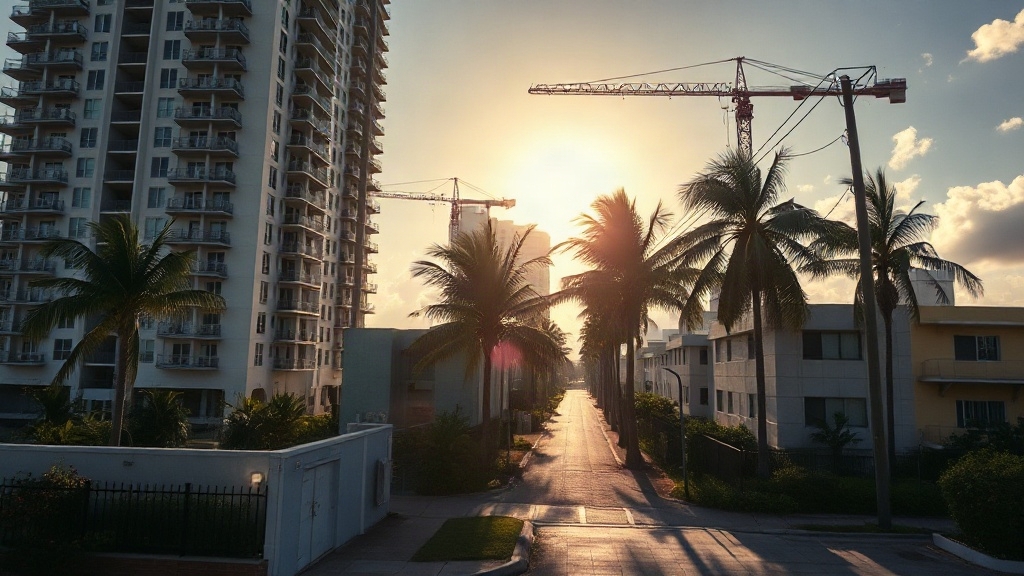
- Darkened towers above quiet avenues
- Doormen watching empty lobbies
- Marble kitchens used a few weekends
- Tax rolls swelling without touching workers
- City services supporting seldom-seen owners
Why Real Estate Groups Oppose the Tax
Many real estate organizations argue that a pied-a-terre tax would do more harm than good by weakening luxury demand and depressing high-end property values. They also say it could discourage investment tied to construction and new development.
They contend the measure could trigger market flight among wealthy second-home buyers. In their view, that would shrink a tax base that contributes heavily while using relatively few city services.
Industry groups also warn that lower investment would eliminate construction jobs and weaken related businesses. They say it could also raise housing costs through broader market disruption.
Distortion and Doubt
Opponents say the tax would distort pricing by pushing inventory below the $5 million threshold. They argue this would create inefficient signals and warp development decisions.
They also believe the surcharge would underperform revenue expectations and fail to solve affordability problems. In their view, it could distract from more effective policy alternatives for housing supply and fiscal reform.
Will New York Approve the Pied-a-Terre Tax?
Whether New York approves the pied-a-terre tax now appears to depend less on policy design than on Albany politics.
Governor Kathy Hochul proposed it on April 15, 2026, as budget talks stalled and New York City faced a large gap.
The measure would tax luxury second homes worth $5 million or more. It aims to raise at least $500 million a year.
Its legislative timeline remains tied to budget negotiations, though industry analysis suggests approval is likely.
Signals Shaping the Vote
Public opinion may matter less than support from Mayor Zohran Mamdani, Brad Hoylman-Sigal, and lawmakers seeking recurring revenue without burdening ordinary residents.
- Gilded towers with dark windows above Midtown
- Closed lobby doors behind part-time addresses
- Budget ledgers crowded with red ink
- Albany chambers trading numbers late at night
- City Hall counting aid, savings, and new taxes
Assessment
New York’s proposed pied-a-terre tax remains a flashpoint in the state’s housing and fiscal debate.
Supporters frame it as a targeted revenue measure aimed at ultra-luxury second homes, while opponents warn it could disrupt high-end sales and weaken investor confidence.
They also argue it could ripple through the broader tax base.
Its fate will likely depend on Albany’s appetite for taxing wealth tied to real estate.
Concerns persist over market instability, legal complexity, and unintended economic consequences.