



Key Takeaways
- The $100,000 fee on new H-1B visas introduces a sharp cost increase with immediate implications.
- Housing demand in U.S. tech hubs could fall, especially in mid-high-end rental and ownership markets.
- Multifamily, single-family luxury, and commercial office investors in tech cities face heightened risk.
Trump’s shocking $100K H-1B visa fee is shaking the ground under U.S. tech hubs.
Will this policy change drain the lifeblood of housing demand?
Could your high-rent investments suddenly turn into dead weight?
-
Why the visa fee threatens housing demand in San Francisco, Seattle, Austin, and more.
-
How luxury rentals and high-end homes are most at risk.
-
Where investors can pivot to survive the fallout.
Get ready! This warning could save your portfolio.
A Sudden Policy Shift That Threatens the Foundation of Housing Demand
On September 19, 2025, U.S. President Donald Trump signed a proclamation imposing a $100,000 fee on many new H-1B visa applications. That sum is far higher than existing visa costs. It applies only to new petitions filed on or after September 21, 2025, not to renewals or existing visa holders.
This move is part of a broader immigration crackdown, aimed at reducing dependence on foreign high-skill labor. Tech companies, industry bodies, and economists warn this could have seismic consequences for labor supply, corporate expansion, and housing demand in major U.S. tech corridors.
What the Policy Does
Fee Structure and Scope
-
One-time fee for new H-1B visa petitions filed after the effective date. Existing H-1B visa holders and renewals are not subject to it.
-
Applies to employers hiring skilled foreign workers under the H-1B program, mainly in STEM, tech, and certain specialized roles.
Who Will Be Most Affected
-
U.S. tech companies that hire large numbers of H-1B employees, especially from India.
-
Startups and smaller firms less able to absorb the cost hit.
-
Workers and families who were planning relocation or reassignment into the U.S. on new visas.


Housing Demand Under Threat
Tech Hubs That Could Feel the Pain
Cities like San Francisco Bay Area, Seattle, Austin, New York, Boston, and Raleigh-Durham could see falling demand for both rental housing and homes for purchase, especially in mid-high priced communities popular with tech professionals. These workers often rely on H-1B opportunities to live and earn in the U.S.
Mechanisms of the Drop
-
Slower inflow of high-income renters and buyers. Tech companies hiring fewer H-1B workers mean fewer high-earning individuals relocating to tech hubs.
-
Uncertainty and deferred buying decisions. People expecting U.S. relocating assignments might delay or cancel housing purchases.
-
Remote work and offshoring trends accelerated. Companies may shift more work overseas rather than bringing international employees in.
-
Spillover effects on supporting markets. Retail, schools, and services in tech areas depend heavily on these workers and their families, which affects neighborhood desirability.
Magnitude of Impact
Income Bands Most at Risk
Mid-to-upper income housing sectors are most vulnerable. Rentals at $2,500+ per month in cities like San Francisco or Seattle, or luxury units and newly built homes in suburbs, could see weakening demand. Lower end rentals may hold up if domestic migration continues.
Time Frame
-
Short-term (1-2 years): Drop in new visa entrants, slower absorption of high-end rental supply, possible rent softening.
-
Medium-term (3-5 years): Remote work entrenches, local hiring grows, but demand may not return to original levels.
Geographic Variations
-
Markets with already tight supply and high rental rates may see the sharpest downturn.
-
Cities more diversified beyond tech may fare better.
Real Estate Investor Risks
Multifamily
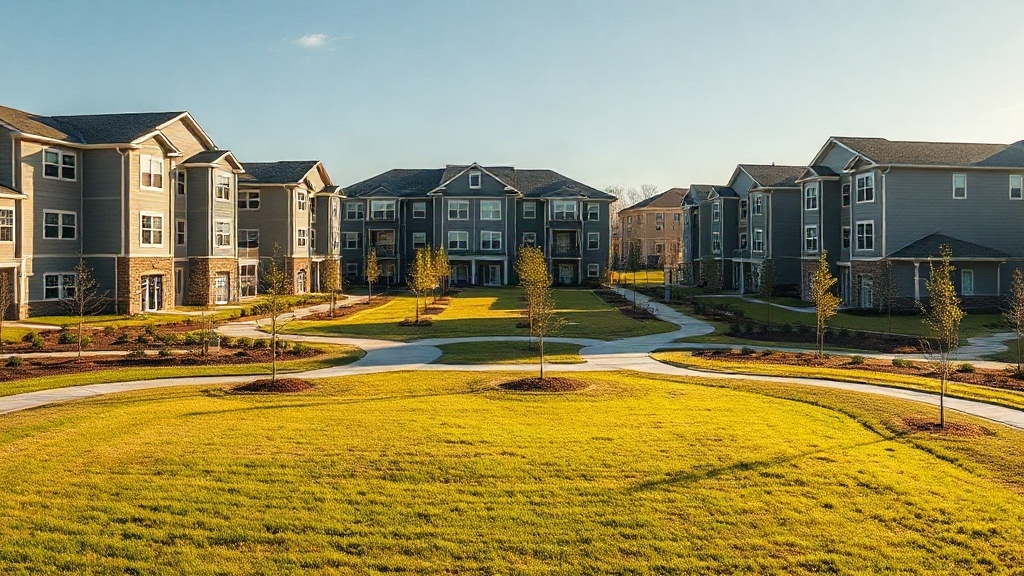
High-end multifamily projects risk over-building. Vacancy rates may rise, concessions increase, and rental growth projections may prove too aggressive.
Single-Family and Condos
Luxury single-family homes and condos in tech suburbs may see slower sales. Pricing discipline will become stricter.
Office and Commercial
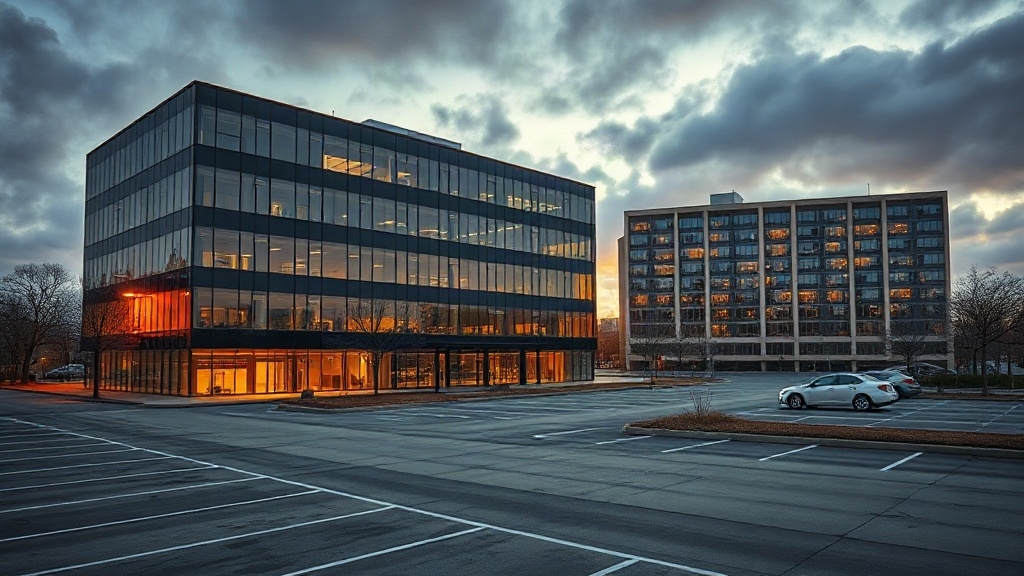
Declines in hiring, especially in tech, reduce demand for office space. If companies reduce in-person presence, commercial leasing weakens and that pressure flows back into housing.
Possible Offsets and Opportunities
Domestic Talent and Local Hiring
Companies may be pushed to hire U.S. workers, which could shift some of the housing demand locally.
More Remote Work
Workers may stay in lower cost-of-living areas. This redistributes demand to secondary markets, smaller cities, and exurbs.
Alternative Immigration Pathways
Some foreign workers may pursue other visas, or defer plans, which changes the profile of demand but does not remove it entirely.
What Investors Should Watch and Do
Key Indicators to Track
-
H-1B visa application numbers
-
Tech company hiring forecasts
-
Rent growth versus vacancy rates in high-rent neighborhoods
-
Migration trends between high-cost and secondary cities
-
Offshoring and remote work developments
Strategic Adjustments
-
Revisit pro forma models in tech-heavy markets.
-
Underweight luxury segments, overweight affordable housing and secondary markets.
-
Explore suburban and exurban areas poised to capture redirected demand.
-
Monitor policy challenges and possible reversals.
Case Study: India and NRI Housing Demand
In Indian tech hubs such as Bengaluru, Hyderabad, Gurugram, and Pune, Non-Resident Indians have driven luxury housing demand through overseas assignments and remittances. The fee hike could reduce relocation plans and remittances, weakening that market too.
Assessment
This policy change could reshape major real estate markets tied to tech employment. For real estate investors, housing demand in tech hubs has long been fueled by foreign skilled immigration.
Removing that pillar of growth could undermine valuations, rent forecasts, and absorption rates in many U.S. cities.
Investors should adjust quickly. Those who reposition toward affordable housing, secondary markets, and adaptable strategies may be best placed to profit from the disruption.

























3 Responses
While I get the concern, maybe this policy shift could level the playing field for local talent? A shake-up isnt always a bad thing, folks.
A sudden policy shift? Really? Its a wake-up call, guys. This could be a blessing in disguise for American workers. Think about it.
Interesting read, but isnt it a bit alarmist? Is this policy shift really a bombshell or just a market correction? Just some food for thought.