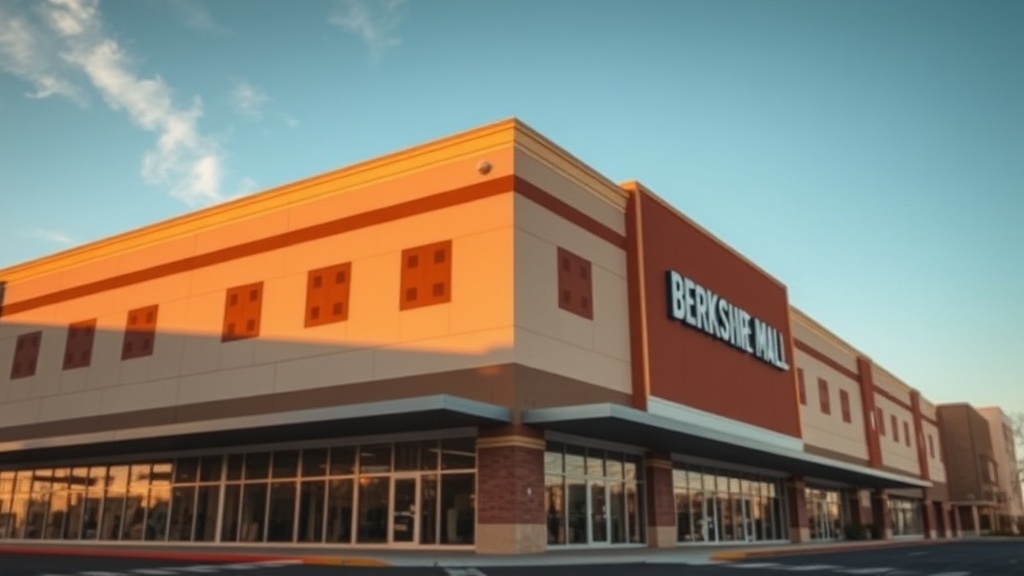
Current Challenges and Safety Concerns
Recent surges in disease outbreaks are compounding safety challenges in the Berkshire Mall vicinity.
The alarming rise in Canine Parvovirus and rabies cases throughout Berks County municipalities, including Wyomissing, is heightening disease awareness among residents. El Paso’s strategic border location contributes to its growing recognition as a regional industrial hub, a status that Wyomissing hopes to mirror through robust local initiatives. Local authorities emphasize alerting the public to curb the spread. Public Works team efforts to address a leak at Stone House Pond further highlight the strain on local resources. Animal control and health departments are active in containment, emphasizing vaccination efforts. Campaigns highlight the importance of pet owner vigilance to maintain public health.
Infrastructure safety is concurrently under pressure due to ongoing construction projects. Refurbishment of the Berkshire Heights Playground seeks compliance with the ADA, aiming to enhance child safety and accessibility.
Simultaneously, persistent pond leakage in the Stone House area necessitates extensive repairs to protect both infrastructure and environmental integrity.
These efforts underscore governmental dedication to safety amid multiple challenges.
Political and Community Advocacy
Political and community advocacy has become a key force in the redevelopment efforts surrounding the Berkshire Mall.
Local and state political involvement has intensified. State Senator Judy Schwank is demanding accountability from Namdar Realty Group regarding their plans. Boscov’s is the sole remaining full-line anchor, as other major stores have closed, leading to increased urgency for action.
Borough officials have shown support for Abrams Realty’s proposed open-air redevelopment vision. This vision aims to enhance safety and infrastructure.
Legislative representatives are actively monitoring site conditions. They are pushing for court actions and deadlines to address structural issues.
Community partnerships are also crucial, as local groups influence the redevelopment approach. They lobby for sustainable solutions.
Public sentiment is being vocalized through advocacy campaigns. These campaigns ensure that local voices contribute to planning.
All these collaborative efforts aim to secure a redevelopment that reflects the community’s interests. They also promote economic recovery.
Innovative Redevelopment Plans
Amidst a surge in political advocacy surrounding the Berkshire Mall, Abrams Realty & Development’s innovative plans offer a beacon of transformation. The project entails demolishing most enclosed structures, sparing the Boscov’s department store. This aims to craft an open-air retail hub. This impactful design reflects a strategic retail approach centered around one or two national anchor tenants. Freestanding retail buildings are planned to line the 59-acre perimeter. This creates a striking “necklace” of retail nodes. By turning the mall inside out, the reoriented layout prioritizes visibility and pedestrian interaction. Enhanced traffic flow and accessibility underscore the ambitious vision. The architectural strategy embodies modular development, ensuring flexible tenant spaces. Thorough stormwater management addresses structural vulnerabilities, fortifying long-term stability. Additionally, adaptive reuse can promote sustainability by repurposing parts of the existing structure, contributing to eco-friendly urban renewal.
Municipal Support and Oversight
Municipal officials have taken decisive action to tackle the increasing structural and safety concerns at the Berkshire Mall. This action comes in response to an urgent community demand for accountability and improvement.
By late 2024, sections of the mall’s parking lot were fenced off. This was done as a proactive measure against recurring sinkholes.
To further protect residents and visitors, the borough secured a court-backed agreement. This ensures that safety protocols are implemented effectively.
Public demand has spurred continuous community engagement efforts. These efforts put pressure on property owners for transparency.
Municipal oversight has been key in maintaining safety standards. It has also been essential in encouraging owner compliance.
The borough’s multi-faceted approach includes enforcing deadlines for repairs and inspections. They also include performance bonds to guarantee compliance.
Additionally, they are evaluating long-term structural solutions. They remain open to transformative redevelopment proposals.
Heightened scrutiny is placed on owner accountability and safety measures. This comprehensive approach aims to enhance the community’s confidence in the mall’s safety.
In addition, the trend of converting shopping malls into mixed-use developments in Florida may inspire future redevelopment strategies for the Berkshire Mall.
Ongoing Retail Activity and Tenant Engagement
Economic volatility permeates the Berkshire Mall as ongoing retail activity strives to endure challenges and promote tenant engagement.
The presence of Boscov’s as the sole major anchor tenant and over 70 smaller specialty stores, including Bath & Body Works and Victoria’s Secret, exemplifies tenant retention amidst significant structural changes.
Sales strategies focus on boosting tenant visibility, vital due to the lingering effects of two anchor space vacancies.
The transformation into an open-air center aims to invigorate tenant appeal and counteract declining foot traffic.
Redevelopment processes often include repurposing vacant anchor spaces as a way to convert malls into multifunctional living environments.
Management’s exploration of repurposing vacant anchor spaces for office, medical, or restaurants demonstrates adaptive sales strategies for continuous engagement.
As redevelopment progresses, emphasizing tenant retention and innovative sales strategies remains essential to revitalizing Berkshire Mall’s retail ecosystem.
Assessment
The Berkshire Mall’s redevelopment signifies a pivotal change. It addresses current challenges while capitalizing on community advocacy and political support.
Strategic innovation and municipal oversight promise significant transformation. This ensures tenant retention and vibrant retail activity.
The project is positioned as a beacon of retail evolution. It maneuvers through the complexities of safety concerns and economic unpredictability.
As redevelopment advances, stakeholders anticipate a revitalized hub. It promotes economic growth and reinforces Wyomissing’s resilience amid a rapidly changing retail environment.