

Office Towers to Housing: A New Era
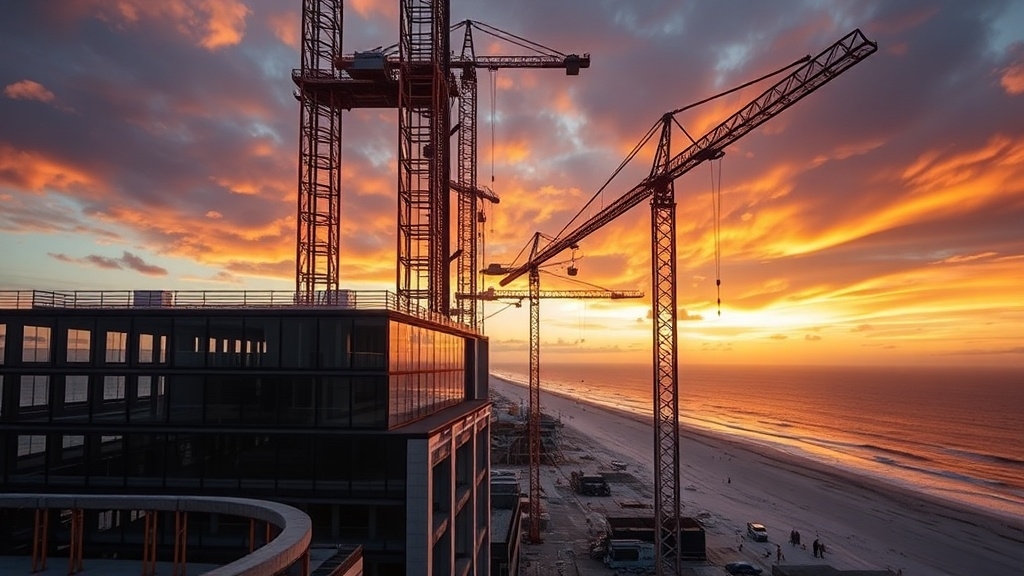
Boston’s skyline is set for transformation as the city begins converting underutilized office towers into housing units. This initiative addresses the post-pandemic economic structural shifts.
The Office to Residential Conversion Program tackles increasing vacancy rates in the office market. It aims to revive downtown’s economy by repurposing office spaces. Effective property management will play a crucial role in maintaining competitive rent to keep the new housing developments occupied and tenants satisfied.
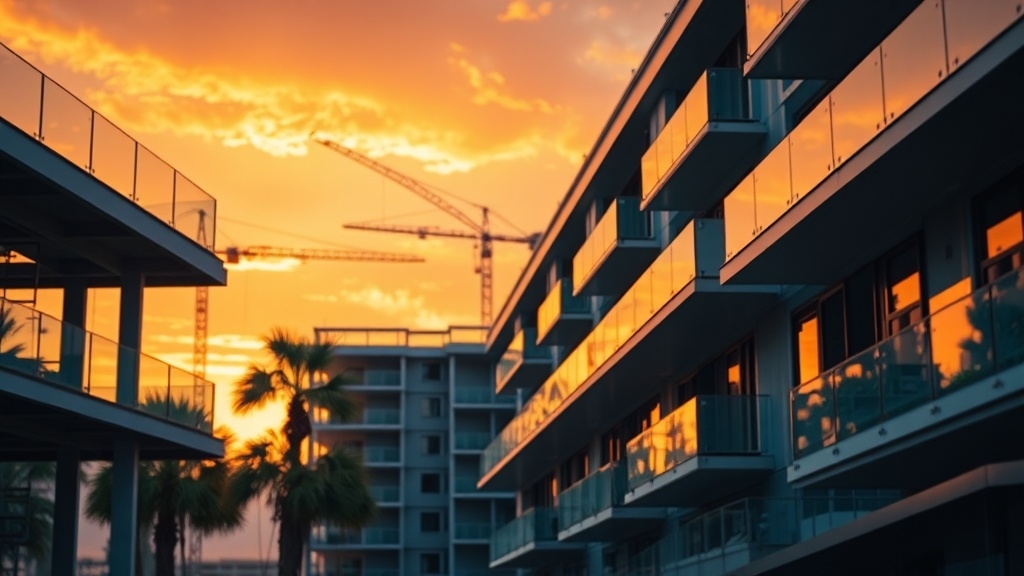
The program will create both general and affordable housing units, filling a significant gap in the city’s accommodation market. This is a step towards mixed-use development.
With 15 applications at City Hall, the conversion of 20 office buildings into nearly 800 residential units is under consideration. This marks a shift towards vibrant mixed-use environments.
Such transformations stabilize the office market by reducing vacancy rates. They also promise economic benefits for the broader downtown area.
The program encourages population influx to the city center, enhancing vitality and economic activity. The state’s commitment is evident, with $15 million allocated to support the initiative.
Developers receive $215,000 for each affordable unit, incentivizing participation. Financial support and tax breaks make conversions attractive even amid high interest rates. A Payment in lieu of taxes (PILOT) agreement offers developers tax abatements, further enhancing the appeal of these conversions.
A timeline is set, requiring developers to secure permits and start construction by the end of 2026. Some projects, like converting 85 Devonshire Street, are already approved.
Transforming office spaces into housing reduces environmental impact, highlighting the program’s sustainability. Dormitory options cater to students and workers, diversifying the housing scene.
City-state partnerships with private developers are crucial for execution. Applications are accepted until the end of 2025, promising strategic collaboration.
This initiative addresses economic challenges and promises enduring benefits. Boston aims to transform its skyline and reshape its urban future, integrating pandemic lessons with strategic development.
Assessment
The transformation of 15 office towers into 762 residential units marks a significant shift in Boston’s real estate environment.
This move addresses housing shortages while adapting to evolving market demands post-pandemic.
As cities reassess their infrastructure needs, Boston’s initiative could serve as a pivotal blueprint for urban centers nationwide.
The implications for investors and developers are profound.
Strategic shifts in real estate portfolios are required to align with this emerging urban trend.
The era of dynamic adaptation is here.


















4 Responses
Interesting idea but what about parking? 762 units and Bostons notorious parking woes, seems like a recipe for disaster!
Interesting move by Boston, but shouldnt we be questioning why so many office towers are empty in the first place? Just a thought.
This is nuts! Ever thought about the noise pollution from those downtown? Living in an office tower? Sounds like a dystopian nightmare.
Ever tried living in the suburbs? Talk about a snoozefest! Id take a lively downtown any day.