

Key Takeaways
- Eviction filings in Boston have soared by 82%, dramatically increasing housing instability.
- Vacancy rates have dropped to 2.7% while average rents have climbed above $3,300, pushing affordable housing out of reach for many residents.
- Investor activity in the courts is intensifying, accelerating the displacement of families as new housing development fails to keep pace.
Rising Instability in Boston’s Housing Sector
Boston’s rental market stands on the edge of disaster.
Eviction filings have erupted by 82%, shattering stability for thousands.
Investors swarm courtrooms, seizing homes with alarming speed, as families scatter in panic.
Vacancy rates plummet to 2.7%, rents surge past $3,300, and affordable housing evaporates overnight.
With new development lagging, the threat of mass displacement intensifies.
The city teeters on the brink—what comes next may shatter all expectations.
Boston Renters Face Crisis as Evictions Surge
A relentless housing crisis grips Boston’s rental market, unleashing terror across the city’s skyline. Vacancy rates have plummeted to a stifling 2.7%, leaving families breathless and desperate, scrambling to secure shelter before the door slams shut.
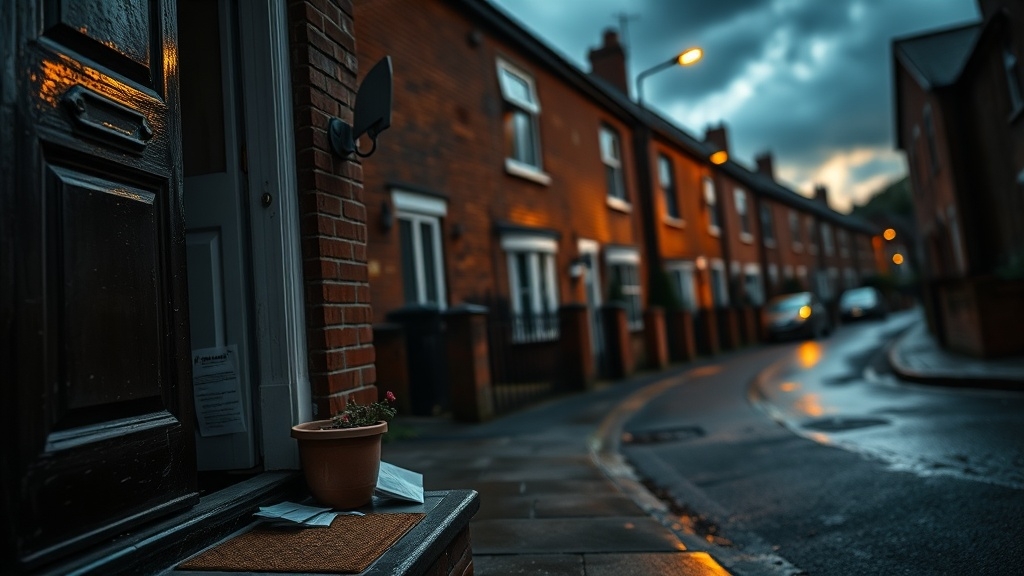
Landlords stalk the hallways of power, as a tidal wave of eviction filings—surging an unnerving 82%—threatens to drown thousands in uncertainty and fear. Streets once symbols of prosperity now echo with the whispers of imminent displacement, while investors prowl courthouse steps, armed with legal filings to seize property from struggling tenants teetering at the edge of disaster.
Rents spiral to nosebleed heights, feeding a panic undiminished by the trickle of available apartments. The average rent hammers down at $3,318 per month in 2025, up 1.62% in the last year alone and nearly 9% over two years. Studios, once a foothold for new residents, now punish wallets at $2,306—10.18% higher than two years before. Rent affordability evaporates under this crushing weight.
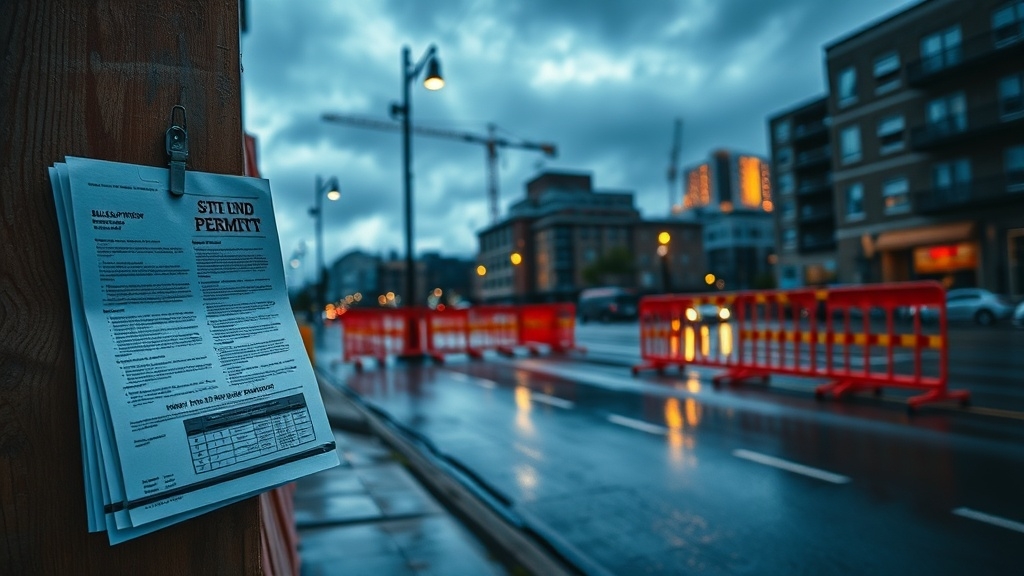
For too many Bostonians, monthly rent devours an ever-increasing share of stagnant incomes, pushing households toward the outermost financial boundaries of survival. Despite headline-grabbing statistics, actual housing relief remains out of reach, as restrictions and declining new housing permits choke off the city’s future supply.
The specter of limited supply looms large. While the city’s apartment availability rate stands at 3.22%, its apparent relief is an illusion. The lion’s share of new inventory erupts not where the need is greatest, but rather in the gilded towers of luxury. These new units, polished and pristine, shun the city’s working families, failing utterly to resolve the crisis gripping Boston’s middle class.
Renters find themselves caught between monstrous prices and a shrinking pool of habitable units. The development pipeline, anemic and congested, projects little hope: inventory might loosen slightly, but vacancy rates will remain tight, drowning any expectation for significant relief.
Market competition reaches a fever pitch. Homes spend just 28 to 35 days on market before vanishing, bought or leased by the deep-pocketed or desperate. For sale inventory stagnates, driving potential buyers into the rental gladiator pit. Price-to-rent ratios soar, crushing the dreams of first-time homebuyers and forcing all income brackets to chase dwindling rental opportunities.
Eviction pressure explodes, reducing stability to a memory. As investors swoop into prime neighborhoods, drawn by the siren call of persistent equity growth and diversified portfolios, the city’s lifeblood—its families, workers, and dreamers—are driven further out, both spatially and economically. The resulting displacement creates a landscape where only the affluent can thrive, while the marginalized are pushed into the outskirts, far from essential services and community ties. This stark reality underscores the urgent need for effective housing policies to combat the los angeles eviction crisis, a situation that threatens the very fabric of urban life. As advocates rally for reform, the question remains: can the city reclaim its soul amidst this tumultuous tide of change?
Experts predict the nightmare will not subside. Rent growth will likely outpace national averages into 2026, tightening the chokehold on rent affordability. Boston’s rental market, beset by unchecked investor activity and an unyielding demand-supply mismatch, teeters on the brink.
In this crucible of hardship, survival is not guaranteed. Instead, a grim reckoning unfolds, witnessed in courtrooms and on crowded city streets, as the struggle for shelter becomes an unending siege with no escape in sight.





















3 Responses
Its chaos out here! Maybe we should just let the market crash and rebuild it anew. High time for a housing revolution, no?
Interesting read but isnt it high time renters became homeowners? Maybe this housing crisis is the push they need. Thoughts?
Interesting read but isnt it about time we discuss rent control to combat these skyrocketing evictions? Just a radical thought.