

Proposed Residential and Commercial Developments
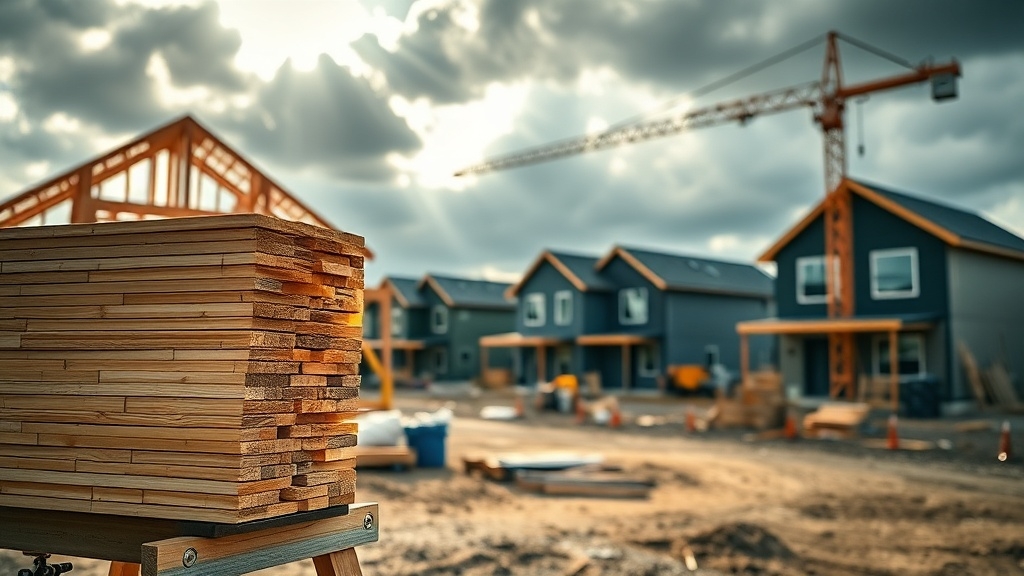
The industrial pulse of Buffalo is set to accelerate with the unveiling of a transformative subdivision plan near the new Bills Stadium. This has sparked intense interest among real estate investors and professionals.
Proposed developments include a combination of single-family homes and multi-family units. This aims to accommodate workforce housing and families drawn by job growth in stadium-related commerce. Once the stadium, financed largely through public funds, is completed, it will shift the local economic landscape, allowing these housing developments to thrive.
The residential zones promise green spaces and pedestrian-friendly layouts. Sustainable construction principles will guide both residential and commercial buildings.
Retail centers and mixed-use structures intend to harness stadium visitor traffic. These developments emphasize locally owned businesses.
Plans include an office park to support local startups. This will expand Buffalo’s economic ecosystem.
Strategically integrative, these developments stand to redefine the area. They ensure long-term economic resilience and vibrant community identity.
Accessibility and Transportation Benefits
Buffalo’s transformative subdivision plan aims to offer a seamless blend of residential and commercial opportunities. It also promises significant boosts in accessibility and transportation.
The area is strategically located near major transportation routes and local roadways, ensuring efficient traffic management. Nearby highways support smooth vehicular flow. The future home of the Buffalo Bills, Highmark Stadium, plays a significant role in shaping the area’s connectivity and logistical considerations, enhancing its appeal and functionality.
The presence of multiple parking lots is key for controlling traffic during events. This enhances the overall traffic management strategy.
Public transit integration offers prospects for expanded shuttle services and improved bus routes. This helps in reducing reliance on private vehicles and alleviating congestion.
Successful implementation will rely on coordination with local authorities. Advanced traffic signals will be crucial for improving event-day traffic flow.
Pedestrian and bicycle accessibility are also prioritized. Dedicated pathways and secure bike parking promote a sustainable transport network.
This encourages walkability and reduces vehicle demand within the new subdivision.
Impact on Local Property Values
Rising property values can transform neighborhoods into lucrative real estate hubs. Around the new Bills stadium, property speculation is expected to drive significant valuation trends. Historically, properties near stadiums appreciate as adjacent developments unfold. This enhances their desirability. In Orchard Park, brokers anticipate this pattern will hold if rezoning eases restrictions. This could allow for higher density projects. Investors are vigilant, predicting notable gains as mixed-use spaces flourish. The precedent in Buffalo suggests that while initial growth is modest, long-term increases often result from consistent urban planning and commercial ventures. Real estate debt funds can provide investors with stable returns amidst these valuation trends, adding an extra layer of security through collateral-backed loans. Tax revenue would likely mirror property value escalations. This could potentially benefit municipal budgets. However, potential displacement and limited stadium use may temper overly optimistic expectations. Balancing development with community needs remains essential.
Community Amenities and Green Spaces
Unveiling a future of development around the new Bills stadium, Orchard Park faces potential impacts on local property values. The town recognizes the critical need for community amenities and green spaces.
Orchard Park pledges a commitment to balanced growth. The town aims to ensure environmental sustainability.
The master plan by LaBella Associates prioritizes community engagement. It integrates trails and recreational zones.
There is an emphasis on corridor connectivity with seamless links between neighborhoods. This includes connections to existing parks like Chestnut Ridge Park.
The Orchard Park Trails Task Force promotes pedestrian and bicycle access. This encourages reduced vehicle dependency.
Public surveys highlight a community desire for accessible green spaces and picnic areas. These are closely tied to urban planning and passive recreation zones.
Green space preservation remains essential. It blends ecological health with community vitality.
Economic Implications for Orchard Park
The economic reverberations surrounding the new Bills stadium in Orchard Park introduce a critical juncture for local economic dynamics.
The construction phase promises to introduce approximately 10,000 union construction jobs. This fortifies job opportunities in the area.
Once operational, the stadium is poised to bolster long-term employment. Game-day and event staff positions will be available.
Complementing this is the anticipated tourism growth. The stadium is projected to attract visitors both domestically and internationally.
This influx of visitors will invigorate local businesses, such as hotels and restaurants. It’s expected to fuel the economic multiplier effect.
Visitor spending will drive additional economic activity.
With the entire project valued at $1.54 billion, Orchard Park stands on the precipice of transformative economic development.
This transformation is marked by enduring regional economic boosts. Additionally, it presents diversified revenue streams.
Assessment
The unveiling of the Buffalo subdivision plan near the new Bills stadium is set to transform Orchard Park. This development offers a blend of residential living, commercial enterprise, and dynamic community spaces.
Enhanced transportation accessibility and strategic development are projected. These improvements aim to elevate property values while promoting economic growth in the region.
As the blueprint unfolds, stakeholders and residents must brace for potential shifts in market dynamics. The evolving environment calls for informed anticipation and strategic positioning.













3 Responses
Seriously, who needs more commercial space? Should have focused on green spaces and community amenities instead. Just my two cents.
Just saying, but wont this new Bills stadium plan just lead to spiking property values, pushing out long-time locals? #gentrification
Am I the only one who thinks this Bills stadium development plan might actually drive down local property values? Just a thought…