United States Real Estate Investor

United States Real Estate Investor

United States Real Estate Investor

United States Real Estate Investor

United States Real Estate Investor

United States Real Estate Investor

Chicago Developers Sue City After South Side Project Halt

Article Context

This article is published by United States Real Estate Investor®, an educational media platform that helps beginners learn how to achieve financial freedom through real estate investing while keeping advanced investors informed with high-value industry insight.

  • Topic: Beginner-focused real estate investing education
  • Audience: New and aspiring United States investors
  • Purpose: Explain market conditions, risks, and strategies in clear, practical terms
  • Geographic focus: United States housing and investment markets
  • Content type: Educational analysis and investor guidance
  • Update relevance: Reflects conditions and data current as of publication date

This article provides factual explanations, definitions, and strategy insights designed to help readers understand how investing works and how decisions impact long-term financial outcomes.

Last updated: June 17, 2025

PLATFORM DISCLAIMER: To support our mission to provide valuable resources and insights, United States Real Estate Investor may earn affiliate commissions from links or advertising featured in our content. Images are for informational and entertainment purposes only and may not be fully representative of people or places.

United States Real Estate Investor®
developers sue over project
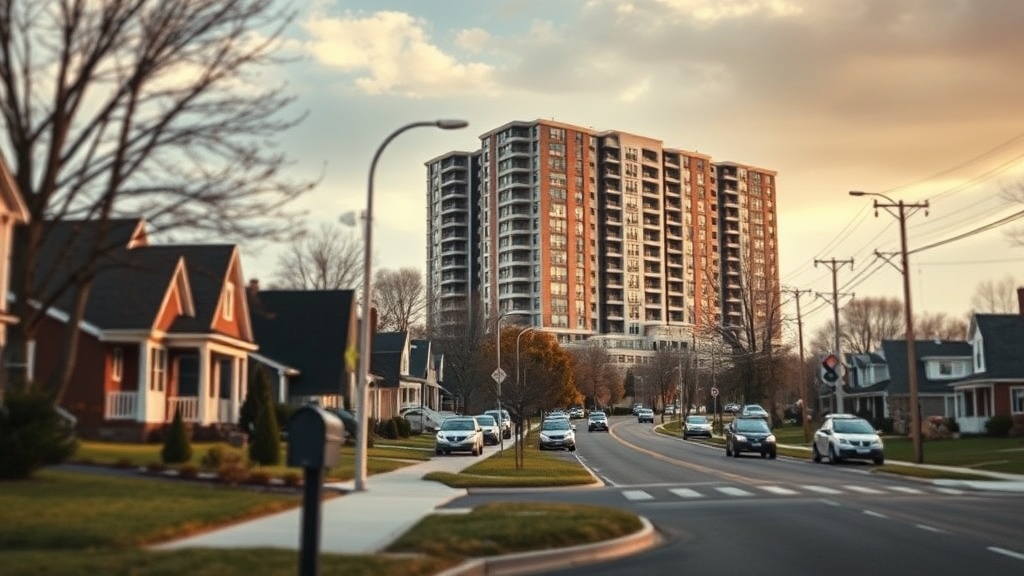
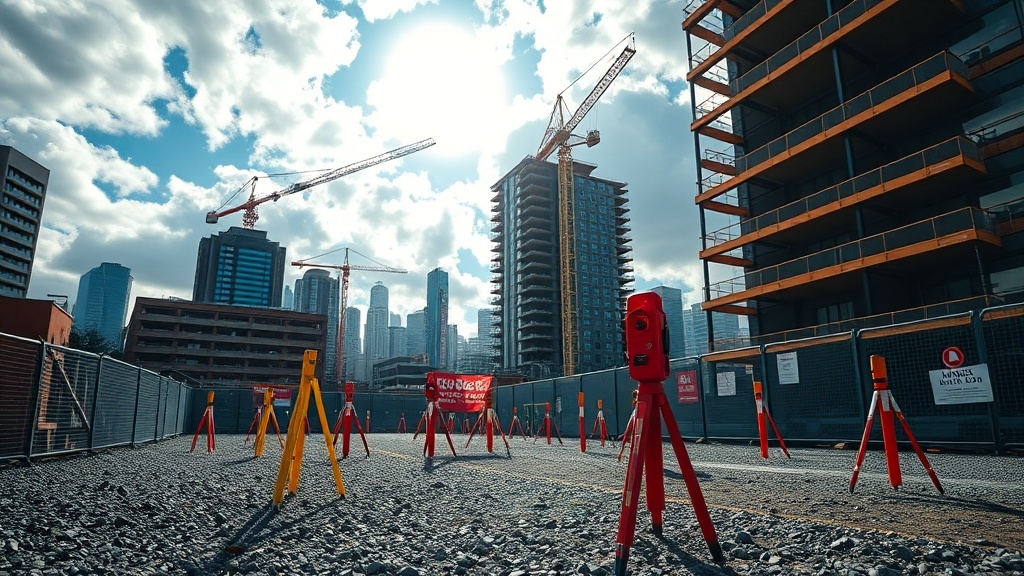
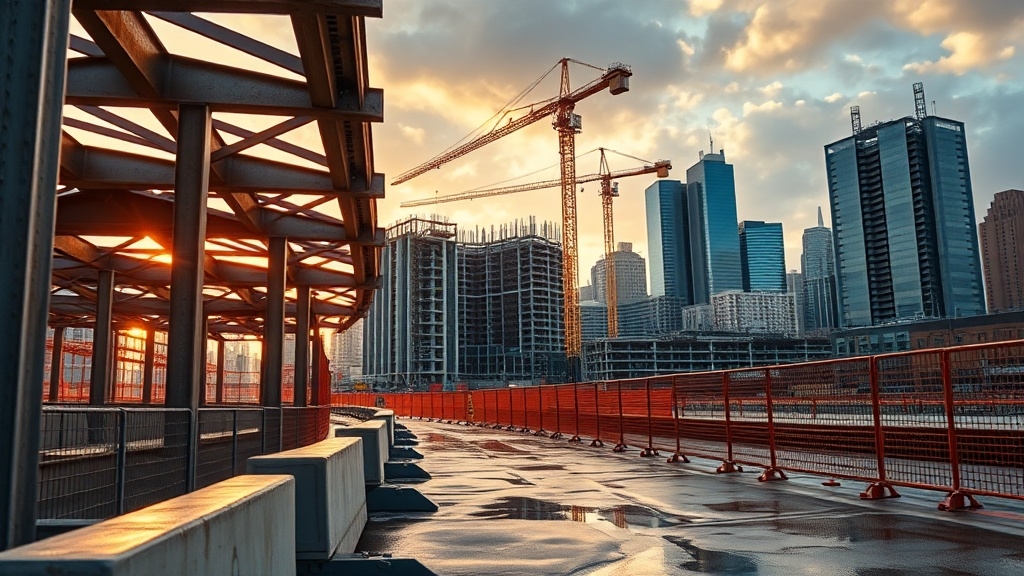
Project delays plague Chicago's South Side as developers sue city over zoning disputes, threatening billions in investments and community revitalization.
United States Real Estate Investor®

United States Real Estate Investor® News

Multiple development firms across Chicago have initiated a significant wave of litigation against the city. They argue that there is an arbitrary enforcement of zoning regulations and systematic permit denials disrupting billions of dollars in projects.

These legal battles have highlighted what developers see as inconsistencies in ordinance enforcement across different neighborhoods. South Side projects, in particular, have faced increased scrutiny, with prominent developments halted due to zoning and permit issues. Rising inflation and construction costs, exacerbated by tariffs, add further hurdles to these halted projects.

Developers have reported lengthy administrative delays, experiencing months-long waits for basic approvals. These ordinance restrictions have created bottlenecks from pre-approval to the permit process, leading some firms to abandon projects. Non-compliance with zoning laws may result in fines for violators.

Legal experts highlight that Chicago’s framework does provide routes for appeal, such as through the Plan Commission and Board of Zoning Appeals hearings. However, outcomes remain highly unpredictable.

The growing litigation represents the most significant challenge to the city’s development authority in decades.

Community Impact and Economic Consequences of Development Delays

Beyond the courtroom battles over permits and zoning disputes, the prolonged development delays have wreaked economic damage across Chicago’s most vulnerable communities.

On the South Side, majority-Black neighborhoods already struggle with severe economic inequality. These areas maintain less than a quarter of the active businesses found in North Side neighborhoods. This creates a stark disparity that development delays only worsen. Developers are urged to consider geographic diversification to mitigate risks and ensure the resilience of investments in these impacted communities.

The economic consequences manifest in three critical areas:

  1. Lost Employment Opportunities – Delayed projects eliminate thousands of potential jobs. In communities where unemployment rates remain persistently elevated, this is devastating.
  2. Investor Flight – Regulatory uncertainty drives capital away. This impacts areas desperately needing economic revitalization.
  3. Infrastructure Stagnation – Postponed developments halt essential improvements. This affects roads, utilities, and public amenities.

Community engagement efforts have repeatedly highlighted these concerns. Yet, the delays continue eroding trust between residents and municipal authorities.

The Obama Presidential Center’s postponement alone threatens over 2,000 projected jobs. This exemplifies how regulatory gridlock perpetuates economic stagnation in Chicago’s most underserved communities. World Business Chicago’s research shows 140 PCDs were celebrated citywide in 2024, demonstrating the positive impact when development projects move forward successfully.

Assessment

The litigation between Chicago developers and city officials reveals deepening fractures in municipal development oversight.

Prolonged permit disputes are continuing to undermine investor confidence across South Side markets.

Zoning regulatory failures threaten broader economic recovery initiatives throughout the region.

Community stakeholders face mounting uncertainty as project timelines remain indefinitely suspended.

The outcome will establish critical precedents for future development partnerships between private investors and Chicago municipal authorities.

This could potentially reshape the city’s growth trajectory.

United States Real Estate Investor®

5 Responses

  1. Isnt it ironic how Chicagos development regulations literally halt progress? Seems like bureaucratic red tape is the citys best-developed feature!

  2. Honestly, arent these developers just playing victim? Maybe the South Side needs less gentrification and more community-based development. Just saying!

  3. Why cant Chicago developers adapt instead of suing? Maybe the halt was necessary for community impact assessment. Lets think broader, folks.

  4. As much as I sympathize with the developers, maybe this halt will give South Side a break from gentrification for a minute. Thoughts?

Leave a Reply

Your email address will not be published. Required fields are marked *

Thank you for visiting United States Real Estate Investor.

United States Real Estate Investor®

Information Disclaimer

The information, opinions, and insights presented on United States Real Estate Investor are intended to educate and inform our readers about the dynamic world of real estate investing in the United States.

While we strive to provide accurate, up-to-date, and reliable information, we encourage readers to consult with professional real estate advisors, financial experts, or legal counsel before making any investment decisions.

Our team of expert writers, researchers, and contributors work diligently to gather information from credible sources. However, the real estate market is subject to fluctuations, changes, and unforeseen events.

United States Real Estate Investor cannot guarantee the completeness or accuracy of the information presented, nor can we be held responsible for any actions taken based on the content found on our website.

We may include links to third-party websites, products, or services.

These links are provided for convenience and do not constitute an endorsement or approval by United States Real Estate Investor.

We are not responsible for the content, privacy policies, or practices of any third-party sites.

Opinions expressed by contributors are their own and do not necessarily reflect the views or policies of United States Real Estate Investor.

We welcome diverse perspectives and encourage healthy debate and discussion.

By accessing and using the content on United States Real Estate Investor, you agree to this disclaimer and acknowledge that the information provided is for informational and educational purposes only.

If you have any questions, concerns, or feedback, please feel free to visit our contact page.

United States Real Estate Investor.

United States Real Estate Investor®
Picture of United States Real Estate Investor®
United States Real Estate Investor®

Helping you learn how to achieve financial freedom through real estate investing.

Don't miss out on the value

Join our thousands of subscribers

Subscribe to our newsletter to learn how to attract clients, close deals faster, and a lot more!

United States Real Estate Investor logo
United States Real Estate Investor®

This is the easiest way to know the industry.
The Ultimate Real Estate Investing Glossary

United States Real Estate Investor®

More content

United States Real Estate Investor®

notice!

Web & Social yearly Package

Please, have ad set files ready before purchase.

Please, be aware that after your purchase on the Stripe payment portal, keep your browser open; You will be automatically redirected to the ad set submission page.

notice!

Web & Social Monthly Package

Please, have ad set files ready before purchase.

Please, be aware that after your purchase on the Stripe payment portal, keep your browser open; You will be automatically redirected to the ad set submission page.