
Hotel Ownership and Renovation History
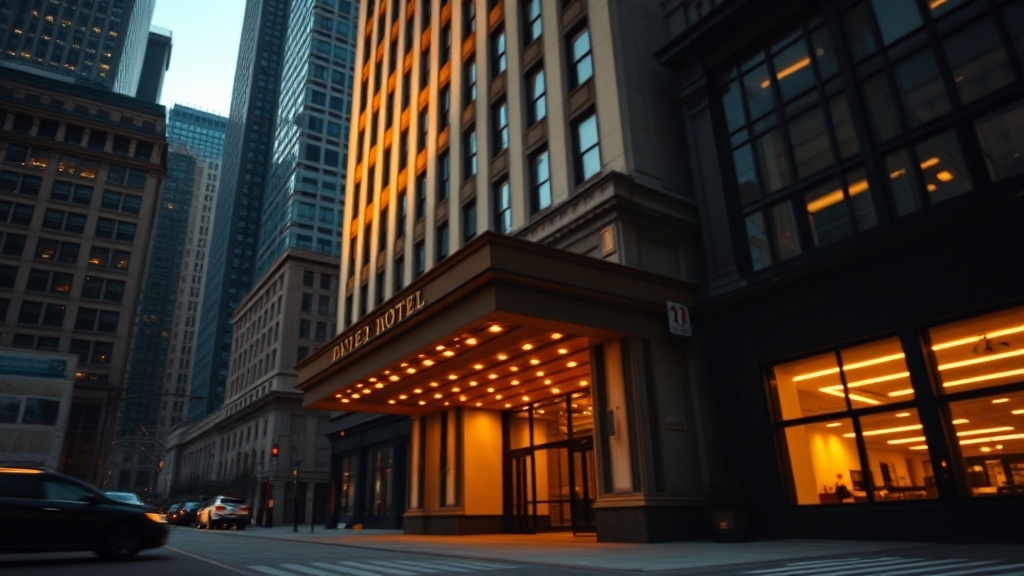
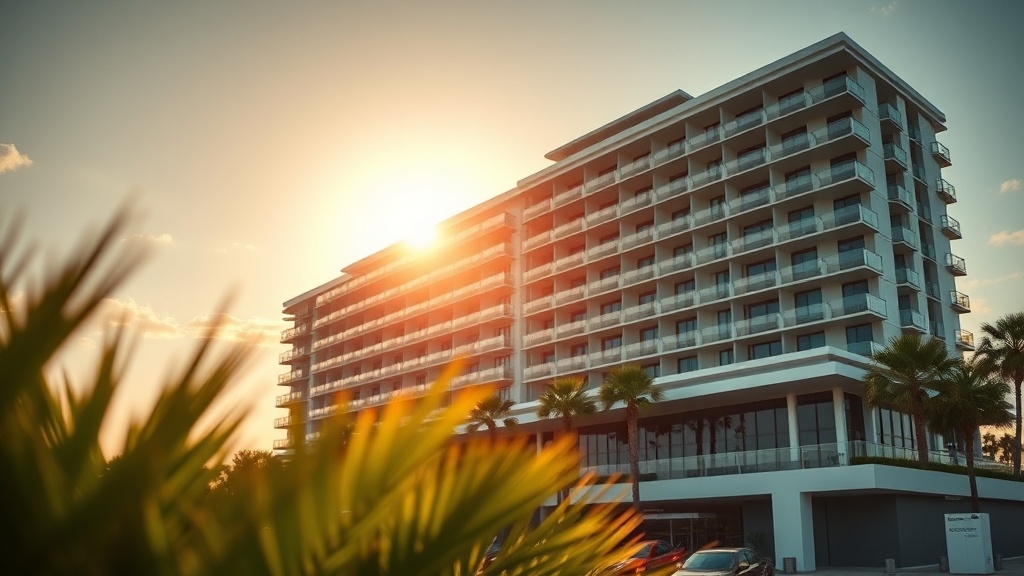
In a turbulent economic environment, the ownership and transformation of the 21c Museum Hotel tell a complex story of aspiration and hardship. The hotel, once known as the James Hotel, underwent a significant change in branding when it became the 21c Museum Hotel Chicago in 2020. Since JRE Partners took ownership in 2018, a $33.5 million renovation was undertaken to add unique museum elements, enhancing its market appeal. However, these renovation efforts faced significant challenges, bringing to light financial vulnerabilities in the hotel industry. Despite JRE Partners’ attempts to increase the property’s mortgage from $67.5 million to $73 million, it confronted serious challenges due to evolving economic conditions and the impact of a pandemic-strained environment. Owners have increasingly struggled across sectors to manage falling valuations, a trend evident in both NYC’s commercial real estate and Chicago’s hotel market. As a result, ownership transferred to ACORE Capital, marking a significant change and highlighting ongoing instability in Chicago’s hotel market.
Transaction Details and Seizure Circumstances
Hawkins Way Capital’s legal issues with the River North hotel at 613 North Wells Street highlight serious challenges in Chicago’s hospitality sector. Sonder, which had a lease until 2028, operated the 60-room property. Unfortunately, they failed to pay rent in early 2025. This nonpayment led to actions from the lender. Hawkins Way Capital sued Sonder to recover nearly $200,000 in overdue rent. They also sought a $4 million judgment for the unfulfilled lease term. The breach of contract spurred significant changes. Sonder announced plans to exit the property as part of financial consolidation efforts. Previously, Hawkins Way Capital had avoided foreclosure on the property through refinancing, showcasing their resilience in maintaining control before the unfortunate events with Sonder. The increase in delisting rates is indicative of a broader market instability affecting various sectors. The lender’s seizure after litigation is part of a rising trend. Lenders are increasingly reclaiming control over troubled assets in Chicago’s lodging market.
Financial Challenges in Chicago’s Hotel Sector
The financial distress in Chicago’s hotel sector reflects larger struggles within the industry.
Rising operating costs and ongoing labor shortages are tightening profit margins substantially.
Insurance costs have increased by over 15%.
Property and maintenance expenses have risen nearly 5%, adding further strain.
Labor pressures are equally daunting, with wages climbing due to shortages and competitive job markets.
Both trends are surpassing revenue growth, affecting operating margins and EBITDA significantly.
Key Metrics
Percentage Increase | Impact
Insurance Expenses | Over 15% | Margin Compression
Maintenance Costs | Nearly 5% | Added Strain
Wage Costs | Rising | Squeeze on Profits
The combination of these escalating costs and staffing challenges highlights persistent financial issues in Chicago’s hotel industry.
Strategic adjustments are essential to navigate these financial strains.
Market Conditions and Refinancing Struggles
Chicago’s hotel market is at a critical juncture, grappling with challenging market conditions. Major properties like the River North Hotel face financial turmoil. Hotels in the region scramble to devise effective refinancing strategies. This is amid a backdrop of low demand and escalating interest rates. These challenges are enhanced by lenders’ hesitance to engage in new office and hotel deals. This further stiffens the refinancing framework. Hotel management teams encounter additional hurdles, with some forced into foreclosure. Ownership shifts have become common. Distressed sales are on the rise, highlighted by the Holiday Inn Express selling for notably less than its past value. Investors are now favoring bargains. High mortgage rates further compound these issues, mirroring the broader housing market turmoil. These factors create a treacherous environment for maintaining profitability. Stability is increasingly harder to achieve.
Implications for the Future of Hospitality in Chicago
As the Chicago hospitality industry navigates an era marked by uncertainty, the future of this vital sector holds both promise and pitfalls. Anticipated historic levels of RevPAR and ADR in 2025 showcase robust hospitality trends, despite fewer large-scale events. The slow yet resilient recovery may be influenced by the hospitality sector’s unique market composition. Investment prospects appear promising, with lenders focusing on renovation rather than new construction. However, rising labor costs and modest demand gains could impact profitability. As conventions regain their pivotal role, hotel demand might stabilize, but challenges like supply-chain disruptions and limited luxury offerings may persist. Notably, the surge in luxury property sales highlights a market trend favoring high-end investments, impacting the overall hospitality dynamics. The strategic balance between maintaining competitive rates and addressing wage pressures will shape Chicago’s hospitality future.
Assessment
The recent lender seizure of the River North hotel highlights the precarious state of Chicago’s hospitality sector. With financial pressures mounting, many establishments face vulnerability to similar fates.
Current market conditions, coupled with refinancing hurdles, create an unstable environment. This challenges hotel owners considerably in their operations.
This development serves as a stark reminder of the ongoing struggles within the industry. It signals potentially significant shifts in Chicago’s hospitality terrain in the near future.
These changes hold wide-reaching implications for investors and stakeholders. The situation calls for close attention as the landscape continues to evolve.













49 Responses
Isnt it bizarre how even prime assets like the River North Hotel cant escape financial woes? Makes you question the overall stability of Chicagos hotel sector, doesnt it?
Perhaps its not the sector, but poor management decisions that are to blame?
Why did the lender seize the Chicago River North Hotel? Is it due to the financial challenges in Chicagos hotel sector or is there more to the story? Could refinancing struggles be the root cause?
Clearly, its a mix of all – financial issues, refinancing woes, and more. Look beyond the surface!
Isnt it a bit odd that the lender swooped in to seize the hotel amidst all these market conditions and financial struggles? Makes you wonder what they know that we dont. 🤔💸🏨
Interesting read! But, wouldnt the seizure of the River North Hotel indicate a deeper crisis in Chicagos hotel industry? Maybe the market conditions are more unforgiving than we think?
Interesting point, but isnt it hasty to generalize one hotels crisis as an industry-wide issue?
Isnt it ironic how the same financial institutions that spurred overdevelopment in Chicagos hotel sector are now seizing properties? The lenders arent the victims, theyre part of the problem!
Interesting read. Question is, with the ongoing struggles in market conditions, will the lender really benefit from this seizure or could it be a financial sinkhole waiting to happen? Just a thought.
Interesting read, but why revert to seizure instead of exploring other financial avenues? I think theres more to this story than just refinancing struggles. Anyone else curious about the behind-the-scenes?
Isnt it alarming how financial struggles are suffocating the hotel sector in Chicago? This seizure is a clear indication. But, are the market conditions solely to blame or poor management also plays a part?
Market conditions, sure. But lets not excuse poor management. The blame isnt one-sided!
So, the lenders just swept in and seized the River North Hotel, huh? Typical. But why arent we addressing the elephant in the room here – the systemic issues plaguing Chicagos hotel sector? Just a thought.
Interesting article. But isnt seizing a hotel in a struggling market a risky move? Whats the lenders strategy here? Are they banking on a post-COVID tourism boom?
Risky, yes. But fortune favors the bold. Theyre betting on a tourism rebound, clearly.
Does anyone else think that the seizure circumstances are a bit shady? I mean, considering the current market conditions, could this just be a backdoor strategy for refinancing? #JustAThought
Maybe youre overthinking? Not everything is a conspiracy theory. #JustAnotherThought
While the seizure circumstances are intriguing, isnt the real story here the overarching financial struggles within Chicagos hotel sector? How are other hotels navigating these market conditions?
Isnt it ironic how this hotel, with its rich historical renovations, ends up seized? Shows how ruthless the market can be. I wonder how much the sectors financial challenges played a role here?
Interesting read. But isnt Chicagos hotel sector a microcosm of wider economic issues? The seizure and refinancing struggles could be indicative of a more profound, systemic problem, no?
Sure, its a microcosm, but lets not exaggerate. Every sector has its own battles.
Interesting read, but isnt the seizure more a reflection of the overall economic climate rather than just the hotel sector in Chicago? What about the impact of online booking platforms?
Economic climate, sure. But dont undervalue the disruptive power of online booking platforms.
While the seizure of the Chicago River North Hotel is concerning, isnt it par for the course given the current market conditions? Surprised we havent seen more hotels face similar fates honestly.
Interesting seizure circumstances indeed! But isnt the real issue here the systemic financial challenges in Chicagos hotel sector? This is more than just one hotels story, folks.
Isnt it ironic how a hotel with such a rich renovation history ends up in the hands of lenders? Perhaps its a reflection of the broader financial challenges plaguing Chicagos hotel sector.
Interesting read! I wonder if the seizure of the River North Hotel indicates a broader trend in the Chicago hotel sector. Does this reflect on the citys overall economic health?
Interesting read. But isnt the seizure of the River North Hotel indicative of the larger financial struggles within Chicagos hotel sector? Perhaps its tied to market conditions and refinancing issues?
Has anyone considered that the hotels renovation history could have contributed to its financial downfall? Maybe the costs outweighed any potential returns due to the market conditions in Chicago? Just a thought.
Doesnt the lender seizure show the systemic issues in Chicagos hotel sector? Its like were ignoring the elephant in the room, the financial challenges these businesses are facing. Just a thought.
Interesting read, but dont you think the lenders seizure of the River North Hotel exposes the underlying fragility in Chicagos hotel sector? Market conditions arent helping either. Thoughts, anyone?
Interesting read. But isnt the seizure reflective of Chicagos larger economic issues? Perhaps the city needs to rethink its approach to the hospitality sector. Thoughts?
Its a rough ride for Chicago hotels, aint it? Seizures, refinancing struggles, and all. Is there any chance these challenges could lead to a market correction in the hotel sector? Just asking.
Isnt it interesting how the history of hotel ownership and renovation can directly impact the current financial situation? The seizure clearly reflects the larger struggles in Chicagos hotel sector.
Interesting read. Wondering if the hotels renovation history played a part in the seizure? Or was it the broader market conditions and financial straits in Chicagos hotel sector?
Interesting read. Anyone else think the ongoing financial challenges in Chicagos hotel sector could lead to a potential market boom once the economy rebounds? Just food for thought.
Considering the hotels renovation history, wouldnt it have been wiser for the lender to wait for market conditions to improve before seizing it? Seems like a rushed decision.
Its quite intriguing how the history of hotel ownership and renovation plays out amidst challenging market conditions. But dont you think lenders seizing properties is a bit harsh?
Interesting seizure situation with the River North hotel. Wondering if this is a sign of the impending doom for Chicagos hotel sector? The market seems brutal for refinancing. Thoughts?
Isnt it ironic that despite the rich history of the Chicago River North Hotel, it succumbs to financial woes? Just goes to show, even the mightiest are not immune from market forces.
Even giants fall. Market forces spare no one, not even the historic Chicago River North Hotel.
Does anyone feel the seizure of the Chicago River North Hotel reflects the wider struggles in the hospitality sector, rather than just the hotels specific financial issues? The market conditions arent exactly favorable.
While the seizure of the River North Hotel is unfortunate, isnt this a reflection of the broader financial struggles in Chicagos hotel sector? Why should we expect a turnaround anytime soon?
While its unfortunate to see hotels like River North facing seizure, isnt it a wake-up call for the sector to reinvent? Perhaps more focus on sustainable practices could attract investors.
Sustainable practices? More like impractical dreams. Its about profit, not saving the world!
Interesting read. But doesnt the seizure of the River North Hotel suggest a deeper problem in Chicagos hospitality sector? Are the market conditions and refinancing struggles common in this area?
Seizures just karma for the owners, right? Maybe if theyd invested more in renovations, they wouldnt be in this mess. Thoughts?
Isnt it ironic how they were renovating, yet got seized? Maybe they shouldve focused on refinancing instead of just aesthetics, huh?
Seems like the Chicago River North Hotel is yet another casualty of poor market conditions. Maybe its time to rethink hotel ownership models?