
Historical Context and Project Timelines
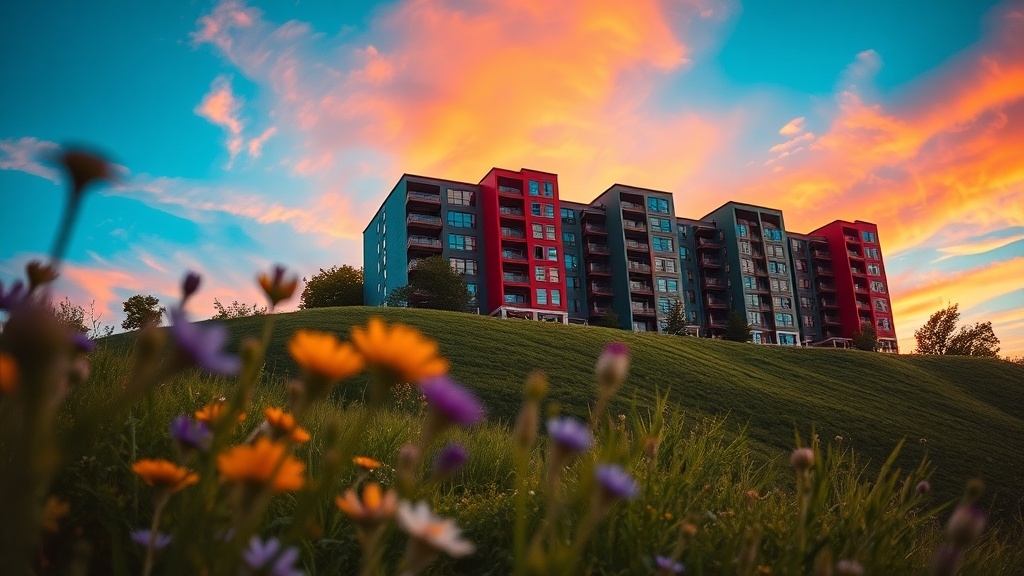
The Cincinnati Hillside Condos pay homage to both architectural and social history. Their origins trace back to 1916. These condos were initially established as safe housing for Black travelers and workers. They hold historical significance as a reflection of early 20th-century segregated housing solutions. The original building was part of the Great Migration, providing a welcoming environment for Black migrants, and Walnut Hills became recognized for real estate opportunities for Black residents. The initial development faced major redevelopment barriers due to outdated zoning and hillside codes. These codes posed substantial challenges to modernization efforts. Pre-2000s redevelopment plans experienced significant stagnation. They endured nearly 25 years of inaction. This delay highlights wider obstacles faced in Cincinnati hillside projects. Challenges include complex engineering requirements and the need for updated safety standards. Today, the influence of rising housing costs is evident in the ongoing push to bring back such historical projects, reflecting broader market trends and challenges. Despite these barriers, local initiatives persistently aimed to rejuvenate the project. Efforts focus on acknowledging the property’s historical value while confronting redevelopment challenges.
Current Development Plans and Challenges
Amid a complex terrain of historical reverence and modern engineering demands, Cincinnati’s Hillside Condos face a transformative journey in their redevelopment plans. The proposed Burnet Quarter redevelopment features multi-family residences alongside affordable housing units. Current plans include 48 units, divided into two four-story buildings near Kemper Lane. Developers focus on implementing stringent development regulations to guarantee safety measures are met. This involves adherence to updated engineering standards to mitigate landslide and erosion risks, imperative for hillside property security. Additionally, approximately 19% of Cincinnati’s area comprises hillsides with slopes of 20% or greater, underscoring the sensitive nature of the terrain involved in this project. The project’s success hinges on balancing zoning approvals while traversing the challenging terrain and coordinating infrastructure connections. Local stakeholders remain vigilant, emphasizing the importance of safe, sustainable design in alignment with precise regulatory parameters.
Preservation Efforts and Community Impact
Preservation efforts in Cincinnati’s historic hillside neighborhoods hold significant weight against the tide of modern development.
The Alexandra building’s inclusion in the National Register of Historic Places since 1997 exemplifies efforts to protect architectural integrity and historical significance.
Renovation projects funded by local and federal grants enhance these communities. They do so by restoring structure and character.
Community engagement is pivotal, with activists advocating for preservation amidst redevelopment pressures. Such efforts have encouraged a sense of collective responsibility toward maintaining the unique architectural heritage of the hillside.
Preservation not only enhances the aesthetic and historical appeal. It also strengthens neighborhood resilience against potential development threats.
Portland’s industrial market in Portland showcases a similar boom as it hits record highs driven by logistics and e-commerce demands.
Maintaining architectural integrity through community collaboration guarantees these historical enclaves remain vibrant partners in Cincinnati’s heritage.
Assessment
The Cincinnati hillside condo project is on the verge of a remarkable transformation. Once a symbol of stagnation, it is now revitalized after a 25-year hiatus.
This development embodies the intersection of historical preservation and modern living. Despite ongoing challenges, the renewed initiative promises significant community impact.
Economic revitalization is a key part of the project’s goals. Its success will depend on careful navigation of development hurdles.
Sustained community engagement is essential as the project progresses. The aim is to pave the way for a brighter future in Cincinnati.





















6 Responses
While I appreciate the revival, isnt there a risk of eroding the historical charm of Cincinnati hillsides with these condos? Just curious.
A 25-year stall and now, suddenly, progress? Feels like profit motives versus preservation. What about the impact on local prices and community culture?
Progress isnt always bad. Change stimulates growth. Concerned about culture? Be part of the solution.
Interesting read but does anybody else think its just gentrification in disguise? What about affordable housing for the locals? #CincinnatiCondoControversy
Anyone else think that these condos might ruin the historical charm of Cincinnatis hillsides? Progress shouldnt trump preservation, just saying!
Not sold on this revival! 25 years and now suddenly its viable? Smells like a quick gentrification scheme to me. #CincyCondos #GentrificationAlert