
Impact of Historic Building Renovations in Erie
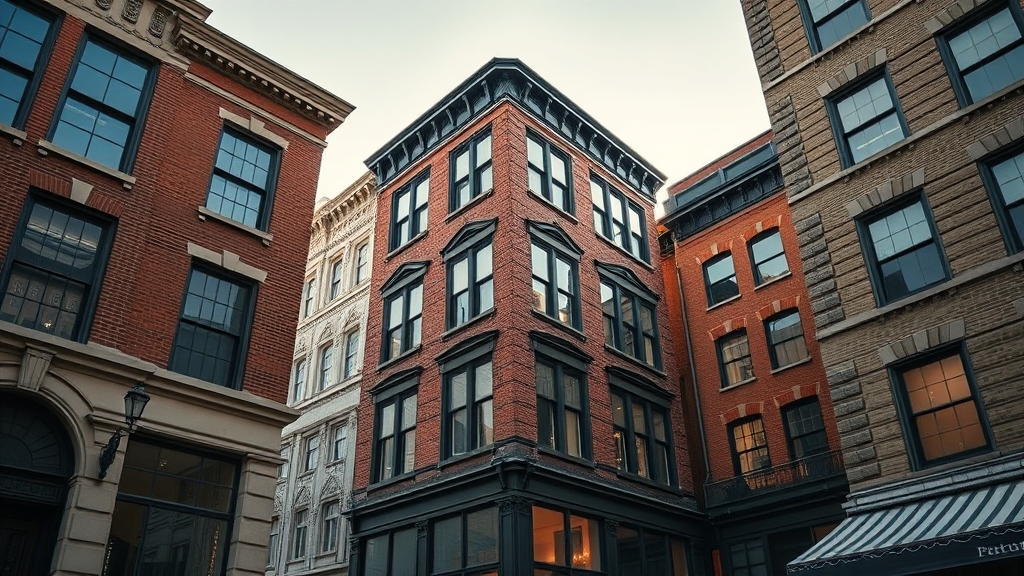
Erie’s historic building renovations highlight both preservation challenges and a significant transformation underway. The city’s efforts in historic preservation, backed by strategic funding and targeted grants, reshape its urban landscape. Projects such as the Erie Art Museum and Presque Isle Light Station demonstrate the commitment to cultural heritage. This happens despite aging structures and financial constraints. Such focus acts as a catalyst for tourism growth, drawing visitors eager to explore Erie’s rich history. By concentrating on key assets, these efforts ensure sustainable investments. This enhances both community identity and economic vitality. Public policy issues, such as safe communities, are also a focus for local leaders working to maintain the security and wellbeing of the region. As historic restorations continue, Erie experiences architectural renewal. This leads to a resurgence in local culture and business activity, boosting Erie’s economic prospects.
Property Value Increases and Tax Implications
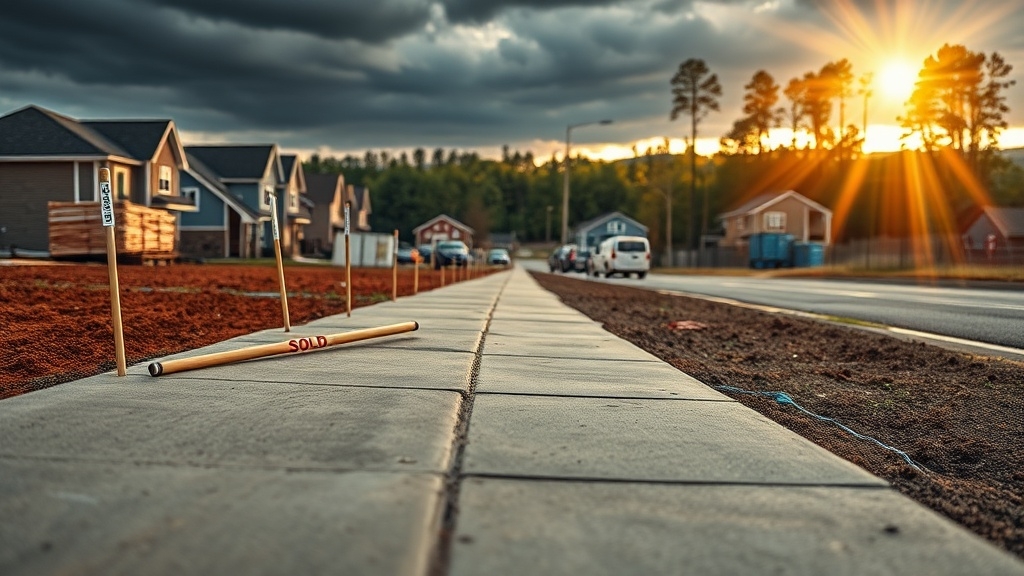
Property values in Erie and its surroundings have significantly escalated, driven by a surge in demand and the relentless pace of gentrification. For example, neighborhoods such as Harborcreek Township witnessed a 12.9% year-over-year property appreciation. Meanwhile, Millcreek Township saw prices increase by 10.4%. This escalation directly affects tax assessments, leading to higher property tax bills. Such rapid appreciation may force local governments to reassess property values more aggressively. Recent changes in methodology for tracking inventory trends, as introduced in September 2022, have improved the accuracy of these assessments. This scenario poses challenges for long-term residents and fixed-income homeowners due to rising financial burdens. Neighborhoods with varied house prices create disparities in tax liabilities. While Erie city homes themselves have jumped 8.7%, Lawrence Park Township saw minimal change. This reflects varied implications for tax assessments. Ultimately, property appreciation intensifies the debate over tax obligations.
Community Engagement and Economic Revitalization
A seismic shift in Erie’s community development strategy has emerged through robust engagement initiatives.
Public participation is central, with multiple hearings designed to incorporate community feedback in planning decisions. The city advertises these hearings expansively to guarantee maximum outreach. Special focus is given to including community input on Community Development Block Grant priorities.
Broad citizen participation follows HUD guidelines, which emphasize transparency. The United Way’s community school model further enhances economic revitalization. This nationally recognized initiative engages families and coordinates resources to combat poverty.
Nonprofit grants up to $50,000 empower local organizations addressing socio-economic challenges. The Redevelopment Authority of Erie strengthens the community through historic preservation and neighborhood improvements.
They offer incentives and rehabilitation programs to bolster these efforts.
Infrastructure Upgrades and Their Role in Economic Development
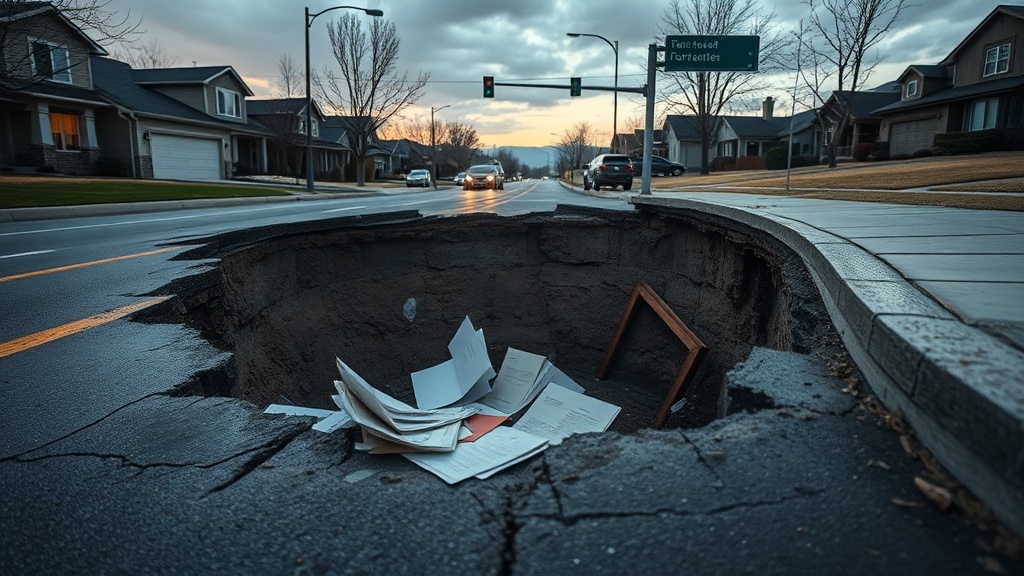
Infrastructure upheaval is reshaping the economic landscape of Erie. This follows strides made in community engagement and revitalization.
Key transportation projects are boosting infrastructure efficiency. They also enhance Erie’s competitive position by promoting economic connectivity.
For instance, road enhancements like the Route 832 project are crucial. They support seamless access to Presque Isle, a vital area for tourism.
Simultaneously, upgrades at Erie VA Medical Center guarantee healthcare sustainability. These upgrades also ensure workforce stability.
These investments are pivotal. They strengthen the region’s economic foundation.
| Project | Description | Economic Role |
|---|---|---|
| Erie County TIP | Pavement and bridge projects | Supports business and connectivity |
| Central Bayfront Parkway | Intersection improvements | Enhances traffic flow |
| Route 832 Corridor | Roadway and access improvements | Stimulates tourism |
| Erie VA Center Upgrades | Medical infrastructure | Supports healthcare services |
| 2025 Road Plan | Road resurfacing | Improves vehicle operation costs |
Enhanced connectivity and efficient infrastructure are key. They underpin Erie’s dynamic economic evolution.
Housing Market Trends and Affordable Living Initiatives
As economic changes ripple through Erie’s infrastructure, the housing market is experiencing significant transformations.
Erie’s housing demand is growing, driving pricing trends upwards.
In mid-2025, Erie County’s median home prices saw a noticeable escalation. Select areas like Harborcreek Township witnessed a +12.9% increase, and Millcreek Township observed a +10.4% rise.
Despite these increases, Erie homes remain relatively affordable, still below the Pennsylvania average of $269K. Faster sales have signaled reduced availability, which emphasizes the challenges of affordable living.
Affordable 1-2 bedroom homes continue to retain appeal, showing price increases of 7.8% to 16.5%.
Birmingham’s affordability attracts, drawing parallels with Erie’s working-class roots and potential for cross-state investments seeking high cash-on-cash returns.
Policy initiatives play a crucial role in balancing rising home values with diverse housing needs.
Even with concerns about market compression in larger 5+ bedroom homes, sustainable growth hinges on strategic affordable housing measures.
Over time, maintaining a demand equilibrium is essential.
Assessment
Erie’s surge in historic building renovations has significantly shifted property values. This change has intensified the local tax debate.
These transformations offer new economic opportunities. However, they also bring higher costs for residents.
Community involvement is essential in shaping Erie’s future. Balancing economic growth with affordable housing and infrastructure enhancements is crucial.
The trends highlight a pivotal point for investors and stakeholders. Erie’s evolving environment requires immediate attention and decisive action.
Navigating these challenges is vital for sustainable community development. Adaptation will determine the success of Erie’s progress.
















3 Responses
Has anyone considered the impact of these renovations on Eries gentrification? Are we only catering to the rich at the cost of local culture?
Is anyone else worried that this Erie renovation boom is just gentrifying the area, pushing out long-term, lower-income residents?
Isnt it ironic that historic renovations are causing a tax debate? Wonder if the same would happen with new developments. Thoughts?