Why More Florida Buyers Are Walking Away From Contracts
As financial pressures and climate threats collide across Florida’s housing market, a growing share of buyers are walking away from signed purchase contracts.
Soaring insurance premiums and doubts about insurance affordability undermine already-strained budgets, often turning preliminary enthusiasm into eleventh-hour retreat.
In this environment, buyers are increasingly scrutinizing properties not just on cost, but on livability and long-term appeal, gravitating toward homes with neutral bases and flexible layouts that can be easily adapted to changing needs.
Elevated HOA fees compound the shock once full ownership costs are revealed during due diligence.
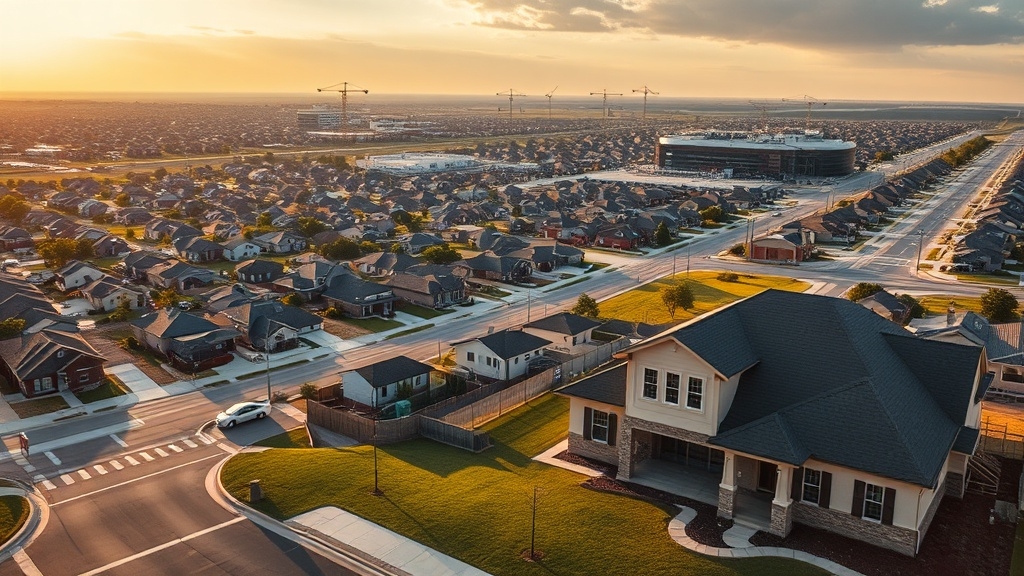
At the same time, aggressive homebuilding has created abundant inventory, subtly eroding seller leverage and bolstering buyer confidence in walking away. Florida metros now rank among the nation’s leaders in contract failures, with nearly one in five deals falling through in major hubs like Orlando, Tampa, and Miami.
High mortgage rates, sticky prices, rising property taxes, and intensifying natural disaster risks leave many households questioning long-term stability more than missing a single deal.
Recent storms and policy shifts reinforce perceptions of fragility embedded in Florida homeownership.
Rising Cancellations: What the Latest Data Reveals Across Key Metros
Surging fallout in Florida’s contract pipeline is now quantifiable, and the numbers are stark.
Nationally, cancellation trends climbed to 14.6% in May 2025 and 15.3% in July, the highest July reading since 2017. With mortgage rates hovering near 6.5% in 2025, affordability pressures are amplifying this wave of cancellations. They then matched a record 15.1% in both August and October.
NAR’s sample, though lower, also rose from 5% to 6%, confirming broad-based slippage.
Florida Metros Lead the National Breakdown
Metro comparisons show Florida at the front edge of the disruption.
Fort Lauderdale posted a 21.3% July cancellation rate, with Jacksonville at 19.9% and Tampa at 19.5%.
All are far above low-cancellation Nassau County, New York, at 5.1%. Some South Florida pockets report roughly 60% of transactions collapsing.
This is occurring in a year when Sun Belt markets dominate national cancellation rankings.
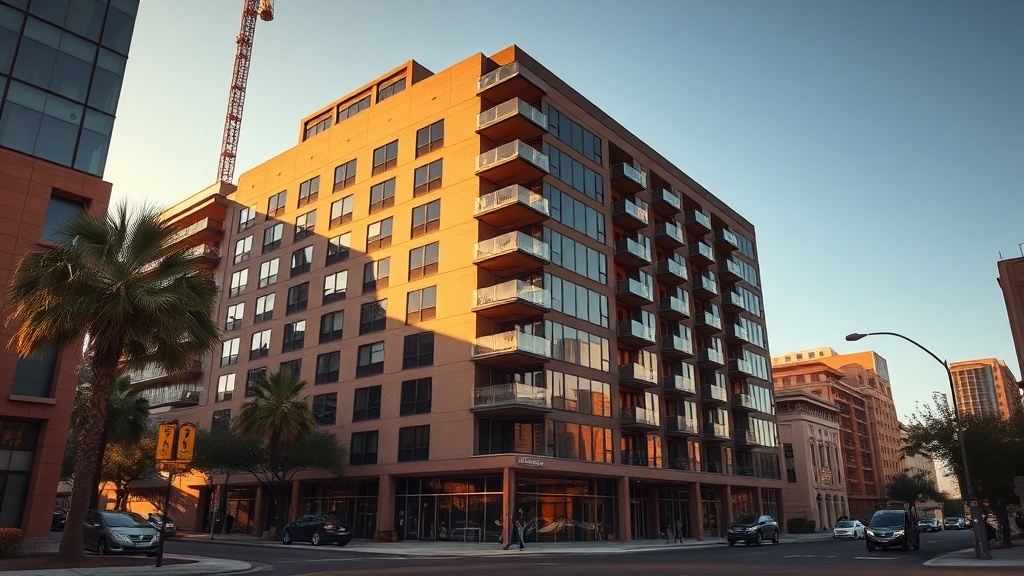
Condo Market Stress: Assessments, Insurance Shocks, and Buyer Fallout
Instability now defines Florida’s condo sector. Escalating assessments, insurance shocks, and fast-rising fees are colliding with a weakening demand base.
Special assessments tied to new structural reserve studies are hitting older buildings hardest. Owners are seeing thousands in unexpected costs stacked on top of already elevated HOA dues.
- Structural crackdowns: Post‑Surfside laws are forcing higher reserves. These changes are triggering special assessments that are pushing many long-time owners to the brink.
- Insurance impact analysis: Building insurance premiums are surging. Mid-tier high-rise fees are now frequently landing in the $800 to $1,500 per month range.
- Condo affordability shifts: Retirees and fixed-income households are retreating from the market. Total carrying costs are outpacing stagnant incomes.
- Buyer fallout accelerates: Demand for 30‑plus‑year-old units is thinning out. Prices have slipped 6–7% in Broward and Palm Beach, and statewide condo sales sit about 25% below 2018–2019 levels versus earlier peaks.
These local stresses mirror the broader U.S. pattern of historic housing unaffordability, where owners now routinely spend well over recommended income shares on housing costs.
Shifting Inventory, Longer Timelines, and the New Negotiation Playbook
Mounting distress in Florida’s condo sector is now spilling over into the broader resale market. Nationally, surging 30-year fixed mortgage rates above 8% are amplifying these dynamics by sidelining financed buyers and squeezing highly leveraged investors.
Swelling inventory and slower deal velocity are reshaping power at the bargaining table.
Months of supply have climbed toward six to seven. This is driven less by new listings than by properties sitting longer.
Active listings near 160,000–200,000 are colliding with rising new‑construction stock. That overlap is intensifying price competition.
Higher‑priced and investor segments are turning over more slowly. Meanwhile, $250,000–$500,000 homes dominate recent transactions, underscoring pivotal inventory trends.
A Harsher Negotiation Playbook
Lengthening days on market and rising fall‑throughs are rewiring buyer negotiations.
Sale‑to‑list ratios slipping near 96 percent, together with more price cuts, are setting the stage for initial offers below ask.
Contracts increasingly hinge on inspections, appraisals, and financing approvals. These contingencies can trigger late‑stage repricing or sudden exits.
What Today’s Walkaways Mean for Buyers, Sellers, and Local Markets
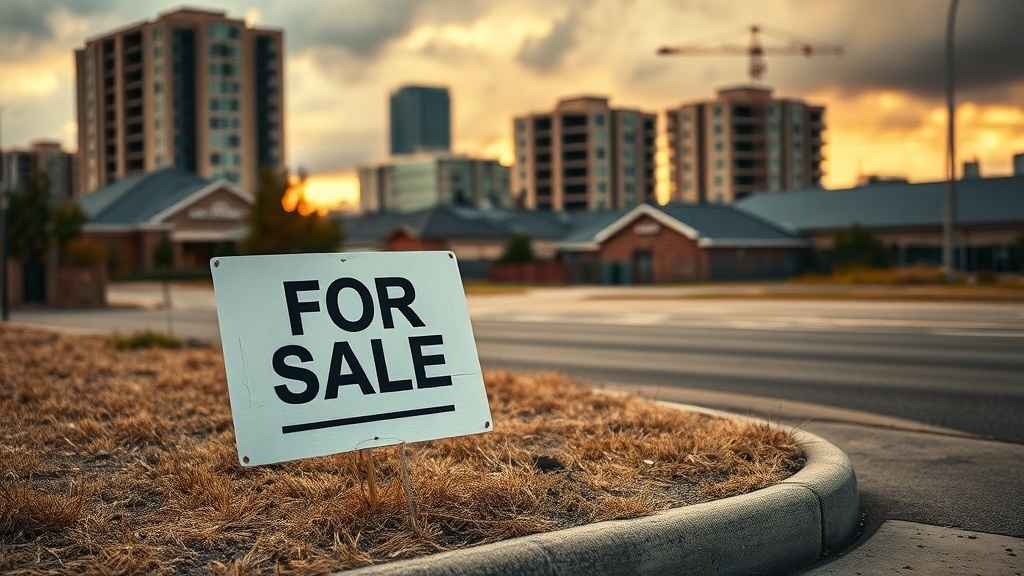
One clear signal of Florida’s shifting housing regime is the sheer volume of buyers now abandoning signed contracts.
Cancellation spikes near 20% in some metros are rewriting buyer sentiment and forcing rapid seller strategy recalibration.
Longer marketing times and rising fall-through risk are reshaping how deals are structured and priced.
1. Buyers wield leverage on price, repairs, and contingencies as inventory accumulates.
Sellers are chasing shrinking demand.
2. Sellers absorb more transaction risk, extending timelines and accepting credits, rate buydowns, or flexible closings.
These concessions are increasingly necessary to keep contracts alive.
3. Vulnerable segments—aging condos and flood‑exposed stock—see steeper discounts and slower absorption.
They’re also experiencing more abrupt listing withdrawals.
4. Markets are drifting apart, with some Florida metros tilting toward buyer-favored conditions.
Others still cling to a fragile, rate-sensitive balance.
Assessment
Florida’s surge in failed contracts signals a structural break, not a brief pause.
Escalating insurance, opaque condo assessments, and rising carrying costs are reshaping risk calculations for buyers and sellers.
Walkaways are exposing inflated pricing, fragile underwriting, and vulnerable association finances.
Days on market are lengthening, concessions are widening, and leverage is shifting by property type and submarket.
Local housing dynamics now hinge on which side adapts faster to this harsher, data-driven negotiation environment.