Impact of Rising Mortgage Rates on Homebuyer Activity
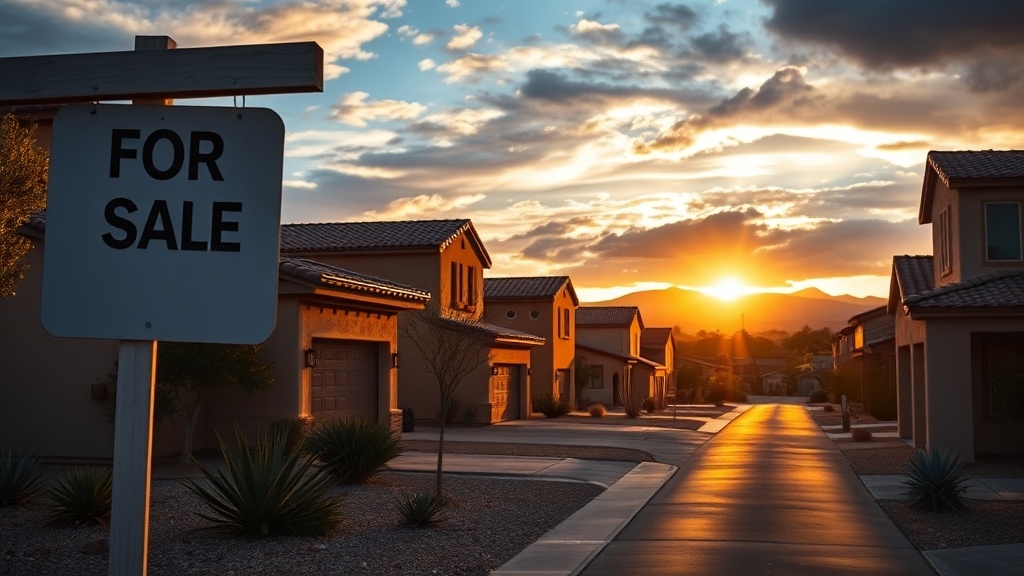
Amid mounting mortgage rates in Florida, potential homebuyers face a whirlwind of financial recalibration. The cost of borrowing continues to trend upward, impacting their purchasing decisions. Higher interest rates have markedly cooled real estate market demand. The shift in buyer behavior has led to prospective purchasers postponing decisions. This results in a discernible reduction in transactions. Recent data shows that new construction buyers are offered incentives to lower mortgage rates, making new homes a more attractive option in some regions. Meanwhile, more than 50% of homes listed remain unsold for over 60 days, exacerbating concerns about market stability. The elevated rates are currently projecting a flat trajectory for single-family home sales into 2025. These trends reflect significant shifts in market dynamics. Even when rates occasionally dip near 6%, the impact on mortgage applications remains minimal. Inventory continues to build as more homeowners list their properties. This is partly driven by the loosening lock-in effect, yet persistent high rates still deter buyer activity. This environment continues to subtly reshape Florida’s real estate dynamics.
Affordability Challenges and Market Adjustments
Soaring mortgage rates are just one aspect of the housing affordability crisis in Florida.
Despite the influx of new units, the state still faces a shortage of 411,000 affordable homes for extremely low-income renters. As more households migrate from populous states like New York, Illinois, and California, the pressure on housing supply intensifies, leading to higher rents. Market trends are prompting shifts in buyer behavior. With rising selling prices, list prices, and inventory, many buyers are opting for smaller markets to find more affordable options. As homeowners grapple with rising insurance premiums and property values, these financial pressures contribute to a challenging investment landscape.
This trend, along with a statewide housing shortage of over 120,000 units, compounds the issue.
| County | Housing Affordability Index | Median Home Price Change |
|---|---|---|
| Collier | 0.85 | -11% |
| Lee | 1.04 | -11% |
| Charlotte | 1.10 | -11% |
Restrictive zoning and high demand continue to exert pressure on the market.
Lender Strategies and Rate Alternatives
As Florida’s mortgage landscape evolves, lenders are devising strategies to navigate the complexities of fluctuating rates and regulatory challenges. Lenders focus on marketing by partnering with real estate influencers, expanding their reach, and improving client engagement. They implement niche campaigns targeting specific buyer groups, such as veterans and luxury buyers. Hyperlocal SEO techniques enhance visibility. To address rate reduction, lenders explore strategies to decrease mortgage rates from 6.3%-6.7%. These include shifting borrowers to DSCR or private loans, offering non-traditional financing options. Innovative lead generation techniques help capture potential buyers. Virtual meetings maintain robust client relationships. Following proper legal procedures in real estate transactions is crucial to ensure legitimacy and compliance with regulations, helping to avoid potential legal disputes and issues. Together, these strategies aim to overcome the current challenges in Florida’s mortgage market.
Assessment
The surge in mortgage rates towards 6 percent has stalled homebuyer momentum in Florida.
As affordability wanes, the market is bracing for significant shifts.
Prospective buyers face increased financial hurdles. This tests their purchasing power and alters homeownership aspirations.
Lenders are actively exploring alternative rate options to retain clientele. Yet, the persistent uncertainty challenges conventional strategies.
As the market grapples with these disruptions, both investors and professionals remain poised. They continue to traverse the evolving terrain of Florida’s real estate.