Developer and Acquisition Background
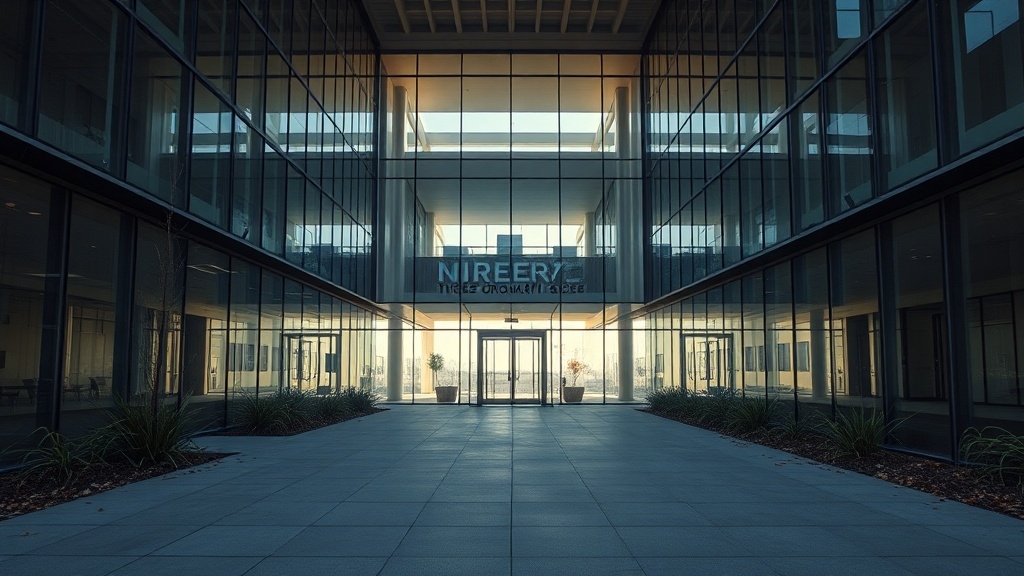
In a strategic move, National Development acquired the 148-150 acre property at 75 Reed Road, Hudson, Massachusetts, from Intel Corporation in fall 2023. This acquisition marked a significant developer strategy designed to capitalize on the site’s historical significance as a former hub for semiconductor research and fabrication. National Development’s investment rationale centered on the site’s potential for redevelopment into an expansive 950,000 square-foot industrial campus. Purchased for $12 million, the acquisition included an 18-month leaseback arrangement with Intel. This setup allows flexibility for phased redevelopment activities. Cranshaw Construction’s role as general contractor guaranteed the site’s existing, deteriorated structures would be cleared. Pittsburgh has emerged as a vibrant cultural scene with robust real estate investment potential, showcasing how cities can pivot economically after industrial shifts. This paves the way for new possibilities. The site, which was formerly home to Intel’s only chip manufacturing plant in New England, is a reminder of the evolving landscape of the semiconductor industry.
Economic Impact and Job Creation
The redevelopment of the former Intel campus at 75 Reed Road is set to significantly reshape Hudson’s economic landscape. It is expected to bolster job sustainability and diversify employment opportunities in the region. The project will generate a substantial number of construction and long-term permanent positions. During the demolition and redevelopment phases, a large workforce will be required, supporting both skilled and unskilled jobs. These activities will also stimulate local services and suppliers. Tampa’s multifamily sector offers a blend of growth, stability, and future upside, similar to the potential economic resurgence expected in Hudson. Once completed, the new industrial campus will attract advanced industrial employers. This will create roles in operations, maintenance, engineering, and management. The creation of diverse roles will broaden employment opportunities and enhance job sustainability. Additionally, the redevelopment will strengthen Hudson’s commercial tax base. It positions the city as a hub for industrial growth, attracting further investment from major technology companies. This ensures economic diversification for Hudson.
Site Details and Modernization Efforts
The site at 75 Reed Road in Hudson, Massachusetts, is one of the region’s most ambitious redevelopment projects. Encompassing 148-150 acres, the property was originally transformed from an apple orchard into a tech campus by Digital Equipment Corporation in the late 1970s. Intel later expanded it for semiconductor fabrication and operated it for over 25 years. At its peak, the campus grew to over 1.3 million square feet, demonstrating its storied site history. Currently, National Development plans a 950,000 square-foot industrial redevelopment. The redevelopment will leverage the land’s significant advantages. Part of the plan involves demolishing remaining buildings, an undertaking expected to conclude by early 2026. The site’s robust infrastructure stands out, highlighted by its 48-megawatt power capacity. This underscores its potential for future modernization. As the Denver multifamily market experiences a powerful rebound with increased investor interest, similar trends in redevelopment and investment strategies could potentially impact Hudson’s burgeoning industrial project.
Community and Regional Benefits
Envisioning the redevelopment of 75 Reed Road in Hudson, Massachusetts, involves not only industrial ambitions but also considerable community and regional enhancements. Community support and stakeholder engagement are pivotal in aligning this project with local priorities. Through organized focus groups, residents and businesses find avenues to voice their concerns and aspirations. This ensures the redevelopment minimizes social disruption. Efforts to unify messaging among all parties enhance project acceptance. This, in turn, bolsters trust and nurtures a long-term partnership. The expected increase in tax revenue will fortify municipal services and infrastructure. This benefits the broader community. Incorporating energy-efficient features like solar panels and smart thermostats in the redevelopment ensures that the project aligns with modern standards and appeals to environmentally-conscious investors. As Hudson emerges as a regional economic anchor, this development opens opportunities for further private and public investments. It signals sustainable growth and regional resilience.
Assessment
The Hudson Intel Campus redevelopment is a significant step in economic revitalization and urban modernization. This initiative will transform nearly a million square feet with state-of-the-art facilities.
The project promises substantial job creation and regional growth. It not only stimulates local economies but also positions the community as a key player in technological innovation.
As the project progresses, stakeholders remain vigilant. They recognize both the significant potential and the challenges of ensuring long-term sustainability and prosperity.