
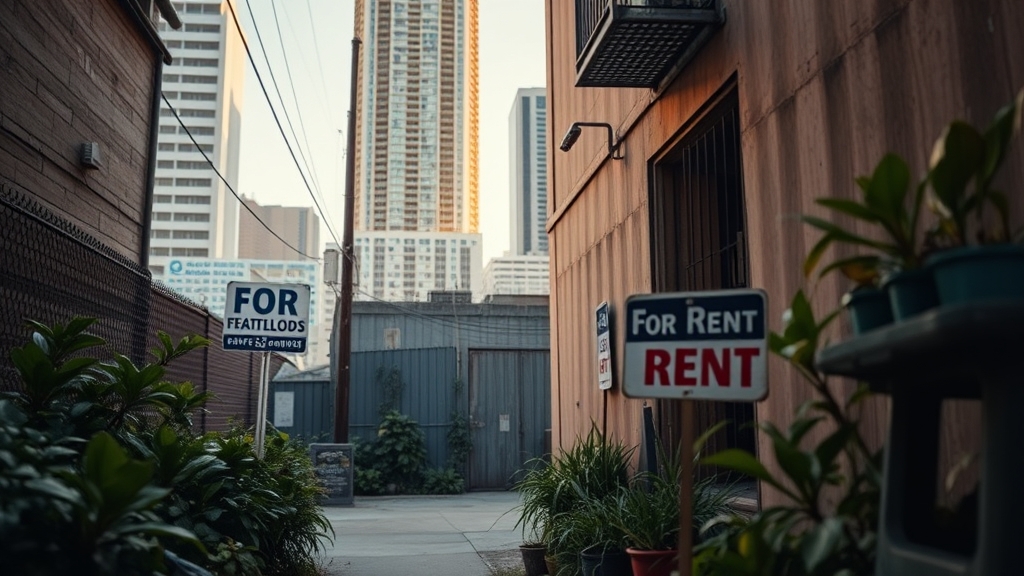
Understanding the Proposed Rent Caps in Los Angeles
Los Angeles is grappling with housing pressures. A key proposal aims to cap rent increases, balancing tenant protection with property owner rights.
Starting in 2025, rent hikes are limited. Annual increases cannot exceed 60% of the Consumer Price Index change, or a 3% maximum.
This regulation is designed to protect tenants, especially in multifamily buildings built before 1995. The Rent Stabilization and Tenant Protection Ordinance will govern the enforcement of these rules to ensure fair practices across applicable properties.
In unincorporated areas, smaller landlords can increase rent by up to 4%. This offers some flexibility while still safeguarding tenants.
Los Angeles extends these protections to include allowances for utility costs.
Informed by inflation trends, these caps aim to curb rent hikes. They represent an effort to promote housing stability.
Landlord Concerns and Financial Impacts
Landlords in Los Angeles are bracing for an economic shift as new rent caps are set to take effect in January 2025. Rent increases will be limited to a maximum of 3% under these new policies. Landlords express concerns over their financial sustainability. Rising costs such as insurance, utilities, and maintenance continue to exert financial pressure on property owners, making it challenging to maintain profitability. The cap may hinder their ability to cover rising costs like insurance and maintenance. This poses a challenge for tenant retention efforts. The property insurance challenges faced by Florida real estate markets serve as a cautionary tale, highlighting the significant impact of premium surges on property owners’ financial stability. With potentially reduced cash flow, landlords may struggle with the upkeep and modernization of properties. This could eventually lead to asset deterioration. Tenant retention becomes critical to offsetting capped rents. However, maintaining property standards with strained income remains a complex challenge. Decreased profitability threatens to deter future investment. Landlords are weighing the viability of sustaining operations under restrictive revenue growth conditions.
Legal and Regulatory Considerations
The intricate legal and regulatory framework surrounding rent caps in Los Angeles presents significant challenges. Landlords must navigate through compliance carefully. Local ordinances, such as the City of Los Angeles Rent Stabilization Ordinance, set specific rules. These mandates apply to rents on properties built before October 1, 1978. Landlords face limits from both city and county regulations. Multifamily properties in unincorporated Los Angeles County have distinct caps that must be adhered to. Statewide restrictions further complicate compliance, especially during emergencies. California limits rent hikes to 10% above pre-emergency levels during such times. Landlords must carefully follow compiled notices and procedural requirements. The overlapping frameworks require meticulous attention to detail. The Los Angeles Housing Department and the County Board of Supervisors offer crucial updates. These updates guide landlords through the complex regulation processes.
Possible Future Developments and Challenges
A pressing concern emerges: the delicate balance between expanding rent control measures and maintaining economic viability for landlords in Los Angeles.
Proposed rent caps limit annual growth, constraining landlord revenue and intensifying economic pressures.
Housing scarcity becomes a looming threat. Reduced incentives impede investment in rental properties.
Landlords face challenges due to pandemic-era constraints and rising operational expenses.
Potential quality degradation risks impacting tenant retention are significant as landlords struggle with maintenance costs.
Rising HOA fees across the nation are creating additional financial strain on landlords and property investors, further complicating the already challenging rental market dynamics.
The stakes grow as policy uncertainty influences rental market stability.
Landlords, caught in an intricate dance of compliance and financial strategy, may pivot to alternative revenue models.
Tenant retention hinges on strategic landlord relations, imperative under the new economic environment.
The path forward is fraught with complications, demanding adaptive strategies.
Assessment
The proposed rent caps in Los Angeles are setting the stage for a potential showdown between policymakers and property owners.
While intended to address housing affordability, the measures face staunch opposition from landlords concerned about financial viability and property value erosion.
Legal battles may emerge as stakeholders scrutinize regulatory frameworks.
The outcome of this contentious issue could have far-reaching implications for the city’s housing market.
It will shape the future environment for both renters and investors.
The stakes are undeniably high.























4 Responses
Why not cap landlords profits instead? Its their greed causing this mess. Legalities seem a smokescreen to protect their pockets! Just my 2 cents…
Interesting read but arent rent caps just a Band-Aid solution? Isnt the real problem the lack of affordable housing in LA?
A Band-Aid solution is better than bleeding out. Rent caps provide immediate relief.
Is anyone considering the landlords? Rent caps could cripple their income and force them to sell off properties. What then? #UnpopularOpinion