

Strategic Location and Design Integration
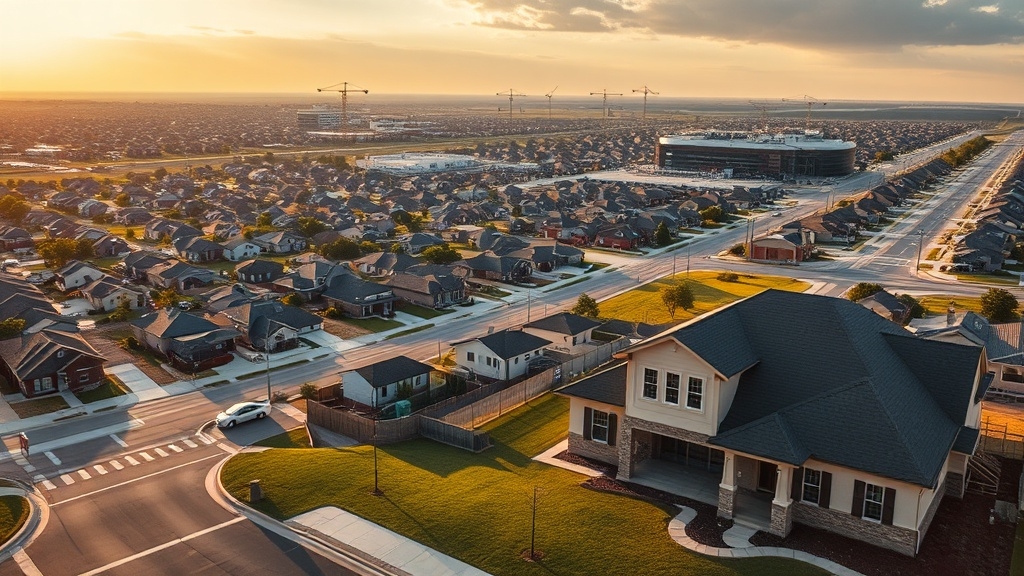
Mesa, Arizona, emerges as a pivotal player in the East Valley’s industrial resurgence. The city features a strategically positioned 11.6-acre project, located just miles from Phoenix.
This location is enhanced by remarkable transportation accessibility. It is situated close to major corridors like the Loop 202 Freeway, which improves connectivity to Phoenix, California, and Mexico.
Development synergy can also be observed as Mesa nestles within the bustling Elliot Tech corridor. This has led to significant industrial growth fueled by tech giants like Meta and Apple.
The project’s location taps into an expansive local workforce. This boosts both industrial and commercial possibilities.
Integration with regional infrastructure, including proximity to electrical hubs and major highways, provides foundational support. This area not only benefits from a robust local workforce but also aligns with Eastmark’s complete offerings that include residential, commercial, and industrial spaces, making it a cornerstone for future developments. Such strategic placement allows for ambitious industrial undertakings.
These characteristics echo Mesa’s alignment with regional economic and technological progression. They underpin an era of accelerated growth and collaboration.
Architectural Features and Residential Focus
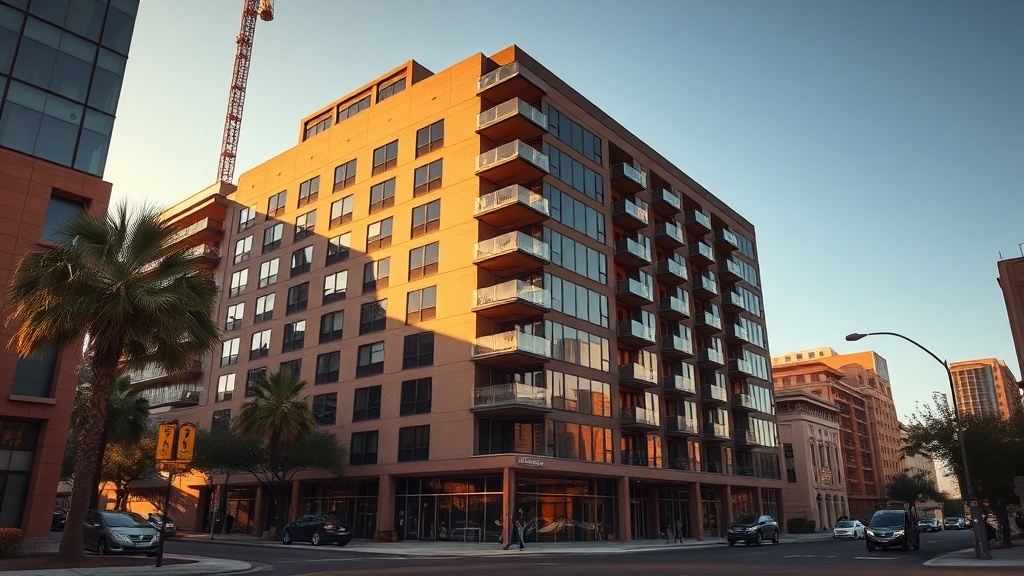
In a setting where Mesa’s burgeoning industrial terrain meets strategic infrastructure, an architectural vision emerges. This vision pays homage to its local roots. The project draws inspiration from historic pigeon lofts. It celebrates community identity through a modern farmhouse aesthetic. Brick and board & batten elements resonate with the native land use. Facade articulation mirrors established neighborhood structures. Distinct design features are mandated per parcel. This ensures visual diversity and cohesion. The amenity design enhances residential experiences. It offers over 19,000 square feet of both private and common open spaces. Functionality combines with aesthetics through shade canopies. These canopies elevate comfort and the visual appeal of outdoor spaces. Deploying tokenized real estate could allow for greater investment flexibility within this development, aligning with contemporary trends in urban planning. Additional planned amenities include a pool, dog park, and barbecue area. These features foster a strong sense of community and connectivity. With the Lofts at 121, the development team aims to provide essential residential options in a transit corridor, bolstering Mesa’s urban planning efforts.
Mixed-Use Elements and Urban Revitalization
Amid the interconnected fibers of development strategy and urban renewal, mixed-use elements assert a powerful influence. Fostering urban revitalization, these developments harmonize commercial dynamics with residential life. Projects like Mesa’s Legacy Park exemplify this. They spark economic synergy through diverse components such as retail and dining. Anchor tenants serve as essential conduits for boosting local employment and consumer activity. The presence of dedicated spaces for community engagement, such as outdoor restaurants, enhances social interaction. In downtown Mesa, mixed-use initiatives are pivotal in its resurgence. They transform it into a lively urban core. The integration of multifamily units with bustling commerce cultivates vibrant neighborhoods. Collectively, these elements restore vitality. They support Mesa’s long-term sustainability and underscore its potential as a thriving hub. By applying the power of delegation in project management, these developments can achieve holistic success, balancing urban growth with community well-being.
Infrastructure Planning and Connectivity
Infrastructure serves as the backbone of Mesa’s ambitious urban renewal efforts. It facilitates the synchronization of residences, businesses, and emerging data center campuses.
Crucial to this development is the utility collaboration with Salt River Project (SRP). This ensures that Mesa’s data centers receive reliable, affordable electricity essential for new and upcoming hyperscale facilities.
SRP’s involvement underscores its pivotal role in energy delivery. Additionally, it plays a critical part in water conservation efforts that sustain data-driven operations.
Simultaneously, significant transportation enhancements are underway. These improvements manage the connectivity demands posed by increasing construction traffic and operational needs.
Proximity to Phoenix-Mesa Gateway Airport and major highways bolsters logistic and commuting efficiencies. This seamless integration of components supports Mesa’s growing position as a major data center hub.
It optimizes network interconnections and utility infrastructure, ensuring smooth operations.
Challenges in Development and Future Outlook
In early 2020, initial construction delays were compounded by the pandemic, which significantly hindered progress. The financial stability of the project was further jeopardized when The Grid at Mesa LLC declared bankruptcy in 2024. This led to court intervention with a trustee being appointed. Additionally, community engagement poses another challenge. Residents are resistant to high-density zoning, which they feel threatens local character and infrastructure. This opposition has resulted in mandatory revisions and delays. Persistently high mortgage rates continue to impact real estate projects, exacerbating financial and development challenges as they inhibit homeownership and increase rental demand.
Assessment
The Mesa 11.6-acre project stands as a pivotal development with significant implications for urban revitalization. Its strategic location and integration of mixed-use elements promise enhanced connectivity and vibrant community life.
Architectural innovation and residential focus aim to address growing urban demands. However, challenges in infrastructure and development logistics must be managed.
As the project unfolds, its success will hinge on balancing visionary design with practical execution. This initiative could set a precedent for future urban developments.
















5 Responses
11.6 acres, really? If theyre pushing so hard, why not integrate more green space? Urban revitalization needs nature too, right?
Green space isnt their priority. Profit is. Urban revitalization is a facade.
So, were just ignoring the potential traffic nightmare this 11.6 acre project will cause in Mesa? What about the local environment impact?
Is it just me or does this Mesa 11.6 project scream gentrification? What about the current residents interests and the potential socio-economic impacts?
Interesting read, but isnt the urban revitalization focus overshadowing the potential traffic congestion issue? Just food for thought, folks!