Stakeholder Concerns and Economic Implications
Miami-Dade County officials are increasingly alarmed over potential disruptions at PortMiami due to a proposed condo development. Concerns are mounting as the $180 million lot, crucial for regional economic stability, becomes entangled in legal disputes. Commissioner Raquel Regalado has referred to this issue as an “existential crisis.” The fuel depot site, considered essential for port operations, is central to these concerns, as replacing it without disrupting PortMiami’s function presents a significant challenge. The ongoing housing and affordability issues reflect a broader pattern of regional economic uncertainty affecting key counties and highlight systemic vulnerabilities in the market. The dispute threatens community safety with fears of losing emergency ferry access to Fisher Island, a vital lifeline in emergencies. Endless litigation is not only affecting property values but is also damaging the perception of a stable and safe community. PortMiami is a critical pillar for South Florida’s economy. Disruptions could impact thousands of jobs and billions in economic output, highlighting the urgency for a prompt resolution.
Development Plans and Financial Backing
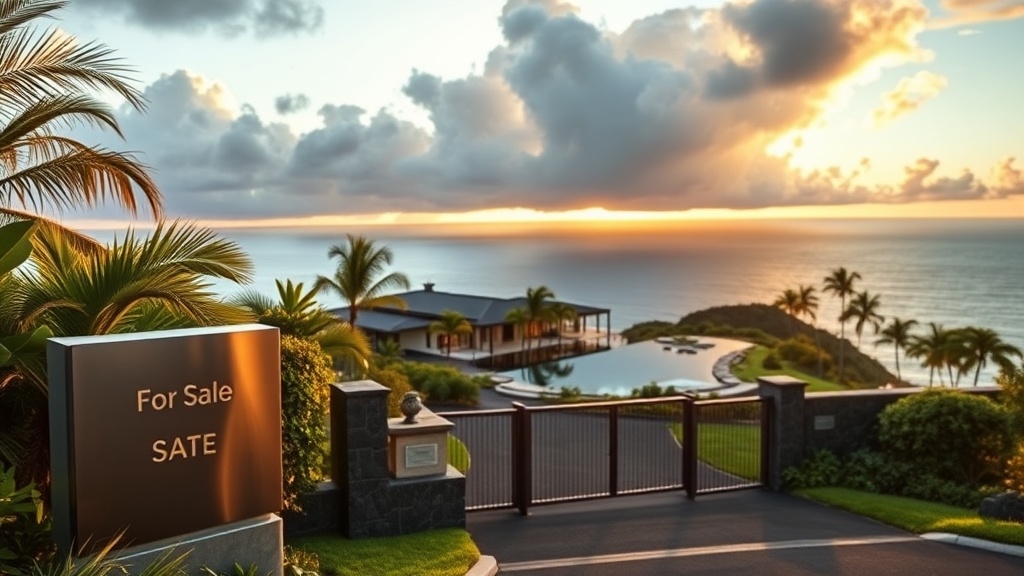
Unveiling ambitious plans that promise to reshape the prestigious scenery of Fisher Island, the development of Six Fisher Island stands as a defining moment for Miami’s real estate future.
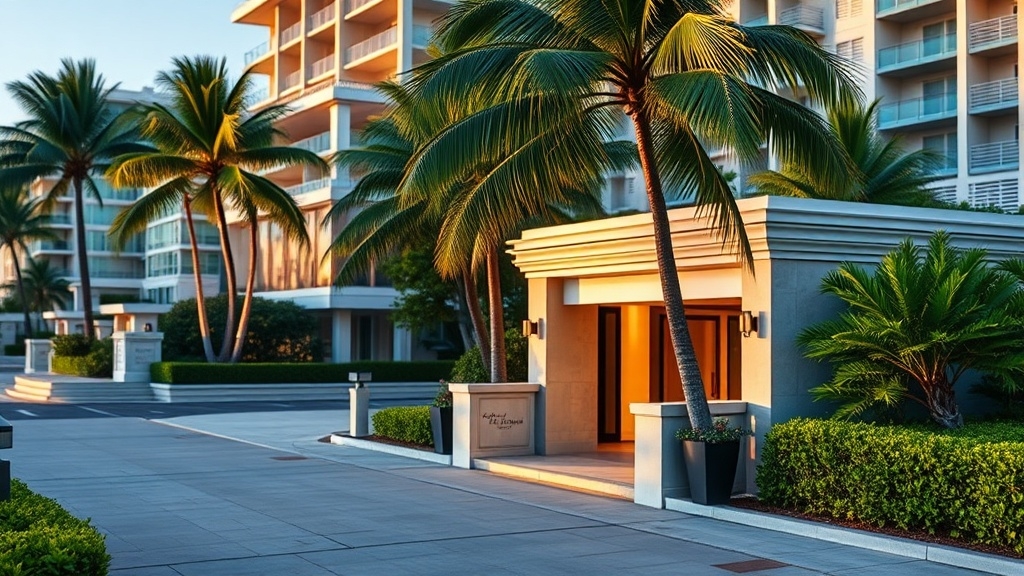
Positioned within the luxury market, this ultra-luxury condominium project encompasses 50 lavish units on a 6.5-acre site, incorporating Miami’s tropical elegance. As seen in Los Angeles, energy-efficient homes are becoming increasingly important, and similar trends are expected to influence developments in Miami.
The joint venture by Related Group, BH Group, Teddy Sagi, and Wanxiang America exemplifies innovative investment strategies.
The 6 Fisher Island site acquisition at $122.6 million signifies their strategic vision. The groundbreaking for the Residences at Six Fisher Island took place on September 12, 2024, marking the commencement of this exclusive development.
Regular units priced from $30 million and penthouses surpassing $60 million cater exclusively to the ultra-wealthy.
The anticipated $2 billion sell-out value highlights the development’s elite market positioning and potential financial returns.
Completion is projected for 2026.
Legal Pathways and Dispute Resolution
Miami-Dade Circuit Court Judge Michael Hanzman issued a decisive ruling. He dismissed a lawsuit aimed at voiding the settlement agreement regarding the Fisher Island condo development.
This resolution emphasizes the legal pathways of finality in litigation strategies. It underscores the significance of binding settlement agreements to protect property values and community standing.
The dismissal marks an end to plaintiffs Thomas Lauria, Jeff Horowitz, and George Perlman’s attempts. They had sought to disrupt the construction plans.
Judge Hanzman underscored the protracted legal battle’s detrimental effect. He articulated the critical need to conclude the disputes.
The settlement terms approved between Fisher Island Holdings and the Fisher Island Community Association included a $2.5 million payment.
This marks the conclusion of the legal tussle.
Environmental Challenges and Site Remediation
Judge Hanzman’s ruling brings legal closure to the Fisher Island condo feud.
Yet, developers now face imminent environmental challenges. Contamination risks are heightened by the 700,000-barrel fuel depot sustaining Miami’s port. Developers must tackle potential soil and groundwater contamination issues.
Implementing effective remediation strategies is daunting. The coastal location of the property also raises flood risks.
Inadequate infrastructure aggravates these risks during storms. Developers need to synchronize remediation efforts with regulatory bodies.
Compliance with zoning and environmental regulations is crucial. Addressing climate change dynamics is also essential.
Developers must integrate flood mitigation and sustainable infrastructure. These adaptations are necessary for future safety and resilience.
Ensuring alignment with residential and environmental needs is key. This will help keep communities safe and environmentally friendly.
Assessment
The escalating dispute over Fisher Island’s $180M lot signifies deeper complexities within Miami’s real estate sector. This situation challenges existing legal frameworks and financial norms.
The conflict underscores broader issues of urban development and environmental stewardship. It also highlights the high-stakes nature of investment in prime locations.
Resolving the conflict is crucial to prevent further economic and reputational impacts on stakeholders. This urgency compels all parties to navigate through environmental and legal pathways swiftly.
This scenario highlights the delicate balance required between lucrative development and ecological responsibility. It serves as a reminder of the intricate interactions between real estate ambitions and sustainability.