
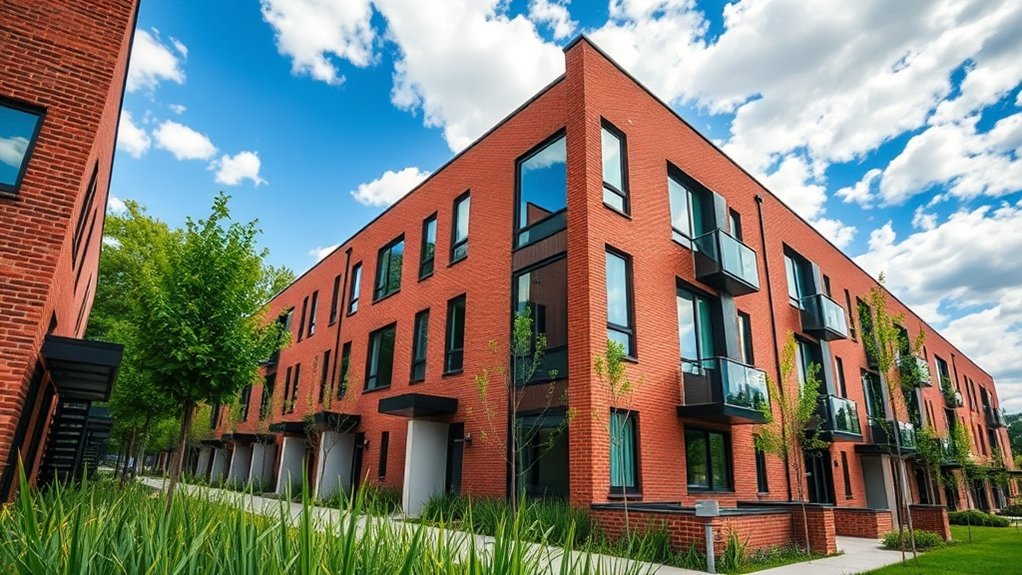
Community Concerns and Impact
The Norwood Council’s refusal of the townhome project plan was expected by some and reflects deep-seated community concerns. Many are worried about increased traffic congestion and the potential loss of the neighborhood’s character. Residents have voiced anxiety about the impact higher-density housing might have on their community’s identity. There is notable apprehension about gentrification, which could threaten housing accessibility for diverse income groups. Optimism regarding recent funds allocated for open space has been expressed, aligning with residents’ desires to ensure development respects Norwood’s character. While the removal of decaying apartments is seen as positive by some, there remains cautiousness about future developments. There is a strong desire for these developments to include adequate community input. The ongoing dialogue emphasizes the need for transparent, inclusive planning. Residents are calling for new housing to effectively address local affordability issues. Balancing market demands with preserving Norwood’s unique character and affordability remains a central concern for the community. The council’s decision strongly resonates with a community eager to have a say in its development.
Infrastructure Challenges and City Planning
Amid mounting challenges, the City of Norwood faces significant infrastructure hurdles as it prepares for potential townhome developments. Limited budget allocations curb extensive infrastructure investments needed to support townhome projects. Improvements must focus on accessibility. Aligning with broader city planning goals and community preservation efforts is critical. Site evaluations highlight specific issues. Inadequate parking and circulation adjacent to development sites intensify congestion risks. Water, sewage, and storm drainage capacity are strained. This poses risks of service disruptions. Sidewalks and pedestrian pathways around projects are required. Enhancements in this area are crucial for mobility and safety. Traffic impact along local streets must be managed. This is essential to prevent bottlenecks and guarantee efficient vehicle flow. Additionally, ensuring compliance with seismic retrofit laws is essential to maintaining property resilience against earthquakes. The city’s strategic infrastructure planning must address these factors. Effective accommodation of future developments depends on this.
Legal and Regulatory Hurdles
Fear and uncertainty ripple through Norwood as its townhome project faces formidable legal and regulatory hurdles. Eminent domain battles cast a shadow, with residents contesting claims justifying private redevelopment. Ohio courts demand stringent oversight to prevent property seizures purely for private gain, aligning with constitutional safeguards. Recently, the Ohio Supreme Court ruled that Norwood’s use of eminent domain was unconstitutional, impacting the landscape of property rights in the area. Legal compliance emerges as a battleground, with zoning regulations posing significant obstacles. The challenges faced by Norwood mirror those encountered in 1031 exchange defers capital gains taxes, where strict rules must be adhered to for successful outcomes. Norwood’s zoning ordinances, designed to maintain neighborhood character, restrict high-density developments. Historical preservation advocates further influence land use policies. They emphasize the need for consistency with community goals. Compliance with state and local zoning laws remains essential. This enforcement ensures conformity to designated land use categories. Public hearings and community input are critical checkpoints, ensuring regulatory alignment. These steps must be taken before the project’s progression.
Economic Implications and Funding
The economic implications of Norwood’s townhome project are multifaceted and crucial. Financial strain on municipal budgets contrasts with the prospect of an expanded residential tax base.
Diverse funding sources are necessary. Stakeholders must weigh rising public service costs, which are estimated between $4,500 and $6,500 annually per unit.
There’s potential for growth in property taxes, expanding the town’s long-term revenue framework. Economic incentives, like abatements, could be used to stimulate private investment.
Reallocation of municipal funding is another concern. Funds previously secured from parks bonds and hotel taxes add to the uncertainty.
Balancing funding sources and economic incentives is essential to ensure project viability. It’s crucial to avoid overburdening taxpayers while doing so.
Past urban projects have shown the importance of meticulous planning in mixed-use developments. In recent events, increased regulatory oversight has become critical in combating fraudulent activities in the real estate sector.
Assessment
The proposed townhome project in Norwood faces an uncertain future despite its potential benefits. Objections have been raised about infrastructural capacity and city planning misalignments.
Additional concerns include legal compliance issues. These multifaceted challenges require strategic dialogue and negotiation among stakeholders.
The decision to block the development holds far-reaching economic implications. It could potentially alter future investment in Norwood’s real estate environment.
The council’s move highlights the complex interplay between urban growth and community preservation. Successfully addressing these challenges could pave the way for sustainable development in the area.























3 Responses
Blocking the townhome project?! Norwood Council, are we promoting stagnation over progress? What about economic growth and affordable housing? #NorwoodNeedsChange
I reckon the Norwood councils block is a quick fix. Always about legal hurdles & not about the community. Whos addressing our housing crisis, eh?
Though I get the community concerns, arent we just stunting economic growth and affordable housing with this block? Just my two cents.