

Key Takeaways
- 25 Water Street is now the largest office-to-residential conversion project in U.S. history, transforming Lower Manhattan’s landscape.
- The project replaces much of the original architectural character with modern glass and steel, introducing over 1,300 new apartments.
- The conversion raises concerns about the preservation of New York’s financial heritage amid significant urban change.
Transforming Manhattan: The Rise of Residential Towers
Lower Manhattan trembles as 25 Water Street, steps from the iconic Brooklyn Bridge, sets a record as the largest office-to-residential conversion in U.S. history.
Once a Wall Street stronghold, the building’s red brick face is vanishing, replaced by soaring glass and steel, while over 1,300 new apartments rise in its shadow.
Storms, economic upheaval, and the relentless pace of luxury have cracked open historic DNA, risking erasure of New York’s financial legacy.
What are the stakes and hidden challenges behind the gleaming facade?
The Rise of 25 Water: Transformation and Tension
A storm is brewing in Lower Manhattan’s Financial District, where 25 Water Street is transforming faster than the shadows cast by the Brooklyn Bridge at dusk.
Tectonic shifts in the streets below Wall Street signal a new era, one that shakes the foundation of urban transformation and historic preservation.
The building, once known as 4 New York Plaza, loomed for decades as a pillar of financial might, its brick-clad façade a stubborn witness to every turmoil from Wall Street crashes to the surging floodwaters of Hurricane Sandy.
Now, 25 Water Street faces demolition not of structure, but of legacy—its previous life as a digital fortress for Manufacturers Hanover Trust Company, then a stronghold for the New York Daily News and JPMorgan Chase, is vanishing beneath a tidal wave of redevelopment.
Ceilings once sheltering financial deal-making now give way to over 1,300 residential units, an unprecedented scale for office-to-residential conversion in American history.
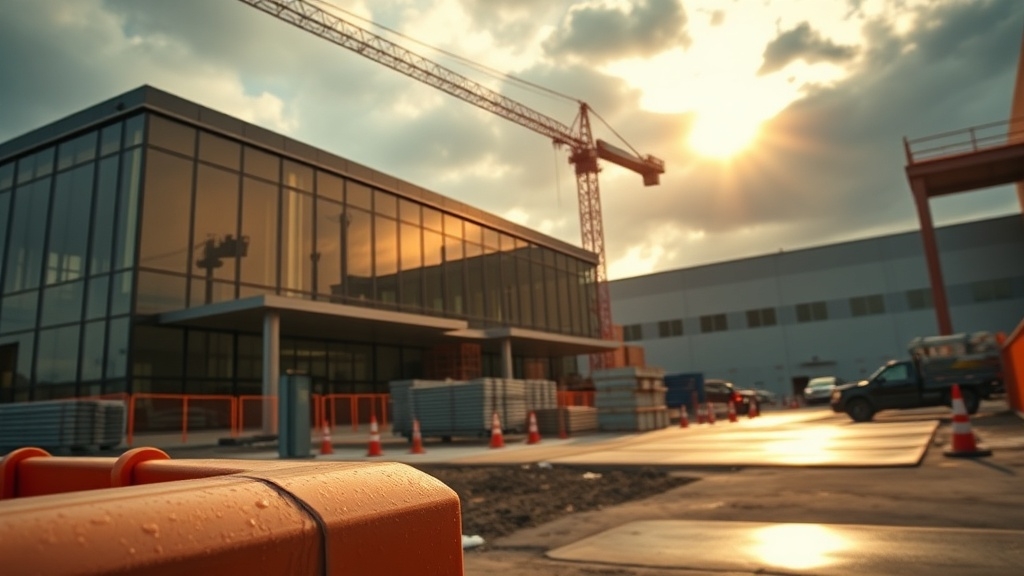
Across all thirty-two stories, the newly installed large window wall replaces the original, narrow fenestration, signaling a modern shift in lighting and design.
Across 32 stories, the old red brick is lost to a new white skin while the original, narrow windows are cut open for expansive walls of glass.
Ten additional steel-framed stories rise above, reshaping the skyline seen from Battery Park.
CetraRuddy’s architectural touch tries to thread the needle between respecting echoes of the old and meeting today’s urban standards, but questions about true historic preservation haunt the corridors.
Can a building still tell its story when every window and brick has been rewritten?
Economic and physical risks loom—failure to adapt could mean doom for similar properties, and the urgency of securing investment in this urban transformation is unmistakable.
Investors sense opportunity, but undercurrents of dread ripple along South Street Seaport and through neighboring towers wary of what change brings.
Amenities promise a lifestyle of ease and exclusivity: coworking spaces for tomorrow’s dealmakers, rooftop lounges overlooking the East River, basketball courts, sauna and steam rooms—all stacked within a 100,000-square-foot cascade of leisure.
Concrete and steel strive to shelter dreams from the next hurricane’s wrath.
A portion of these units is cordoned for affordable housing, but the specter of demand outpacing supply lingers.
The 25 Water Street project rides New York State’s 467-m tax breaks, capturing a key role in addressing the city’s relentless housing crisis, yet the specter of insufficient support for vulnerable populations is impossible to ignore.
By repurposing a massive commercial relic, developers GFP Real Estate, Metro Loft Management, and Rockwood Capital ignite an urgent debate:
Can Lower Manhattan pivot toward housing without erasing its past?
The aftermath of Hurricane Sandy, with floods submerging entire lobbies and data centers, forced major tenants to flee and left the building teetering on irrelevance.
Abandonment haunted the stone canyons near the Staten Island Ferry, raising the specter of empty towers and wasted land.
Now, with leasing set to begin, the clock is ticking for real estate investors.
Will they embrace this new vision—or watch from the sidelines as Manhattan’s future gets rewritten?
Miss this moment, and risk standing by helplessly as Lower Manhattan is rewritten—sometimes for profit, always at a price.
For more on New York’s chaotic transformation, read how Manhattan’s real estate madness is reaching new extremes.
Assessment
Wall Street’s influence now stretches all the way to 25 Water, and you can feel the buzz of its transformation on every street in FiDi.
Vacancy rates are rising, and that’s unsettling news for both investors and renters trying to find some stability.
If we slow down in our efforts to rethink these spaces, could it send ripples up and down the city?
To keep the heart of Gotham beating strong, investors and city leaders need to act early and often, making sure no opportunity slips by.
Let’s read the skyline as a signal—New York’s future depends on how boldly we respond to projects like 25 Water.
Don’t wait on the sidelines; be part of the city’s next chapter and join the movement that’s redefining what’s possible in the heart of Manhattan.












9 Responses
Wow, 25 Water Street conversion?! Biggest in U.S history? Whats next, Central Park transformed into a mega condo? #NYC #WhereIsTheLimit
Sure, why not? Maybe the pigeons can afford the rent then! #NYCRents #PigeonPenthouse
This 25 Water conversion, isnt it just another way for the rich to monopolize NYCs skyline? Wheres affordable housing in this equation? Just wondering!
Interesting transformation, but isnt NYC already crowded enough? Do we really need more residential towers instead of green spaces? Just a thought.
Crowding breeds innovation, green spaces breed mosquitoes. Take your pick.
25 Water Streets conversion seems like progress, but what about preserving NYCs classic office architecture? Isnt history worth keeping?
Progress doesnt mean erasing history. Its about blending the past with the future.
Wow, 25 Water Streets transformation is impressive, but isnt NYC already cramped enough? What about investing in green spaces instead? Just food for thought.
Cramped or not, urban development is unstoppable. Greenery is luxury, not necessity. Priorities matter.