

Rising Vacancy and Sublease Surge
In a climate of mounting concern, Orange County’s warehouse sector is witnessing a dramatic rise in vacancy rates. This is driven by a surge in subleased spaces, signaling shifting dynamics within the industrial real estate market.
Vacancy rates have escalated significantly, reaching 5.7% by Q2 2025. This is a sharp increase from a mere 1.8% in late 2022. Sales volume reported at $662 million underscores the intense pressure on property owners to adapt to these shifting market conditions.
This change reflects ten consecutive quarters of increases.
Large properties, over 50,000 square feet, marked a vacancy rate of 8.4%. This starkly contrasts with the 4.1% seen in smaller facilities.
Sublease trends contribute heavily to these figures. Availability, including subleases, has surpassed 8% in certain submarkets.
New building construction remains modest. This further pressures availability rates upwards.
These trends highlight significant shifts as primary leases near expiration. Tenants are reevaluating their space needs.
Pressures on Leasing and Rent Dynamics
MOUNTING COMPETITIVENESS among landlords motivates them to fill space in one of the nation’s priciest markets. The once-thriving industrial real estate market of Orange County is now confronting significant headwinds. Pressures on leasing and rent dynamics have escalated dramatically. Asking rents have declined approximately 10% from their 2023 peak to mid-2025. This change signifies a softer market, driven by slow leasing velocity. Sublease spaces now account for 17% of available industrial space. This has intensified rent pressure further. Landlords are competing for dwindling tenant interest amid rising vacancies. They are employing leasing concessions like multi-month free rent to boost tenant retention. Demand challenges are exacerbated by tenants downsizing and delaying expansion plans due to economic uncertainty. This scenario reflects mounting competitiveness among landlords motivated to fill space in one of the nation’s priciest markets.
Construction Challenges Amid Supply Glut
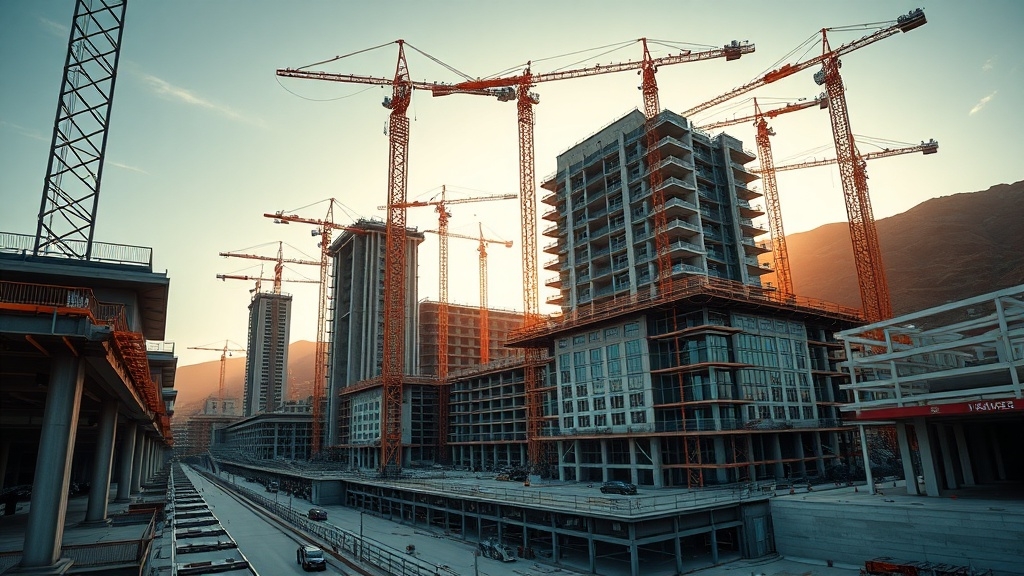
Amidst the bustling urban environment of Orange County, the industrial construction sector faces formidable hurdles that suggest a brewing crisis. Constrained land supply, especially in suburban infill areas, pushes developers toward challenging projects on smaller parcels or the redevelopment of older properties. New regulatory hurdles, particularly from California Assembly Bill No. 98, further complicate the setting. These impose stricter zoning laws and development constraints, necessitating greater attention to environmental and community impacts. This results in costlier and more protracted construction timelines. Developers must navigate these complexities to adapt efficiently. With rising inventory levels causing increased seller concessions, housing market stagnation impacts associated sectors, including industrial construction.
| Challenge | Impact | Mitigation Strategies |
|---|---|---|
| Limited Land Availability | Infill focus | Redevelopment |
| Regulatory Hurdles | Delays | Enhanced compliance |
| Supply Glut | Caution | Market analysis |
Such multifaceted challenges heighten the risk of warehouse obsolescence. Developers need strategic planning and innovative approaches to overcome these hurdles.
Economic Factors and Future Outlook
Economic turmoil is casting a long shadow over Orange County’s industrial market. This has led to a noticeable cooling in tenant demand.
Rising vacancy rates, now at 6.2%, highlight decreased appetite for expansive spaces. Despite the slowing construction, 2.3 million square feet remain underway, aggravating the supply-demand discord.
Market forecasts suggest uneven impacts across property sizes. Small bays are maintaining lower vacancies due to high demand.
In contrast, larger facilities face an 8.4% vacancy rate. Rent declines are being driven by sublease availability and market oversupply.
This underscores tenant preferences shifting away from high-cost commitments. Geopolitical tensions and economic uncertainties continue to persist.
Tenant expansion hesitancy reflects ongoing trade pressures. This backdrop encourages cautious outlooks among key stakeholders.
Prospective market recovery hinges on moderating supply influx. Potential demand rebounds remain a point of speculation.
Assessment
The surge in Orange County warehouse vacancies and increasing subleases creates a precarious landscape for real estate stakeholders. Leasing and rent dynamics face immense pressure due to these shifts.
Ongoing construction projects exacerbate the oversupply challenge, while economic uncertainties loom large. Industry professionals must navigate these turbulent waters with acute awareness.
The outlook remains cautious as stakeholders assess the implications of a rapidly evolving market environment. Strategizing for potential future disruptions is crucial.
















4 Responses
Obsolete OC warehouses? Sounds like the perfect opportunity to convert them into affordable housing units! Just my two cents.
Isnt the obsolescence of OC warehouses just a natural market correction rather than a risk? Maybe, its time for a digital revolution, folks?
Natural correction? Perhaps. But lets not rush to bury physical stores just yet. They arent dead.
Could these obsolete OC warehouses be repurposed for affordable living? Its a win-win for the vacancy issue and the housing crisis!