Market Growth and Value Appreciation
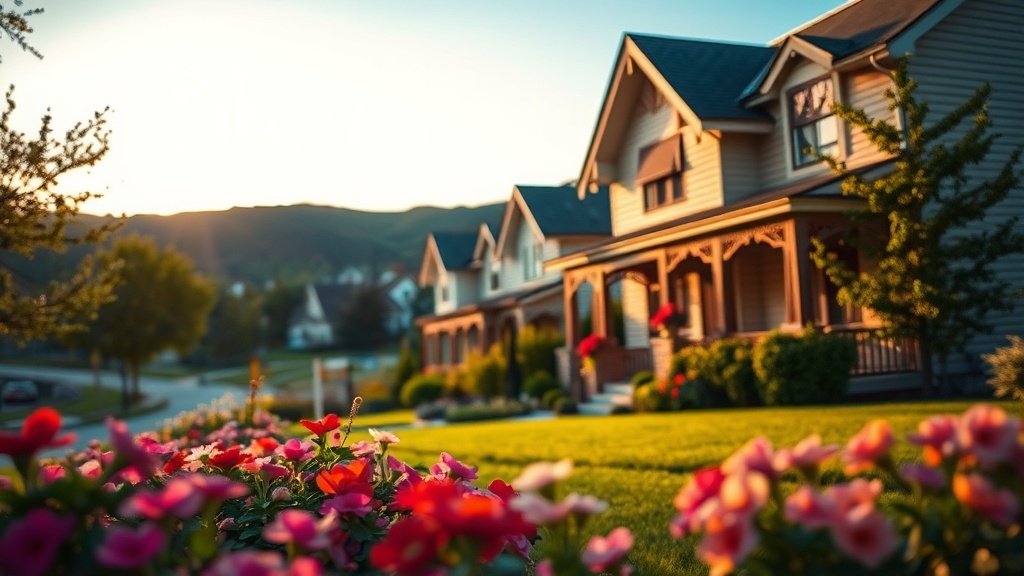
As the real estate scene evolves, Pittsburgh suburbs exhibit a unique synergy of market growth and value appreciation. This dynamic is attracting attention from investors nationwide.
A steady annual home value appreciation of 4–5% underscores the region’s appeal. It offers confidence in equity growth without extreme volatility. Pittsburgh suburbs also provide a more attainable entry into high-quality living compared to the costlier major metro markets.
Suburban areas like Foxlane highlight a harmonious blend of quality living and long-term value growth. This is critical for those prioritizing stability. The affordability crisis seen in other parts of the country does not seem to affect this area as deeply, allowing it to maintain its attractiveness to both buyers and investors.
This smart and sustainable growth pattern is driven by active community engagement and strategic planning. It ensures momentum without risking overinflation.
Key suburbs such as Mount Lebanon and Aspinwall showcase how vibrant communities contribute to property value gains.
The balance of community-driven initiatives and prudent market strategies underpins the region’s ability to sustain appreciation. This benefits both residents and investors.
Affordability and Investment Potential
Pittsburgh’s suburban housing market is attracting nationwide attention. It serves as a beacon of affordability amid costly metropolitan scenery.
Affordability metrics favor buyers here. Pittsburgh stands out as a major metro where buying a starter home is cheaper than renting.
Median buying costs at $1,362 monthly undercut the $1,473 rent. This suggests compelling investment strategies for new homeowners.
Affordability is further highlighted by median-income households. Pittsburgh’s unique affordability, as identified in a June 2025 Realtor.com report, emphasizes saving opportunities for homebuyers. They spend only 27.4% of their income on housing, below the 30% benchmark.
Pittsburgh’s housing market remains attractive for investments. The strong economic fundamentals of similar emerging markets contribute to this appeal. Median home prices are approximately $229,000, well under the national median of $490,000.
This affordability enhances its appeal among prospective investors. The region’s robust housing supply also adds to its attractiveness.
Demand Drivers and Buyer Profiles
In Pittsburgh’s suburban areas, the demand for housing is influenced by both economic growth and changing buyer demographics. The thriving sectors of technology, healthcare, and education in Pittsburgh drive many to prefer suburban living. Economic stability boosts confidence in first-time buyers, upsizers, and relocating professionals seeking quality housing. Major employers like UPMC and Google attract diverse professionals relocating for work, increasing housing demand. First-time buyers often choose new constructions, while upsizers and relocators look for space and value. Strong rental demand persists due to ongoing job growth and investor interest in stable suburban neighborhoods. Opportunities exist in affordable housing and neighborhoods that support high rental yields and long-term growth potential.
Inventory Constraints and New Construction
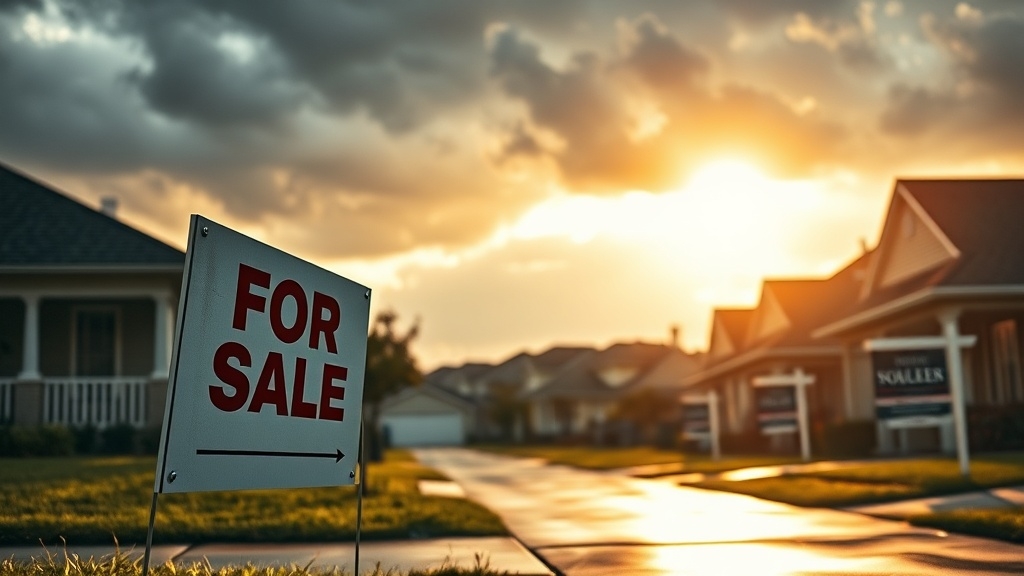
Economic growth and changing demographics have certainly fueled housing demand in Pittsburgh suburbs. Yet, a persistent challenge looms: inventory constraints.
Despite a 30.6% increase in national inventory by April 2025, post-pandemic low home inventory continues in these suburbs. Elevated mortgage rates above 6.5% deter homeowners from listing.
The stable market contrasts with previous competitiveness. New construction projects aim to address supply shortages, particularly in revitalizing neighborhoods like Millvale, Etna, and Sharpsburg.
However, construction challenges persist. Building pace varies with market conditions, with noticeable inventory relief taking time.
Developers focus on diverse housing, reflecting demographic shifts. The balance between new constructions and existing demand influences overall market stability.
This is a marked shift from past volatility.
Luxury and Upscale Market Trends
The luxury and upscale market trends are redefining Pittsburgh suburbs, as the suburban lifestyle here is evolving. A notable emphasis on luxury design supports this evolution.
Homes in these areas are more than just reflections of affluence. They capture the essence of refined living standards.
One key trend is affordable luxury. Unlike major metro areas, Pittsburgh suburbs offer luxury homes at more accessible prices. This enhances their appeal.
The market exhibits steady appreciation with an annual growth rate of 4–5%, reinforcing financial stability. This demonstrates a balanced and enduring value.
A diverse buying pool, consisting of business leaders and high-net-worth individuals, drives demand for upscale suburban homes. This diversity sustains the market’s growth and appeal.
Additionally, investment confidence is high. The avoidance of boom-and-bust cycles guarantees measured investments. This ensures enduring value in Pittsburgh’s suburban luxury market.
These dynamics underscore the appeal of Pittsburgh suburbs. They attract those drawn to a blend of luxury and persistent value.
A notable benefit of investing in the upscale suburban market includes the tax benefits and deductions that contribute to wealth growth and preservation over time.
Assessment
The surge in sales across Pittsburgh’s suburbs marks a significant shift in market dynamics. This change is driven by increased demand and limited inventory.
The area’s affordability and investment potential attract a diverse buyer profile. Meanwhile, new construction struggles to keep pace with the high demand.
Remarkably, luxury and upscale markets witness significant trends. These trends reinforce the region’s growing appeal.
As the market momentum builds, all eyes remain on Pittsburgh’s suburbs. They are becoming an enthralling real estate hotspot.















5 Responses
Yeah, but isnt this surge just inflating a bubble? Cant see how its sustainable with inventory constraints and affordability issues. Just saying.
Interesting read, but isnt this surge just creating a bubble? What happens when affordability turns into overpriced madness? Just food for thought.
Interesting surge, but isnt this just a bubble? What happens when affordability crashes and inventory constraints cant keep up with demand?
Surges and bubbles arent twins. Demand creates innovation, affordability will adjust. Watch and learn!
Surge in Pittsburgh suburb sales, huh? What if this is just a bubble waiting to burst? Hope were not setting ourselves up for a crash!