
Planning Commission’s Role and Decision
In an influential step toward reshaping Raleigh’s skyline, the Planning Commission initiates a thorough examination of rezoning requests. This process is defined by both statutory and procedural guidelines.
The Planning Commission follows a strict 60-day timeframe. Within this period, they recommend approvals or denials for rezoning cases.
Within 45 days of application completion, the Commission scrutinizes applications. This review may encompass multiple sessions based on intricacy.
Central to its planning process is consideration of recommendation criteria. These criteria involve compliance with Raleigh’s development standards and urban design.
The Planning Commission‘s work is intricately linked to the structured process that includes necessary public engagement through neighborhood meetings and public hearings. Community input also plays a crucial role. Public engagement includes neighborhood meetings which occur before Commission reviews.
There are opportunities for testimony during open sessions. These sessions further allow for community involvement.
The Commission’s advisory recommendation influences City Council’s ultimate decision. Their decision follows after further public deliberation.
Developer’s Vision for Urban Growth
Rising to meet the demands of Raleigh’s burgeoning urban environment, the development proposal for the 30-story tower seeks to redefine city living. The developer aims to introduce a mixed-use benefits approach, integrating residential and commercial spaces to maximize urban utility. A recent emphasis on transparency in the housing market highlights the importance of aligning development with ethical and sustainable practices. With sustainable design at its core, the project envisages supporting city growth by accommodating approximately 1,000 new residents. This helps alleviate sprawl and promotes transit over car dependency. Additionally, the project proposes to address neighborhood concerns throughout the development process to ensure a harmonious integration with existing communities. A $1.2 million commitment to the affordable housing fund underscores efforts toward inclusive growth. By increasing density centrally, the project aligns with goals of walkability and enhancing public spaces such as Smoky Hollow Park. This vision harmonizes economic vitality with responsible cityscape evolution, reflecting trends in urban density.
Community Reactions and Concerns
Despite the developer’s vision, community reactions in the Glenwood-Brooklyn neighborhood reveal significant reservations about the proposed 30-story tower.
Community feedback highlights apprehension regarding the tower’s height and its adverse impact on neighborhood preservation. Residents express concerns over increased traffic, noise, and loss of sunlight. They fear these issues could diminish the quality of life in the area.
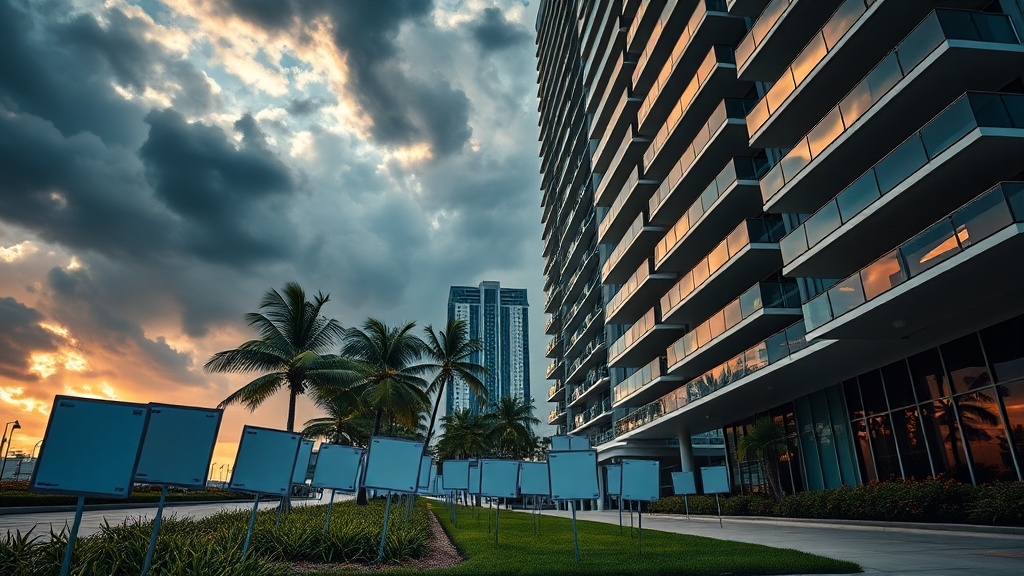
Lawn signs protesting the rezoning reflect widespread opposition. Critics contend that the development contravenes traditional urban planning principles by not properly adjusting in height toward the neighborhood.
The potential to set a precedent for future high-rise projects in historic neighborhoods exacerbates residents’ anxieties.
With rising home prices and a competitive rental market in cities like Los Angeles as a backdrop, the development in Raleigh has drawn comparisons, highlighting the wider implications of urban expansion.
While developers attempted to engage with the community, many remain unsatisfied. They emphasize a need to balance growth with neighborhood values.
Zoning Challenges and Implications
Looming amid Raleigh’s swiftly changing skyline, zoning challenges create a tense interplay between development aspirations and regulatory frameworks.
The new zoning laws, including SB 382, introduce legal challenges by broadening down-zoning definitions. This complicates local government measures.
The legislation further restricts municipal control, adding uncertainty in zoning impacts and regulatory responses. Despite public participation in initial stages, rezoning approval necessitates alignment with the city council’s vision.
This often faces scrutiny for stifling orderly growth per North Carolina’s State Building Code.
Challenges surface in balancing compliance with the Unified Development Ordinance. Ensuring development harmonizes with city objectives becomes crucial.
These dynamics shape Raleigh’s development terrain, where each zoning decision carries significant implications. The structural evolution and community integration are deeply affected by these decisions.
Future of Raleigh’s Skyline and Development
The potent forces of urban development in Raleigh are reshaping its skyline and future. Highline Glenwood, set to become the tallest tower at 37 stories, deviates from past architectural trends.
It showcases urban density and architectural innovation. This project integrates residential, retail, and office spaces into a single edifice.
By preserving elements of the historic Pine State Creamery building, the development emphasizes a balance between progress and heritage. Highline Glenwood signifies a momentous shift toward vertical expansion.
It sets a new standard for urban innovation in Raleigh’s skyline. The inclusion of 300 residential units and unique amenities will cater to diverse demographics.
This reflects investor faith in the city’s growing market and sustainable urban density.
Assessment
The approval of the rezoning for the 30-story tower marks a critical moment for Raleigh. It signals a transformative phase in its urban development environment.
While the decision aligns with the city’s vision for expansion, it raises significant questions. These questions pertain to its impact on community character and infrastructure.
The coming years will be vital in determining how this new addition will integrate with Raleigh’s skyline. It will also influence future projects.
The stage is set for potential shifts in real estate dynamics. City planning strategies may also undergo changes.


















6 Responses
Sounds like a sweet deal for the developer, but what about the traffic nightmares this will cause? Not sold on this urban growth vision.
Traffic chaos is progresss price. No growth without a little discomfort!
Disagree with the approval. Isnt urban growth just a fancy term for more concrete and less greenery? What about community concerns? #SaveOurSpaces.
Sure, the 30-story tower might boost Raleighs skyline, but what about the impact on local traffic and community character? Is urban growth worth the cost?
While I appreciate urban growth, shouldnt the Planning Commission prioritize affordable housing over 30-story towers? Gentrification isnt always progress, you know.
Is no one else concerned that this urban growth is just code for gentrification? What about the existing communitys voice? #RaleighRezoning #Gentrification