
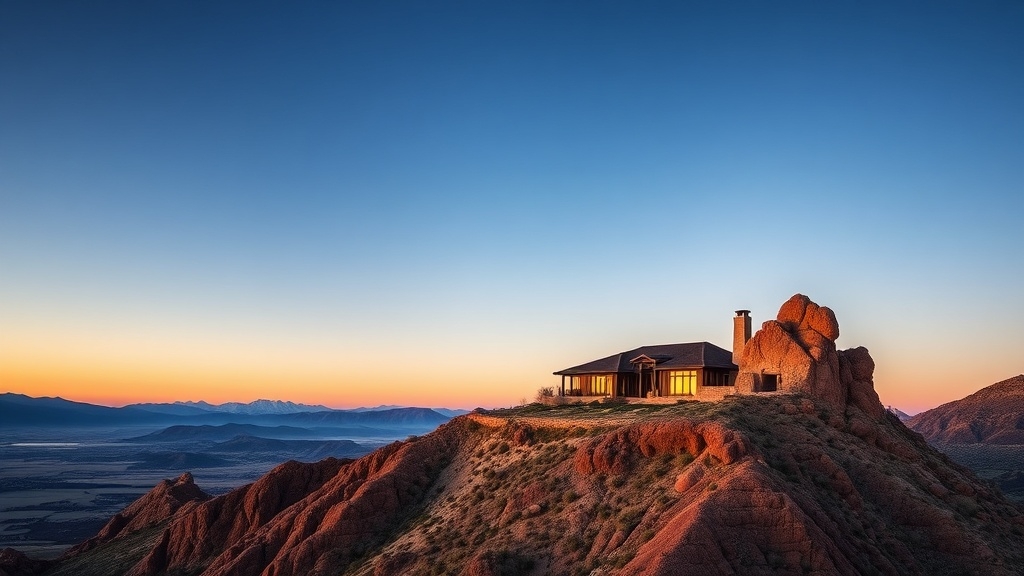
Historical Significance of Utah Land Ownership
The historical terrain of Utah land ownership is marked by dramatic shifts, deeply rooted in its early control by Mormon settlers.
In 1847, Mormon pioneers settled the Salt Lake Valley, establishing control before the U.S. federal land system was in place.
Brigham Young directed land distribution through a community-based lottery system. This method drove urban and agricultural development without federal oversight.
Land disputes were resolved internally within the Mormon community under ecclesiastical authority, bypassing U.S. legal systems. This led to localized territorial disputes that were inherently complex for federal recognition.
Upon Utah’s cession from Mexico to the U.S. in 1848, the area was designated as federal public domain. This initiated further changes as federal legal structures began taking root. In 1869, the first land office opened in Salt Lake City, facilitating official land transactions and marking a new era in land management.
Commitment to Environmental Conservation
Robert Redford’s unwavering dedication to environmental conservation shines through his transformative work at Sundance. He prioritized land preservation and sustainable practices in every aspect of the project. His environmental principles have consistently intertwined with his artistic endeavors. This reflects a steadfast commitment to protecting natural terrains while advocating for ecological consciousness. The intersection of conservation and creativity has solidified Redford’s influence. The Robert Redford Conservancy for Southern California Sustainability, founded in 2012, focuses on increasing socio-ecological justice in communities. He promotes a responsible approach to environmental stewardship. As the green property revolution unfolds, it aligns with Redford’s vision and underscores the profit potential of sustaining eco-friendly practices, indicating a convergence of ecological mindfulness and wealth creation.
Sundance Conservation Efforts
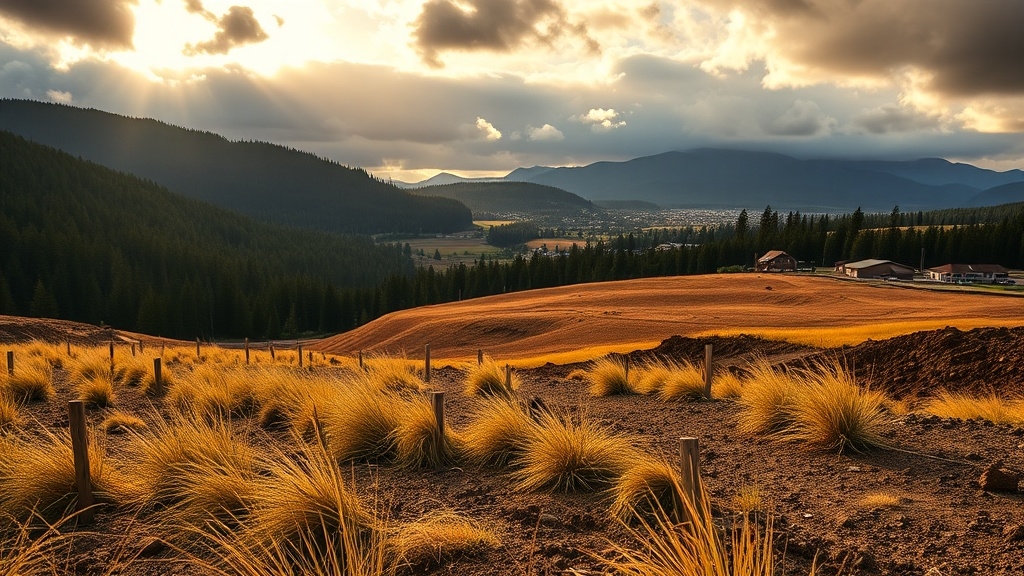
Amidst the breathtaking backdrop of Sundance Mountain, Robert Redford’s legacy unfolds through his transformative conservation efforts. Standing as a testament to his commitment, 300 acres near Sundance Mountain Resort were acquired to establish a nature preserve.
This initiative prioritizes wildlife preservation and habitat restoration over dense development. Intentional restrictions on construction have preserved natural surroundings, protecting ecosystems intrinsic to the region.
Sundance reflects a shared dedication to conserving land and nurturing a balance between human presence and nature. The community vision blends art and nature with a strong emphasis on environmental care.
The development approach is limited, ensuring the preservation of natural surroundings. By adopting minimal construction, the habitats are protected effectively.
The Sundance Resort exemplifies the successful merging of sustainable practices with luxury. It cultivates an environment where nature and culture thrive harmoniously.
Redford’s Environmental Principles
Engaging fervently in environmental conservation, Robert Redford’s legacy resonates through his unwavering principles.
Redford’s philosophy, deeply intertwined with Environmental Storytelling, reinforces his commitment to ecological protection.
Over five decades as a trustee of the Natural Resources Defense Council, he has shaped environmental policy. He has been a strong advocate for preservation initiatives like the Arctic National Wildlife Refuge.
Redford co-founded The Redford Center, championing narrative-driven activism. This underscores the emotional power of storytelling.
His efforts in sustainable building, such as the Robert Redford Conservancy, highlight innovations aligning with green standards. These projects reflect his broader ethos: integrating art and nature to promote ecological change.
Redford’s Environmental Storytelling continues to inspire action. He leaves an indelible mark on environmental advocacy.
Development Philosophy at Sundance Mountain Resort
At Sundance Mountain Resort, the development philosophy carefully maintains a balance
Balancing Art and Nature
This philosophy is more than just an ethos; it’s a deliberate blueprint focused on sustainable practices and cultural enrichment.
Sundance Mountain Resort embodies Robert Redford’s dedication to balancing artistic collaboration with nature integration.
The resort’s core principle is the harmonious blend of art and environmental preservation. It hosts an annual film festival and various art programs, fostering creative expression in a protected natural setting.
Over 25,000 acres of preserved land highlight this commitment.
Sundance’s rustic luxury ethos is evident in buildings crafted with native materials and handmade decor.
This design not only preserves natural beauty but also upholds a community-oriented spirit. By engaging with the local community, Sundance ensures that environmental stewardship and artistic pursuits remain intertwined.
This approach nurtures a lasting legacy of both art and nature.
Conservation-Driven Resort Growth
Robert Redford’s vision of balancing art and nature seamlessly evolves into the development philosophy practiced at Sundance Mountain Resort.
Central to this philosophy is sustainable tourism harmoniously merged with ecological architecture.
The resort, set against the backdrop of untouched natural surroundings, exemplifies minimalistic development by preserving large swathes of its 6,000-acre expanse.
Native materials such as local stone and wood are used, ensuring the architecture blends elegantly into its environment.
The innovative construction practices include geothermal energy usage and eco-friendly wood staining techniques.
With a focus on limited vegetation disturbance, expanded facilities like a modest 63-room Inn subtly enhance the guest experience.
This is done while maintaining ecological integrity.
The resort’s unique layout and low-density infrastructures safeguard its natural beauty.
It champions a legacy of conservation.
Redford’s Personal Connection to Nature
Redford’s deep connection to nature is a testament to his love for Utah’s landscapes. His journey began with transforming “Timp Haven” into the famous Sundance, setting the stage for his enduring relationship with the environment.
In 1963, Redford solidified his bond with the Utah community by building a home there. This decision further rooted him in the stunning terrain he cherishes.
Key Milestones in Redford’s Journey:
Sundance Foundation: This initiative bridged art and nature, advocating for the environment through independent films.
Jeremiah Johnson Filming: By shooting near Sundance, Redford highlighted Utah’s wilderness and its breathtaking beauty.
Environmental Advocacy: Globally, he engaged in events like COP 21, using his influence to spotlight ecological issues.
Impact on the California Luxury Real Estate Market
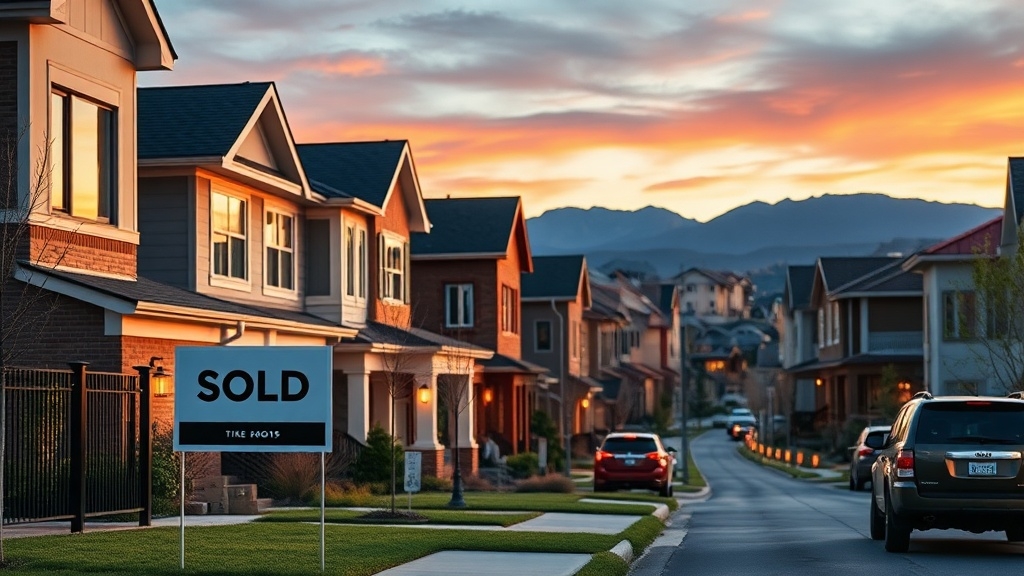
The California luxury real estate market is experiencing increased disruption due to celebrity purchases and sales influencing upscale neighborhoods. High-profile transactions, like Robert Redford’s 2020 acquisition and subsequent listing of his Tiburon home, are clear examples of celebrity impact. Celebrity-owned properties frequently attract premium buyers who are eager for the associated star status. This shift in market dynamics leads to value appreciation, as seen in Redford’s property being listed in 2025 at a significantly higher price. Celebrity sales also tend to increase market turnover and spark competitive bidding, serving as positive indicators of market vitality. The relocation of celebrities, such as Redford moving to New Mexico, subtly alters luxury demand and can impact the supply in affluent areas. When media reports on these transactions, it heightens buyer interest, thereby reinforcing the prestige of elite markets. Regular inspections and implementing preventive measures help maintain the safety and integrity of luxury rental properties amid high-profile market activities.
Cultural and Social Influence in Entertainment and Advocacy
In what ways does an entertainment icon shape cultural narratives and advance social advocacy? Robert Redford leverages cultural storytelling and cinematic advocacy to address pressing environmental concerns.
Cultural Storytelling: Through films and documentaries, he emphasizes environmental issues. This effectively makes complex subjects accessible to wider audiences.
Cinematic Advocacy: By producing documentaries on topics like coal plant impacts and water conservation, Redford transforms media into a platform for environmental education.
Political Engagement: Testifying before U.S. House committees, Redford advocates for legislative actions protecting Utah’s wild lands. He supports initiatives like America’s Red Rock Wilderness Act.
His influence extends beyond the screen. Redford advocates for clean energy policies and critiques corporate practices.
He greatly contributes to environmental advocacy and public policy discourse.
Assessment
Robert Redford’s enduring legacy has left a notable imprint on Utah’s pristine landscapes. Additionally, it has influenced the opulent realms of California real estate.
His dedication to environmental stewardship at Sundance promotes a rare blend of nature appreciation and luxury. This approach has encouraged sustainable development practices.
Redford’s unique vision ripples through the real estate market. It drives deep cultural, social, and economic impacts.
His influence underscores an indelible connection to land and legacy. This impact continues to shape both Utah and California.













5 Responses
While Redfords commitment to conservation is admirable, isnt it ironic that hes also shaping luxury markets? Isnt luxury inherently unsustainable? Just a thought.
Just wondering, if Redfords so committed to conservation, why is he shaping the luxury market? Seems a bit contradictory, dont ya think?
Interesting take, but isnt Redfords legacy more about crafting cinema than influencing Utah land values and Californias luxury market? Just a thought.
Interesting read! But is Redfords legacy actually shaping real estate or are we just romanticizing celebrity influence? Discuss.
Interesting read, but isnt Redfords legacy more about his film career than his impact on Utah land or California luxury market? Just a thought.