Why San Antonio Retail Occupancy Reached 95.2%?
Population growth fuels an expanding consumer base that directly lifts retail demand.
San Antonio’s rapid demographic expansion outpaces states such as Utah and Washington, creating a dense consumer pool for fitness, furniture, specialty retail, and fast‑casual dining.
This surge sustains strong absorption, keeping vacancy below historic averages and driving occupancy to 95.2 percent.
Digital signage and loyalty programs
Retailers deploy digital signage to capture attention in high‑traffic corridors.
Loyalty programs convert foot traffic into repeat visits, reinforcing demand.
Both tools enhance experiential appeal, aligning with the city’s low‑vacancy, high‑absorption environment.
Resulting market dynamics
Limited new construction and shrinking square footage per person tighten supply.
National chains such as Dollar General and O’Reilly anchor leases, confident in the tight market.
Rent growth remains modest at 1.5 percent, reflecting sustained consumer spending and income gains.
the market’s vacancy rate remains low despite the surge in new construction.
DDA’s $37 million investment in Denver’s Pavilions demonstrates how public financing can stimulate urban revitalization and influence broader retail trends.
How New Tenants Boost San Antonio Retail Occupancy?
Tenant Mix Expansion
New entrants diversify the tenant mix, targeting value‑conscious shoppers and mid‑market demographics. Their presence complements existing anchors, creating a balanced portfolio that attracts broader consumer segments.
Lease Incentives Driving Commitment
Landlords offer lease incentives, including rent abatement and tenant‑improvement allowances, to lock in long‑term contracts. Incentives reduce upfront costs for retailers, encouraging rapid lease execution and sustaining high occupancy rates.
Market Tightness Amplifies Impact
With vacancy rates below 5% and limited new supply, each added tenant materially lifts overall occupancy. The combined effect of a robust tenant mix and strategic lease incentives underpins San Antonio’s record‑high retail occupancy.
Will Highway Construction Hurt Mall Traffic in San Antonio?
Ongoing roadwork and retail footfall metrics indicate a complex challenge for the regional shopper experience.
While projects like the Loop 1604 expansion aim for long‑term safety, short‑term highway blockage and reduced mall visits remain primary concerns for local stakeholders.
- Large‑scale construction disruption impacts shopper access and visibility‑dependent retailers.
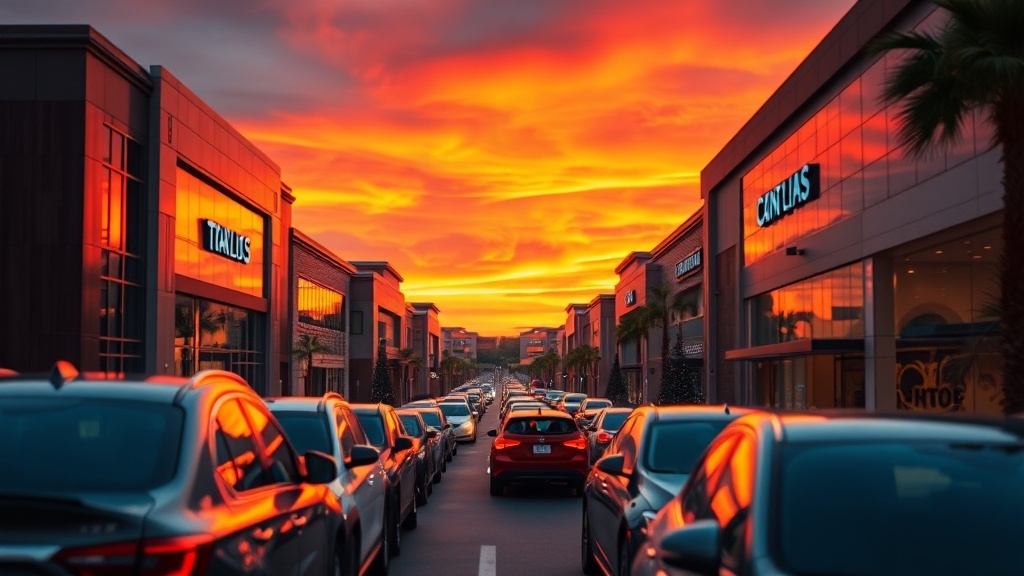
- Major traffic snarls for retail patrons occur during peak hours due to road closure and shopper access limitations.
- Highway mall footfall faces risks from construction delays that hinder consumer flow.
- Roadwork and mall attendance remain stable at 95.2 % occupancy despite persistent highway mall traffic challenges.
Construction retail traffic remains hindered by short‑term access issues.
Developers utilize roadwork and retail footfall mitigation to protect construction mall traffic.
Landlords in the area are also monitoring the situation, as rent caps could affect their financial stability.
How National Foot‑Traffic Trends Translate to San Antonio Retail?
National retail trends show a resilient sector, but early‑year sales momentum faced pressure from cautious consumer spending.
Overall foot traffic improved in 2025, yet heightened digital demand continues to curb the growth of traditional brick‑and‑mortar stores across the United States.
Regional markets now grapple with evolving digital consumer trends that prioritize convenience and value‑driven physical locations over massive shopping malls.
San Antonio defies national contraction. Local demographics sustain a robust 95.2 % occupancy rate even as per‑capita square footage declines.
The Rim exemplifies this strength, maintaining a vacancy rate below 5 % through a strategic mix of big‑box and specialty retailers. Aggressive expansion from economy‑oriented brands signals confidence in the local market.
New construction remains limited to fewer than 1.5 million square feet annually to guarantee stability.
Why Gen Z and High Purchase Rates Keep Local Malls Busy?
How does Gen Z sustain physical retail traffic in an increasingly digital environment? This demographic leverages Gen Z social‑commerce to identify trends while relying on physical storefronts for tactile confirmation.
Approximately 61 percent of these younger consumers prefer discovering new products within a physical environment. This shift suggests that digital browsing often serves as a precursor to immediate in‑person gratification.
Drivers of Local Mall Engagement
- In‑store experientiality: Shoppers demand visually immersive atmospheres and hyper‑personalized interactions that mimic digital discovery.
- Product interaction: About 41 percent of Gen Z shoppers prioritize touching and seeing merchandise before making a final commitment.
- Quality assurance: Preference for in‑store clothing purchases remains high as consumers seek to verify fit and material quality.
- Value seeking: Nearly 80 percent of this group waits for seasonal sales or utilizes price‑comparison tools.
Assessment
San Antonio retail markets maintain dominance through high occupancy and resilient consumer behavior.
Resurgent foot‑traffic figures suggest that local shopping centers effectively mitigate construction‑related disruptions.
Generational spending habits provide a stable foundation for future growth.
Data‑driven performance indicates that these assets remain critical hubs despite national economic shifts.
Stakeholders must monitor transit developments to guarantee long‑term accessibility.
Market stability persists as national retailers prioritize these high‑performing Texas corridors.