

Why Did San Francisco Housing Stall?
Constrained supply sits at the center of San Francisco’s housing stall. Zoning gridlock and environmental review rules continue to choke new construction across the Bay Area. California’s 2025 reforms like SB 79 may help over time, but pipeline gains are expected to be gradual rather than immediate.
Permits fell to 9,100 units in 2024, far below the 32,500 reached in 2018. Inventory remains exceptionally thin, with only 2 to 3 months of supply regionally and just 715 active San Francisco listings at the end of February 2026. By contrast, Seattle’s recent inventory growth has shifted leverage toward buyers and highlighted how unusual San Francisco’s supply constraints remain.
Underbuilding keeps new listings artificially scarce even as competition persists.
Affordability Pressure Intensifies
The mortgage squeeze adds a second brake. Elevated rates pushed the median San Francisco loan payment to 67 percent of income, limiting affordability and slowing buyer activity.
Even so, shortages keep pressure on prices. Homes still moved quickly, with a median 24 days to pending, showing a market stalled by scarcity more than weak interest.
Why Did San Francisco Keep Building Amid Population Loss?
Defying the headline population drop, San Francisco kept adding housing because long-delayed projects continued moving forward under state pressure, rezoning efforts, and persistent demand tied to the region’s tech economy.
Developers faced state mandates requiring 82,000 units by 2032, while new laws increased oversight and pushed approvals near transit and in office-heavy districts.
Even after losing 65,000 residents from 2020 to 2022, the city remained extremely dense, and tech demand still shaped expectations for future need.
Unlike Seattle, where soaring interest rates helped freeze major tower projects, San Francisco’s pipeline continued to move despite weakening market signals.
| Force | Meaning |
|---|---|
| state mandates | Kept pressure on approvals and rezoning |
| tech demand | Sustained long-term assumptions about housing need |


Structural Pressures Persisted
Construction also reflected inertia.
Projects planned under a restrictive, slow-moving code kept advancing, even as vacancies rose and market signals weakened in many high-rise segments.
Why Didn’t San Francisco Housing Meet Affordable Need?
Housing production did not translate into affordability because the homes added were too few, too slow, and too heavily tilted toward market-rate supply.
San Francisco faced deep demand from low-income households, but new housing did not match that need.
From 2012 to 2016, San Francisco added 373,000 jobs but permitted only 58,000 homes.
That imbalance pushed prices and rents higher, with low- and moderate-income households absorbing the greatest strain.
Zoning and Policy Bottlenecks
State targets now require 82,069 homes by 2031, yet zoning constraints still limit what can be built.
Discretionary approvals, administrative delays, and a zoning tax exceeding $400,000 per home reduced production and slowed affordable delivery.
Market Priorities Missed Need
Market priorities favored higher-end projects while subsidized housing lagged.
The Bay Area allocation reserved 41 percent of needed homes for very low- and low-income households, but funding and below-market-rate output remained inadequate.
How Did Failed Megaprojects Worsen San Francisco Housing?
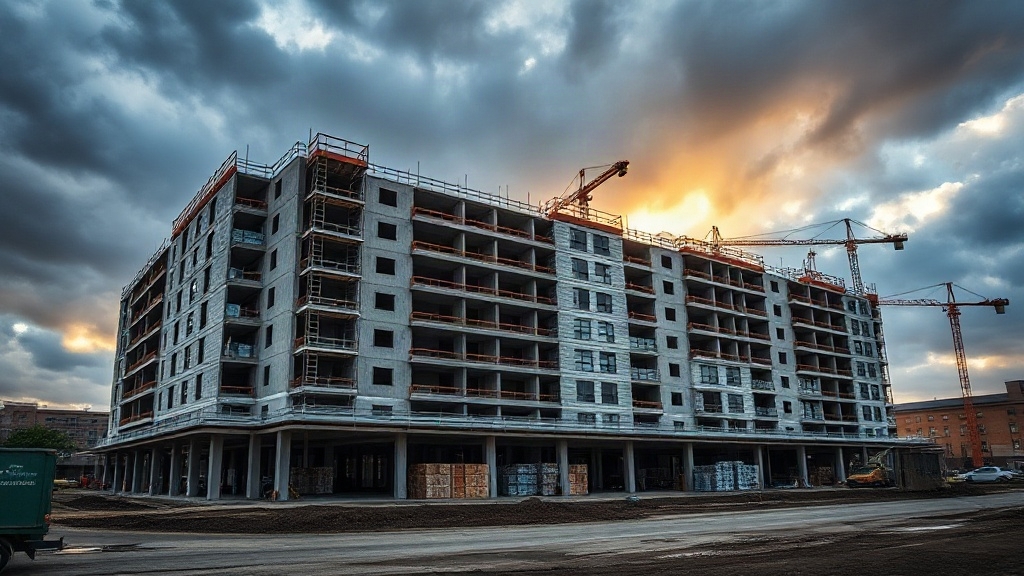
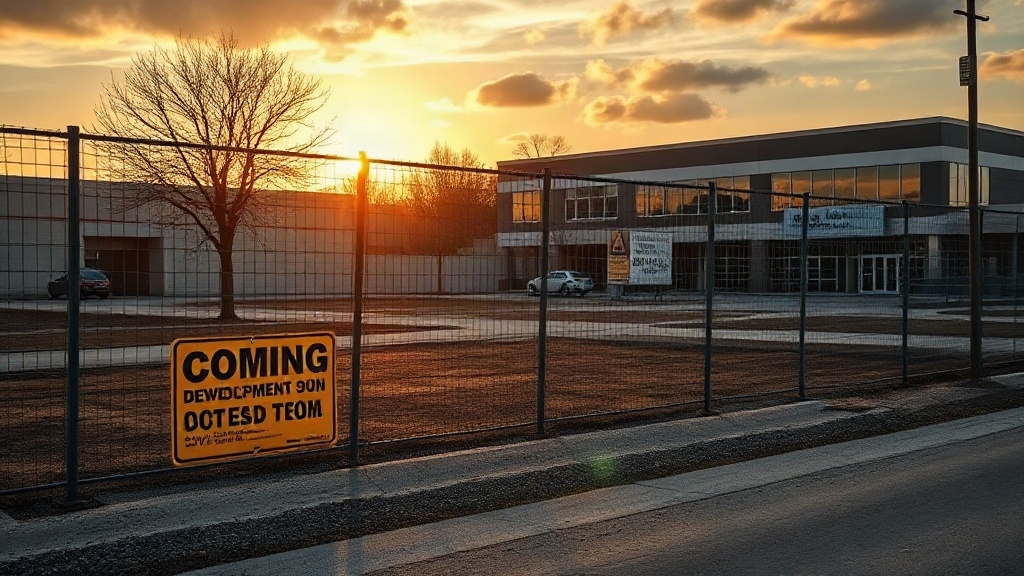
Across San Francisco, failed megaprojects turned approved housing capacity into years of lost production.
Parkmerced showed the scale of the damage. It won approvals to replace 1,500 townhouses and dramatically expand the site, yet financing failures stopped construction before it began.
Receivership in 2025 left one of the city’s largest housing promises frozen indefinitely.
Supply Targets Under Pressure
Other projects followed the same pattern. The 333-condo tower at 30 Van Ness stalled after developer financial trouble, while the First Street and Mission site also paused amid funding constraints.
These setbacks removed large blocks of potential homes that smaller projects cannot quickly replace.
San Francisco must plan for 82,000 units in five years. With annual output far lower and zoning deadlocks limiting capacity, stalled megaprojects widened the gap between approvals and actual housing delivery.
What Could Reduce Displacement in San Francisco Housing?
In San Francisco, reducing displacement depends on pairing tenant protections with preservation tools that help vulnerable residents stay in place.
Short-term stabilization measures, rent rules, eviction defenses, and SRO protections can help residents remain housed. Lottery preferences and tenant services also provide immediate support.
Key Responses
- Expand tenant protections through rent stabilization, eviction safeguards, and rapid-response services.
- Scale nonprofit acquisitions under COPA, which gives groups time to bid or match offers on distressed buildings.
- Preserve existing homes with small-sites purchases, condo conversion limits, rental regulations, and legalization of unauthorized units.
Financial tools also matter.
Tax credits, bonds, vouchers, and project-based assistance can convert unsubsidized rentals into rent-restricted housing.
Longer term, zoning changes near transit, jobs, and schools may add homes. Anti-displacement assessments can also help target at-risk neighborhoods.
Assessment
San Francisco’s housing rebound lost momentum as high costs, weak demand, and uneven project outcomes collided during the summer slowdown.
New construction continued despite population declines, but much of it failed to match the city’s urgent affordability needs.
Delayed or abandoned megaprojects deepened supply imbalances and prolonged uncertainty across key neighborhoods.
Without stronger anti-displacement measures, targeted affordable production, and more reliable project execution, the city’s housing pressures appear set to remain severe.
That instability threatens both renters and future development.