
Erosion of Anchor Tenancy and Escalating Vacancies
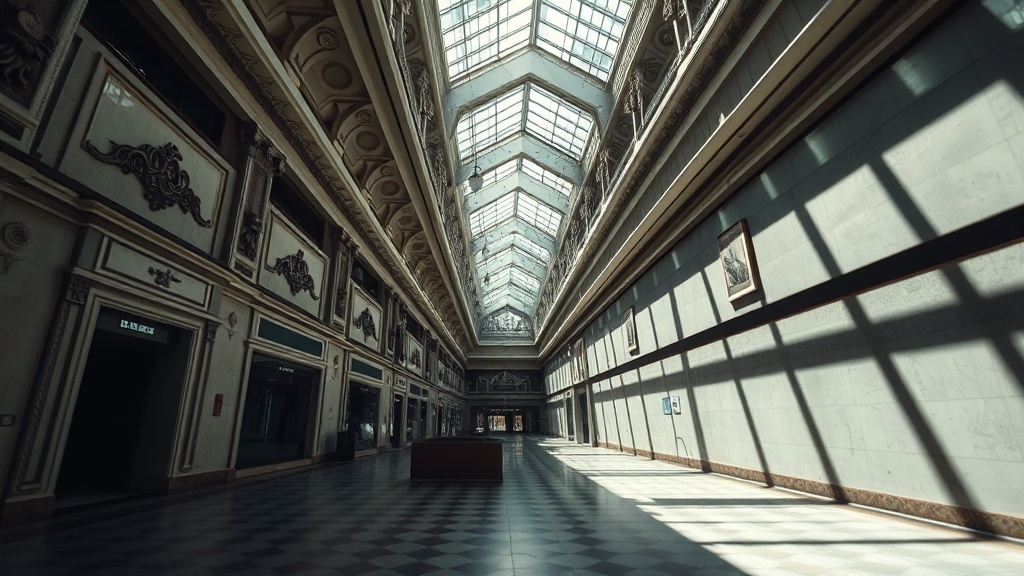
The departure of legacy department stores from key San Francisco malls is unraveling the urban retail fabric. Major retailers like Nordstrom, Bloomingdale’s, and Macy’s have vacated pivotal city mall locations. This has led to a considerable anchor store exits crisis. Nordstrom’s exit, after a 35-year presence, sparked a domino effect. Other tenants and smaller stores are shutting doors or relocating. The ensuing vacancy crisis signals a downward spiral in retail occupancy. Gigantic vacant anchor spaces pose challenges for refilling. These vacant spaces diminish foot traffic, considerably reducing sales prospects. Retail corridors, particularly older Class B and C properties, face additional stress as they’re less appealing to potential new tenants. Remaining retailers struggle to maintain sales, while new leases are hindered. The vacancy crisis has intensified, with Union Square showing a 22% vacancy rate. The Van Ness corridor has hit a staggering 53%. This situation spotlights extensive challenges within these urban pockets. Additionally, the impact of crime and negative public perceptions have exacerbated the challenges facing San Francisco’s retail landscape, deterring shoppers and investors alike.
Impact of Safety Concerns on Consumer and Tenant Confidence
San Francisco’s retail environment faces new challenges as safety concerns increasingly impact consumer and tenant confidence. The rise in retail theft, especially nonviolent shoplifting, has heightened consumer anxiety. Theft incidents have nearly doubled near key malls like San Francisco Centre. Shoppers now avoid these areas, perceiving them as unsafe. This widespread anxiety has led to a decline in foot traffic. Consumers are turning to safer alternatives, which further strains tenant viability. Inside San Francisco Centre, tenants have expressed growing fears about shoplifting and interactions with homeless individuals. These incidents have led some brands to leave, citing unmanageable safety issues. Despite a strong security presence, current measures are inadequate in restoring confidence in this challenging retail atmosphere. As downtown San Francisco continues to grapple with broader economic issues since the pandemic, some key counties affected by increasing housing costs include Cook, Maricopa, and Orange County, reflecting regional financial distress. The situation highlights the critical need for community-focused redevelopment strategies.
The Broader Implications for Urban Retail Landscapes
Facing unprecedented challenges, urban retail environments are at a pivotal juncture. This moment is fraught with both peril and potential.
The decline of the San Francisco Centre symbolizes broader shifts in consumer behavior. It highlights the hurdles of urban renewal.
High vacancy rates and anchor tenant departures underscore the fragility of traditional retail models. This is especially true in densely urbanized areas.
The drastic reduction in mall valuation mirrors a national trend of retail shutdowns. It echoes the need for adaptive strategies.
As online shopping diversifies spending patterns, urban cores struggle with revitalization attempts. This struggle occurs amid deterring vacancy rates.
Compounding the issue, retail deserts emerge as prospective tenants hesitate. This creates ripple effects that impact local economies and cultural diversity in downtown environments.
This evolution necessitates introspection into future retail solutions.
Assessment
The decline of San Francisco’s mall highlights challenges within the city’s retail sector. It reflects a broader shift occurring in urban settings.
The loss of anchor tenants and increasing vacancies threaten the mall’s financial stability. This further amplifies tenant reluctance to commit to the space.
Heightened safety concerns are eroding consumer confidence. This, in turn, deters foot traffic and worsens the impact of vacant spaces.
Urban retail spaces across the nation face an uncertain future. Market dynamics are swiftly evolving, presenting new challenges.
This situation underscores the urgent need for adaptive strategies. Revitalizing urban retail vitality and restoring stakeholder confidence is crucial.













47 Responses
Isnt it ironic how malls, once the lifeblood of retail, are now facing their own mortality? The safety concerns are alarming, wonder how this may reshape the urban retail landscape? Thoughts?
Malls dying? Good riddance! Its high time we prioritize local businesses over consumerism.
Does anyone else think the death spiral of malls is just a symptom of a bigger issue? Like, isnt it really about changing consumer habits and the rise of e-commerce? Just a thought.
Isnt it ironic how the city that spearheaded the tech boom is facing a retail apocalypse? Maybe its time for a digital reinvention? Reinvent malls as more than just shopping spaces, perhaps?
Tech boom or not, some things are timeless. Not everything needs a digital facelift!
While the article highlights the impact of safety concerns on consumer confidence, isnt the online shopping surge a bigger reason for the decline in mall footfall? Urban retail landscapes are changing, sure, but is e-commerce the elephant in the room?
Isnt it ironic how online shopping was seen as the villain, but now its safety concerns and declining tenancy adding to retails woes? Maybe its time we rethink our urban retail landscapes altogether?
Interesting read, but isnt it equally important to discuss e-commerces role in this retail collapse? Major malls are emptying, yet Amazons thriving. The retail landscape is changing, not necessarily dying, right?
While this article paints a grim picture of SFs retail scene, isnt it possible that this could spur innovative retail concepts? Maybe this is a chance for small businesses to shine. Thoughts?
Isnt it surprising how digital shopping trends havent just affected small retailers but also the big fish in urban landscapes? The death spiral of SF mall clearly underscores this. Safety concerns just add fuel to the fire.
Interesting article, but isnt the death spiral merely a symptom of changing consumer habits? Online shopping is on the rise, folks. Brick-and-mortar need to innovate or perish. Just my two cents.
Consumer habits might change, but experience and human interaction cant be replicated online!
Isnt anyone else seeing the upside here? Maybe this is the perfect time for a total retail shakeup, like pop-ups and experiential stores?
Has anyone considered how the mall death spiral might actually encourage innovative urban redevelopment? Maybe were witnessing the birth of a new era in retail spaces. Just a thought.
New era or not, the death of malls signifies the end of an era. Change isnt always progress.
Isnt it possible that the death of malls, like in SF, is more about online shopping taking over, rather than safety issues?
While I understand the gravity of the San Francisco malls situation, isnt it a bit dramatic to call it a death spiral? Retail has always been cyclical and adaptive, right? Maybe its just evolving.
Evolving or not, the plummeting profits and closures speak volumes. Its more than dramatic, its reality.
Cant help but wonder, are these escalating vacancies and eroding anchor tenancy unique to SF, or indicative of a broader urban retail landscape issue? Safety concerns affecting consumer confidence as well?
While I appreciate the detailed analysis, shouldnt we also consider how e-commerce is contributing to the death spiral of malls, not just safety concerns and anchor tenancy issues?
While this article paints a grim picture of retail in SF, could it be that were not focusing on the potential for converting these spaces for mixed-use, maybe housing? Just a thought.
Isnt the San Francisco Malls death spiral more about the citys broader economic issues and less about retail in general? The safety concerns and escalating vacancies are just symptoms, not the cause.
Perhaps, but blaming economic issues sidesteps the fundamental flaws in modern retail strategies.
While I get the retail pain, arent we overlooking the potential benefits of urban space repurposing? And isnt safety concerns a broader societal issue, not just a retail one? Lets not just blame e-commerce.
Interesting read, but isnt the death spiral of malls more of a result of the rise of e-commerce rather than safety concerns or erosion of anchor tenancy? Perhaps this is just a natural evolution?
Evolution, yes. But, attributing malls demise solely to e-commerce oversimplifies the complex issue.
While the articles focus on anchor tenancy is spot on, I reckon were missing a deeper conversation here. Could the retail downfall also be a result of SFs skyrocketing living costs? Just food for thought.
Isnt it ironic how SF, a tech hub, is suffering from retail woes aggravated by the rise of e-commerce? Maybe its high time we reassessed the survival strategies for urban retail landscapes.
SFs retail woes are self-inflicted. Tech cant replace the human touch in retail!
Interesting read. But arent we overlooking the impact of e-commerce here? Doesnt it play a significant role in the death spiral of malls, not just in SF but globally? Just a thought.
Isn’t it ironic that as we become more connected digitally, our physical spaces like malls are declining? Wonder if this mall death spiral could be reversed with more experiential retail? Thoughts?
While the mall death spiral in SF is concerning, isnt it also a reflection of our shift to online shopping? Perhaps its less about safety and more about convenience? Just a thought…
Isnt it about time we consider repurposing these vacant malls into community spaces or affordable housing? I mean, how many empty storefronts do we need as a reminder of retails demise?
Isnt it ironic how malls, once considered the epitome of consumerism, are now witnessing their own downfall? Could this be a wakeup call for big retailers to rethink their strategies? Lets not even get started on the safety concerns!
Quite an insightful piece, but what about the role of e-commerce in this retail distress? Isnt online shopping gnawing at the viability of malls rather than safety concerns or vacated anchor stores?
Does anyone else find it ironic that the death spiral of malls is happening in tech-hub SF? Its like were witnessing first-hand the downside of the digital economy revolution…Talk about poetic justice.
Interesting read. But doesnt the retail pain reflect more on the changing consumer habits than safety concerns? E-commerce growth surely plays a part here. Or is it just easier to blame crime?
Sounds like the mall death spiral is a symptom, not the disease. What if urban retail landscapes were already evolving pre-pandemic, and rising vacancies and safety concerns are just speeding up an inevitable shift?
Is it just me or does this San Fran Mall Death Spiral reveal a bigger issue? Were missing an online retail impact assessment here, mates!
Spot on, mate! Online retails impact is often overlooked. Time for a wake-up call!
Isnt it fascinating how the decline of anchor tenancy mirrors the shift in consumer habits? Wonder how this will reshape the urban retail landscape in the long run. Safety concerns are also a major contributing factor, no doubt.
Not sure if the safety concerns are truly driving this retail pain or if its more about the shift to online shopping. Could be a mix, but it seems theyre blaming it all on crime?
Just curious, but could the San Francisco Mall Death Spiral be a catalyst for revolutionizing the traditional retail landscape? Perhaps its time we embraced change, considering the escalating vacancies and safety concerns.
Interesting read! But, isnt SFs retail pain also tied to skyrocketing rent costs and gentrification? Wouldnt that be a bigger factor in the malls death spiral than safety concerns? Just a thought.
Disruptive, isnt it? Were seeing the fallout of online shopping. But isnt this also a chance to reimagine urban landscapes? Maybe malls arent the end-all-be-all of retail spaces. Just a thought.
Is anyone else concerned about how this retail death spiral could impact the cultural fabric of SF? I mean, malls arent just about shopping, theyre social hubs too. This could have deeper community implications.
While I agree with the points on anchor tenancy erosion and safety concerns, isnt it possible that digital transformation and e-commerce might also be key contributors to the retail pain in malls?