Belltown Multifamily Development Dynamics
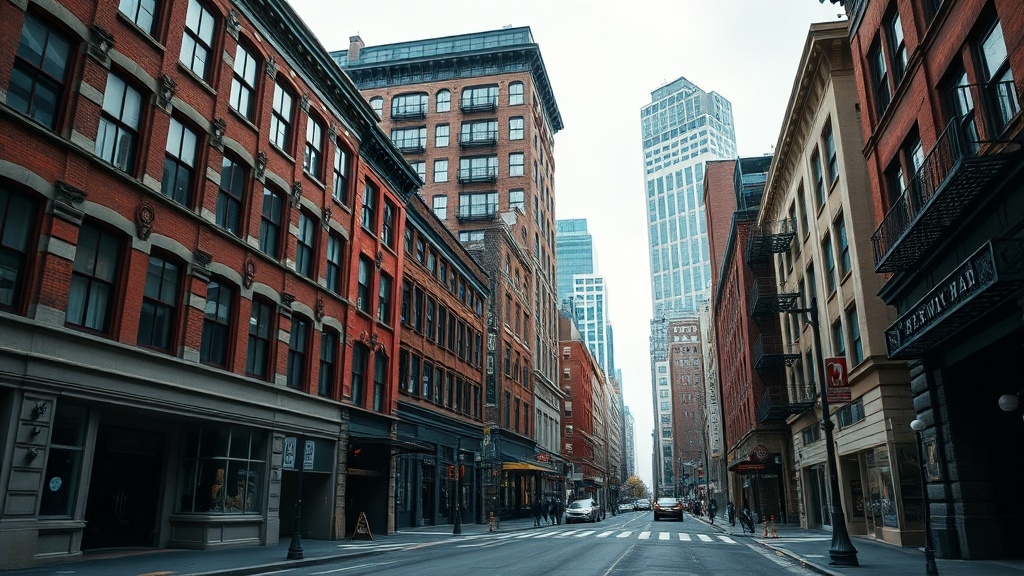
Belltown has long been a key player in downtown Seattle’s multifamily development. The neighborhood is now experiencing a pivotal shift. In 2021, half of the new multifamily units in downtown Seattle were in Belltown. Currently, the submarket is poised at a turning point, driven by its unique architecture and urban lifestyle. Effective management practices will play a crucial role in maintaining property competitiveness and fostering tenant retention in these new developments. Sixteen construction projects, such as Seattle House and WB1200, will contribute 3,517 units. These projects will redefine the neighborhood skyline with new high-rises. However, citywide, there’s a noticeable drop in construction starts. Multifamily starts decreased from 6,882 units in 2023 to 3,397 units in 2024, indicating a possible slowdown in future developments. Belltown remains a hub for high-rise projects, especially along Fourth and Fifth Avenues. Yet, the pace has slowed near its western edge. This shift could potentially cloud Belltown’s once-strong role in shaping Seattle’s urban landscape.
Current Sales and Market Conditions in Belltown
Belltown’s multifamily development was once a crucial part of Seattle’s urban growth. Now, it’s facing unexpected challenges as sales and market conditions evolve. Market fluctuations have caused a slight drop in home values. The average home price in Belltown is now down by 6.3% to $520,389. Despite these declines, Belltown remains competitive. Homes are pending in about 34 days and selling approximately 2% above the list price. The area is currently identified as a buyer’s market. This is marked by supply outpacing demand and a median days-on-market of 74 days. Buyer behavior is being driven by increased inventory. This provides more leverage and negotiation opportunities. While the broader Seattle market is experiencing upward price pressure, Belltown offers relative affordability. This comes amidst its shifting dynamics. Adding to this, excellent transportation options in Seattle contribute to an average commute time of 26.6 minutes, making areas like Belltown attractive for residents seeking convenience. Belltown could see a resurgence in interest similar to cities like Austin, where tech-driven booms have revitalized real estate markets.
Transformative Potential of Seattle’s Waterfront Land
Seattle’s Waterfront Land is set for a monumental change with the 20-acre Waterfront Park completion slated for 2025.
This development enhances waterfront accessibility, reconnecting the city core to Elliott Bay.
The park design emphasizes urban ecology, focusing on ecological restoration. Innovative features like glass blocks in the seawall support aquatic vegetation.
Recreational pathways and a continuous greenway trail improve access for pedestrians and cyclists. These features enrich urban connectivity and mobility.
Infrastructure upgrades further mobility enhancements and prioritize environmental preservation.
Natural elements embedded in the urban setting serve both community and ecological needs.
This transformation weaves Seattle’s vibrant city life with the serene essence of its waterfront.
The project aligns with Mackenzie Grate’s philosophy of integrating community needs with urban improvements, fostering empowerment through enhanced connectivity and shared spaces.
Zoning Reforms and Missing Middle Housing Initiatives
Amidst the growing housing crisis, Seattle’s ambitious zoning reforms and Missing Middle Housing initiatives take center stage.
By addressing zoning challenges and promoting housing affordability, Seattle introduces Phase 2 of Midrise Zoning.
The focus is on areas like Uptown, Greenwood, and Central District. These reforms aim to expand Urban Centers and replace single-family areas with denser Urban Neighborhood zones, permitting multifamily units such as duplexes and triplexes.
Rising evictions underscore affordability issues that Seattle’s initiatives seek to mitigate for sustainable urban growth.
Recent legislative changes, like SB 5184 and HB 1491, facilitate development around transit. They reduce parking mandates and encourage affordable housing near transit hubs.
However, these initiatives present challenges as public debate and feedback continue.
The temporary framework addressing the Missing Middle legislation calls for careful development to guarantee affordable housing goals are realized.
Trends in Seattle’s Construction Industry
The prevailing complexities within Seattle’s construction industry reveal an intricate tapestry of challenges and opportunities. Seattle, as one of Washington’s busiest construction hubs, is experiencing a heightened pace of residential construction, especially in multifamily and transit-oriented projects.
Despite this vigorous activity, labor shortages persist. Contractors are grappling to meet the demands of over 4,000 residential units currently underway downtown.
With the sharp drop in permit numbers in 2024, completing existing projects has become a priority. Fewer new ventures are materializing as a result.
The labor shortages are compounded by a 2% decline in the workforce, straining project timelines and operational vitality. Escalating material costs and economic uncertainties challenge stakeholders’ resilience.
Adapting to the evolving construction environment becomes crucial. Stakeholders must navigate this landscape with agility.
Assessment
The assembly of Belltown’s blocks marks a pivotal moment in Seattle’s dynamic urban environment.
This convergence of multifamily development trends, evolving market conditions, and transformative waterfront potential underscores a significant shift in real estate investment opportunities.
Coupled with zoning reforms and the push for missing middle housing, these developments could redefine Seattle’s construction industry trajectory.
This fusion of factors, amid mounting pressure for innovation and housing supply, positions Belltown as a barometer for future urban growth challenges and solutions in Seattle.