

Key Takeaways
- Seattle’s industrial vacancy rate has plummeted to 2.8%, sparking intense investor demand and signaling a major pivot from struggling office markets.
- Lease rates have jumped 9.2% year-over-year, offering warehouse investors significantly improved ROI in a market with tight supply.
- Institutional capital and local developers are fueling a wave of adaptive reuse, with retail-to-industrial conversions on the rise following new zoning approvals.
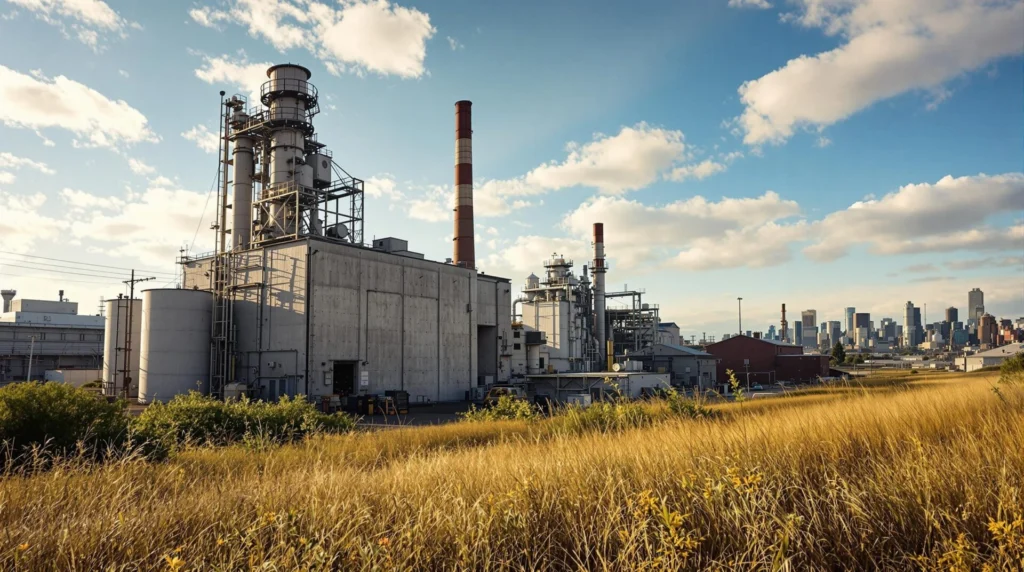
Seattle, WA — In a dramatic shift that’s lighting up the Pacific Northwest’s real estate charts, Seattle’s industrial sector is now outpacing office and retail in investor demand.
According to new market data released this week, the city’s industrial vacancy rate dropped below 3%—a level not seen since 2017—while lease rates climbed more than 9% year-over-year.
With demand surging for last-mile logistics and flex industrial spaces, investors are moving fast to reposition portfolios, acquiring underutilized properties and converting outdated assets into warehouse-ready facilities.
The Northwest Warehousing Wave
Major players like Prologis and Clarion Partners have ramped up acquisitions along the I-5 corridor and in Kent Valley, betting big on e-commerce fulfillment and supply chain resilience.
Local developers, too, are chasing industrial opportunities once considered niche.
Seattle Industrial Snapshot:
- Vacancy Rate: 2.8% (Q1 2025)
- Average Asking Rent: $1.45/SF/month (up 9.2% YoY)
- Top Submarkets: Kent Valley, South Seattle, SeaTac
- Capitalization Rates: 5.2%–6.0%, holding steady amid demand
Institutional Interest & Adaptive Reuse
Institutional funds are increasing exposure to industrial assets, citing long-term stability and lower tenant turnover.
Meanwhile, adaptive reuse projects—such as former retail stores being converted to light industrial—are catching fire.
Zoning changes passed by the Seattle City Council in late 2024 have streamlined approvals for these conversions.
Assessment
Seattle’s industrial boom is the result of converging market forces: e-commerce acceleration, strategic location advantages, and rising investor caution around office assets.
For real estate investors looking for dependable yield and high tenant demand, this is a market to move on quickly.
The opportunities are no longer limited to national REITs—local investors willing to act fast can still grab high-performing assets and ride the industrial upswing.
No related posts.












5 Responses
Interesting take but arent we just swapping one real estate bubble for another? Warehouses today, whats next, underground bunkers? #JustSaying
Interesting shift, but isnt it just creating a bubble in the warehousing market? What happens when the remote work trend reverses? Just food for thought.
Interesting shift, but wonder if Seattles infamous rainy weather will hurt the warehousing boom? Rust and dampness are real issues! Thoughts?
Isnt it ironic how were turning office spaces into warehouses? Whats next? Turning Starbucks into storage units? Seattles lost its charm, mate!
Why are we pivoting to warehousing? Isnt it just creating more urban blight? Lets invest in green spaces instead. Go Seattle, not warehouses!