
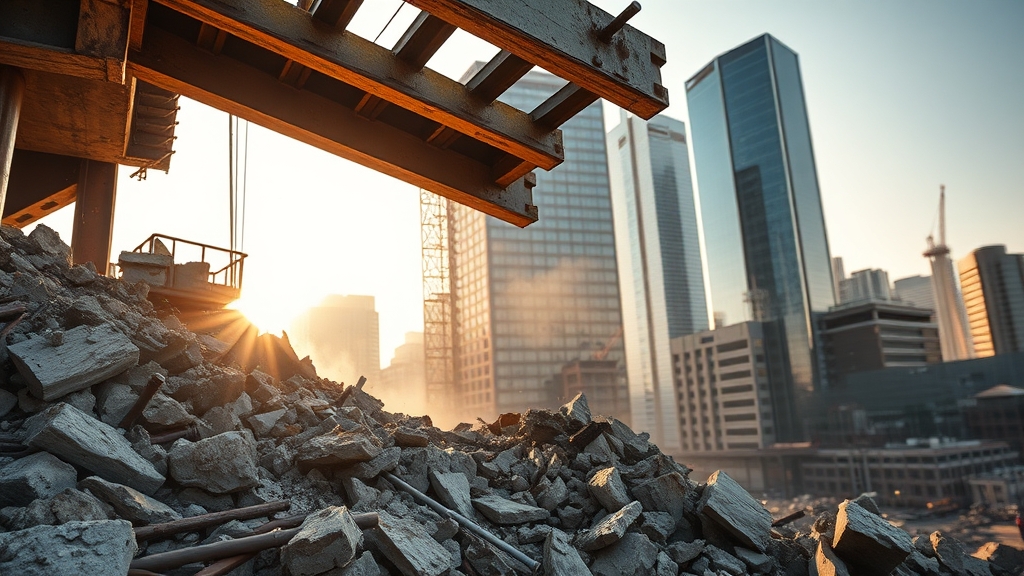
National Trend Reaches Seattle as Office Space Conversions Surpass New Development
Seattle is at the forefront of a national trend reshaping America’s commercial real estate landscape. Office space conversions and demolitions are now outpacing new construction at an unprecedented rate. The national surge has reached crisis levels. Projections indicate 23.3 million square feet of office space will face conversion or demolition by 2025. Office vacancy rates are nearing historic highs of 19 percent across the country. The home prices in key markets have surged by 12% year-over-year, driven in part by increased investor purchases.
Seattle’s response to this market disruption is aggressive. Over the past two decades, around 1.3 percent of the city’s commercial space has undergone conversion or is in planning for residential development. Office-leasing activity has shown positive momentum with an 18% increase in the first quarter compared to the previous year. This shift directly addresses the mounting housing demand. Multifamily vacancy rates remain below 5 percent nationwide. Consequently, three-quarters of office conversions are targeting residential uses. Seattle developers are also required to allocate 10 percent of units for affordable housing. This transformation signals a permanent shift in urban real estate priorities as traditional office markets collapse.
Market Stabilization Through Supply Reduction Despite Rising Vacancy Rates
Seattle’s commercial real estate sector is employing a bold strategy: deliberate supply reduction. This comes as traditional market forces falter in restoring balance.
With national office vacancy rates at 19%, Seattle faces a shift that endangers longstanding stability. To combat this, the city is aggressively reducing office inventory through demolitions and conversions. The city is also exploring how federal land conversions might serve as a model for addressing urban housing challenges amid tight regulations.
The aim is to prevent further market downturns by targeting structural oversupply. Property values and rental incomes have been destabilized, prompting this calculated move.
Industry analysts see this supply reduction as vital for urban revitalization. Vacancy rates, however, continue to rise, highlighting ongoing challenges.
By eliminating excess space, Seattle hopes to create artificial scarcity. The market remains flooded with unwanted inventory, necessitating drastic measures. Seattle’s tax deferrals and streamlined design reviews are incentivizing office-to-residential conversions as part of this supply reduction strategy.
This approach reflects the severity of the current market crisis. Survival means removing competing properties from circulation.
Seattle’s unprecedented supply destruction highlights the depth of its real estate challenges. It’s a clear signal of the drastic conditions the city faces today.
Assessment
Seattle’s office real estate sector is facing an unprecedented reversal. Demolition activity is now outpacing new construction starts.
This surge in demolitions highlights broader market corrections. These changes are sweeping metropolitan areas nationwide.
Property owners see conversion and redevelopment as viable alternatives. Maintaining underperforming office assets is increasingly less appealing.
Market fundamentals suggest the demolition trend will persist. The sector is adapting to permanently altered demand patterns.
This shift follows the widespread adoption of remote work. The real estate landscape is changing in response.























7 Responses
Isnt it ironic that Seattles tearing down more offices than its building? Maybe theyre just making room for more Starbucks locations, lol!
Or maybe theyre making space for more innovative ideas, ever thought of that?
Is Seattle really stabilizing or just making room for more Starbucks? Maybe office space isnt the future anymore. Work from home anyone? #SeattleDemolition #WFHFuture
Interesting angle, but isnt this just a symptom of over-saturation? Maybe weve hit peak office space & need more residential units instead? 🤔💭 #SeattleOfficeTrend
Interesting trend in Seattle, but isnt demolition contributing to job losses? What about environmental impact? Just food for thought, folks.
Isnt Seattle just artificially controlling supply-demand by demolishing offices instead of adapting to market changes? Seems kinda short-sighted, dont you think?
Short-sighted? Perhaps. But isnt every market manipulation a response to a perceived future?