

Major Infrastructure Delays and Their Impact
Significant infrastructure delays in Seattle are reshaping the region’s urban environment. They reflect broader challenges in project execution.
The I-5 Revive Project’s rescheduling to 2026 highlights serious funding inadequacies. These are caused by shifting financial conditions.
Budget projections initially set for 2025 exceeded expectations. This compelled the Washington State Department of Transportation (WSDOT) to recalibrate spending.
Though some federal and state infrastructure funding supports exist, they are insufficient in averting delays. This is especially true for essential projects like the Ship Canal Bridge, which faces substantial repair needs. Structural component repairs are planned as part of the project scope to address these needs.
The intersection of infrastructure funding insufficiencies and project management complexities has led to the cancellation of educational initiatives.
These initiatives were aimed at mitigating construction impact despair. Such a disruption underscores the critical exigency for streamlined, proactive project management.
This is necessary to address ongoing challenges in infrastructure delivery.
Challenges in Light Rail Expansion
The ambition to expand Seattle’s light rail network is crucial for regional transit transformation. However, numerous challenges threaten its timely execution. Technical setbacks on the East Link extension require attention. Replacement of bolt inserts on the I-90 floating bridge is needed to ensure safety from structural damage during electrified operations. Sound Transit is taking additional precautions to preserve bridge integrity, highlighting the complexity of structural challenges. System integration testing remains unfinished. This delay affects the 2 Line’s planned opening in 2026. Originally set for a debut in 2020, completion was pushed back due to complexities. Safety concerns also persist; hot conditions pose risks of rail deformities. Seattle’s proactive legislative proposals aim to expedite review processes. These align with overarching expansion goals. There are concerns about a potential housing market crisis that pose risks to regional investments. Coordination efforts focus on easing hurdles across 19 zoning areas. These multidimensional obstacles highlight the complexity of large-scale transit projects.
The Slowdown of Construction Approvals in Seattle
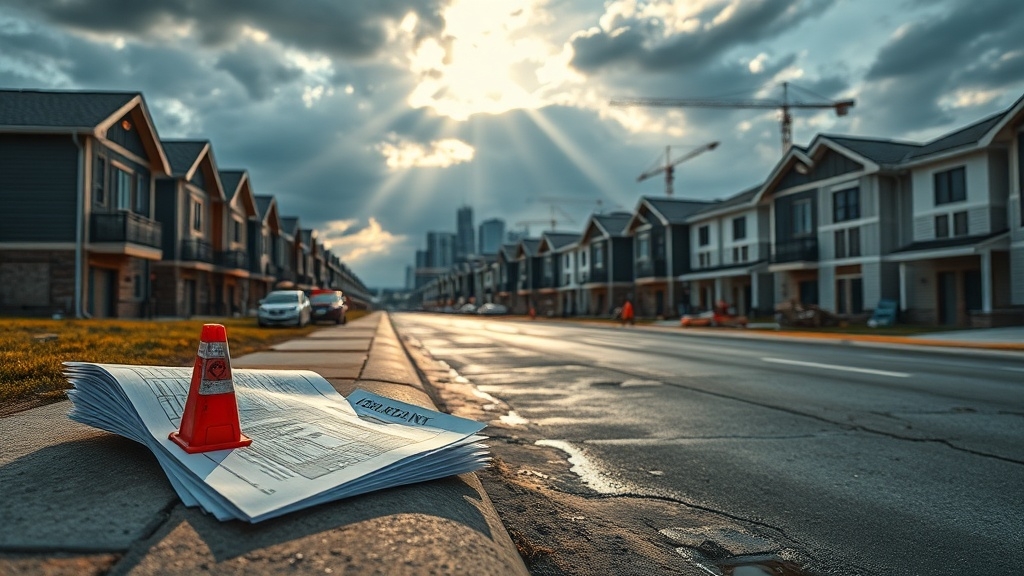
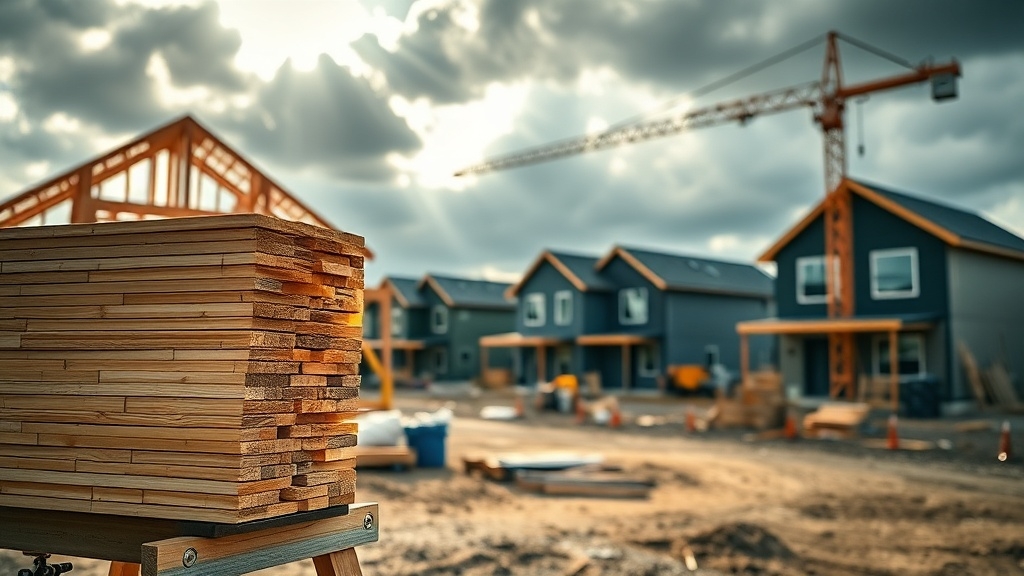
Seattle’s gridlock in construction approvals signals a dire challenge for its urban development trajectory. Rising economic instability, marked by high interest rates and inflation, disrupts financing, leaving permit applications stalled. Projects facing expiration may benefit from proposed permit extensions. These allow continuance under older building codes. This two-year extension targets over 3,000 stalled projects. Collectively, they represent around 34,000 potential housing units. Without these extensions, projects face costly redesigns. They must meet updated 2021 codes. The slowdown is exacerbated by ongoing financial uncertainties. Opposition further complicates timely approvals. Key cities experiencing explosive rent growth are a reflection of the broader instability affecting urban housing markets nationwide. City officials are responding with legal and legislative efforts. Their goal is to sustain development momentum and restore predictability. For Seattle, timely reform is essential. It’s needed to mitigate the debilitating effects of these approval delays on the housing market.
Assessment
Seattle’s real estate development is encountering significant hurdles. Delays with major infrastructure projects, especially the light rail expansion, are causing continued stalls.
These setbacks are having a broad impact. They create bottlenecks in construction approvals and complicate future planning efforts.
The city’s real estate market is feeling the effects. The local impact is becoming increasingly pronounced.
Navigating this landscape requires strategic efforts from stakeholders. Unfortunately, a swift resolution remains elusive.




















6 Responses
Does anyone else think Seattles bureaucratic red tape is choking progress? Infrastructure delays cant all be blamed on Covid, theres a deeper issue here.
Isnt it ironic how Seattles desperate for infrastructure, yet REIs projects get stalled? Maybe they should rethink their approval process. Just a thought!
Maybe Seattle values quality over speed. Ever thought of that?
Seems like Seattles just allergic to progress. Maybe if we spent less on light rail and more on effective solutions, wed see action faster?
Interesting article, but is it fair to blame city bureaucracy entirely? Maybe REI and light rail need a better project management strategy. Just saying…
Perhaps youre missing the point. Bureaucracy is the root cause, not a symptom. Wake up!