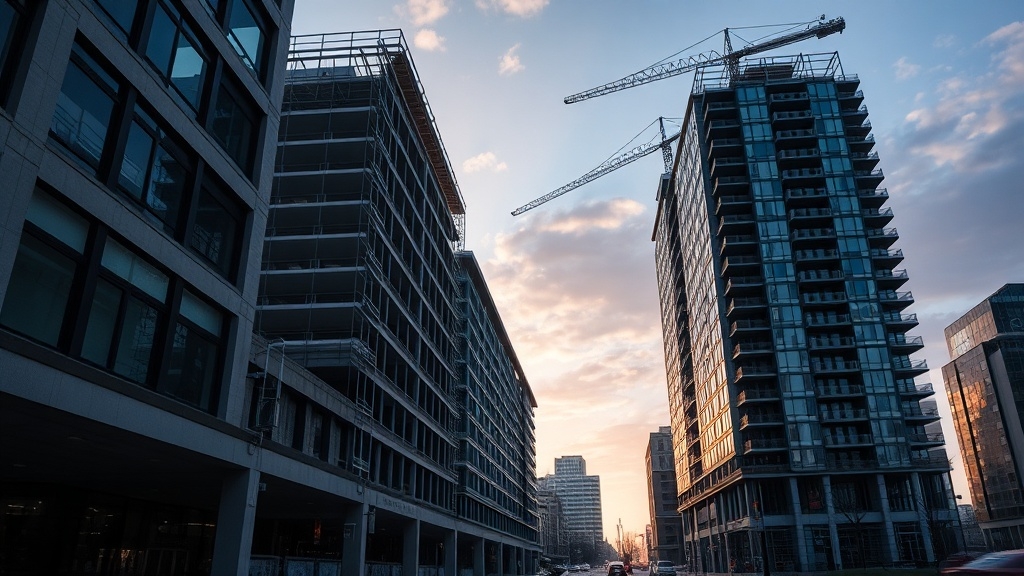
Upper Arlington’s Flexible Planning and Redevelopment Strategy
As Upper Arlington advances its strategic vision for future growth, its flexible planning approach emerges as a pivotal foundation for community redevelopment. The city prioritizes adaptable designs, especially in educational spaces, to reflect a forward-thinking agenda.
A new $115 million high school exemplifies this commitment, featuring spaces that support diverse teaching methods and student groupings.
Emphasizing flexibility, the facility incorporates movable partitions and multi-use areas to cater to evolving educational needs. Sustainability underpins this approach, with efficient building systems aimed at reducing long-term operational costs and environmental impact.
Additionally, the incorporation of wellness communities is gaining traction, fostering environments that promote health and well-being. Evidence indicates that flexible, adaptable educational environments enhance student performance and engagement.
Inspired by higher education and corporate spaces, the design aligns with the district’s dedication to preparing students for future challenges, not entrenched paradigms of the past.
Community Engagement in the Upsizing Decision
Why was community engagement vital in shaping Upper Arlington’s upsizing plan?
The city meticulously prioritized community feedback and resident involvement during the planning process. This ensured diverse voices informed the decision-making.
Efforts included public meetings, surveys, and focus groups. Extensive community outreach is planned by the City of Upper Arlington to ensure diverse voices are heard and integrated into the upsizing decision. Over 300 residents participated in stakeholder interviews and initial meetings.
Nearly 900 participants offered insights via questionnaires at events and online.
Additionally, advisory and governing bodies, like the Board of Zoning and Planning, and the Parks and Recreation Advisory Board, played significant roles.
Feedback from these methods highlighted priorities like housing, economic development, infrastructure, and green initiatives.
This collaborative approach guaranteed a master plan with broad public support.
It also underscored transparency and accountability throughout the development stages.
Future Implications for Upper Arlington’s Growth
Examining Upper Arlington’s future growth reveals a complex interplay of population trends, housing dynamics, and economic forces.
The projected annual growth rate of 0.3% suggests modest demographic shifts. An increase in housing units by 9.8% until 2050 will test housing affordability. This growth must be balanced with maintaining the area’s community character.
High property values and substantial income levels may limit affordable housing accessibility. Strategic planning in real estate, particularly through portfolio diversification and maintaining cash reserves, can help navigate potential market fluctuations and economic downturns.
Regional job opportunities may drive in-migration, further stressing housing markets. Upper Arlington faces challenges aligning demographic shifts with sustainable housing affordability.
Careful strategic planning is needed for future prosperity.
Assessment
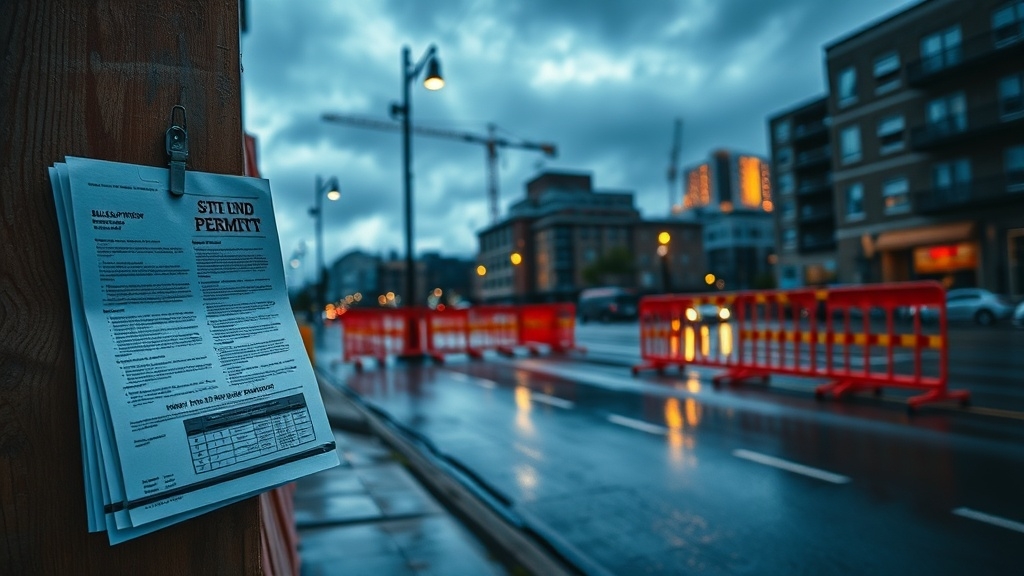
Upper Arlington’s escalation of planning after a permit oversight highlights a robust commitment to strategic growth.
By leveraging community input, the city aims for a balance between development and community integrity.
This recalibration might set a precedent for neighboring regions facing similar growth challenges.
Ultimately, the city’s proactive adjustments underline an urgent need to address infrastructural changes.
Ensuring sustainable urban expansion is crucial.
The implications of these planning decisions will resonate throughout Upper Arlington’s future developmental terrain.