
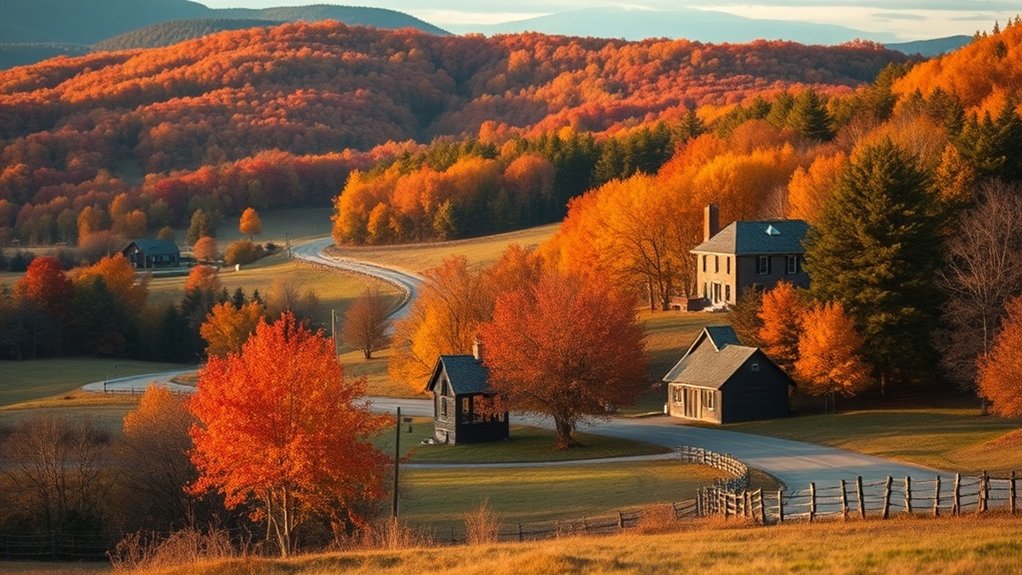
Home Pricing Trends Across Vermont
Amid persistent economic pressures and shifting market dynamics, Vermont’s real estate environment paints a compelling picture of escalating home prices. The median sales price for single-family homes in northwest and central Vermont increased by 5.26% over the past year, reaching $500,000. This marks an 89% rise since 2017. Such a surge exemplifies the affordability challenges that families face, as home values outpace income growth. The average property value statewide climbed from $250,000 in 2020 to $325,000 in 2025. This shows a steady annual growth rate of 4.8%. Buyer behavior reveals cautiousness, stemming from elevated mortgage rates and economic uncertainties. Homes are selling quickly, averaging just 7 days on the market, accentuating the competitive nature of the current environment. This is further highlighted by a 13.3% decline in homes sold in July 2025 compared to the previous year. Buyers deliberate their choices amidst rising costs. Vermont’s real estate landscape continues to evolve.
Shifts in Housing Inventory
The rapid escalation in home prices is setting the stage for a changing real estate environment across Vermont. Shifts in housing inventory are now taking center stage.
Inventory analysis indicates varied patterns across counties. Franklin and Washington Counties have witnessed significant increases. Meanwhile, Lamoille County has experienced a gradual rise.
As a result, buyers increasingly selective in Chittenden County are finding a competitive landscape while exploring additional choices in the neighboring counties. Many sellers are focusing on building long-term relationships with clients, a strategy noted for its importance in real estate success.
| County | Inventory Change | Year-over-Year Growth |
|---|---|---|
| Franklin | Nearly Doubled | Mid-2025 |
| Washington | Sharp Increase | Q2 2025 |
| Lamoille | Steady Increase | Throughout 2025 |
Urban areas like Chittenden show restrained growth due to persistent demand. Seller strategies are adapting with increased listings, up 14.5% year-over-year.
There is also a 7% weekly increase in listings. Yet, prices remain resilient as sellers strategically price homes. Expanding choices underline inventory dynamics.
Sales Volume and Market Dynamics
Vermont’s real estate market is currently experiencing a mix of rising inventory and increasing listings, presenting a complex picture of sales dynamics across the state. Despite these changes, sales volume has shown a notable increase.
In 2025, sales volume rose by 9%, with single-family home sales particularly strong, increasing by 20% in Northwest Vermont. These market conditions highlight the intricate relationship between market dynamics and buyer preferences.
Supporting this trend, multi-family unit transactions saw a substantial 28% rise. However, townhouse-condo sales faced a decline, dropping by 36.4%, indicating specific buyer targeting in those areas.
Additionally, the average days on the market have increased slightly to 43 days. This suggests that buyers are adopting more deliberate strategies and taking longer to make purchasing decisions.
Although the number of listings has grown, competition remains stiff, especially for highly sought-after homes. This situation highlights the fine balance within Vermont’s dynamic housing landscape.
Regional Differences and Future Outlook
The allure of Vermont as a residential haven is increasing. However, notable regional disparities persist in its housing market.
Chittenden County shows high regional demand with peak median prices. This is due to its limited inventory.
Conversely, Franklin County is experiencing an inventory surge. This correlates with a slight downturn in prices, indicating varied demand dynamics.
Addison and Grand Isle are seeing decreased buyer attraction. As a result, they are showcasing localized pricing disparities.
| Region | Median Price Trend |
|---|---|
| Chittenden | Highest, strong demand |
| Franklin | Decline, more inventory |
| Lamoille | 27.1% increase |
| Addison & Grand Isle | Negative, softer demand |
In terms of future outlook, prospective pricing growth is expected to moderate. This will be influenced by regional demand and economic factors.
Localized supply constraints might improve with infrastructure investments. However, pricing disparities will likely persist across Vermont’s diverse counties.
Assessment
Vermont’s increased housing inventory has not halted rising prices. Strong demand and a limited supply of affordable homes continue to drive this trend.
Sales volume in Vermont mirrors national trends. This reflects a highly competitive market climate.
Regional disparities highlight different levels of appreciation. This underscores the complexity of the market environment.
Stakeholders are preparing for future changes. The trajectory of Vermont’s real estate market remains uncertain.
However, it is positioned for continued volatility. Investors and professionals need to stay informed.
This is crucial to navigate the evolving terrain effectively.














4 Responses
Does anyone else feel like Vermonts housing bubble is about to burst? These prices are absurd, even with more homes on the market.
Isnt it weird that Vermont house prices are skyrocketing, despite inventory? Maybe its time for a mass move to the Midwest, anyone else game?
Isnt it weird that even with more houses, Vermont prices are sky-high? Maybe its all just a ploy to keep us renting forever?
Maybe its not a ploy, just a reflection of market demand and quality of life?