



Key Takeaways
- Midwest multifamily vacancy rates have dropped to 4.8%, fueling strong investor interest and renewed confidence in the region’s real estate market.
- Despite impressive rent growth, underlying risks such as rising property taxes and persistent permit delays threaten market stability.
- Regulatory and legislative changes at the local level pose additional challenges for investors considering Midwest expansion.
Navigating Risks Amid Midwest Multifamily Momentum
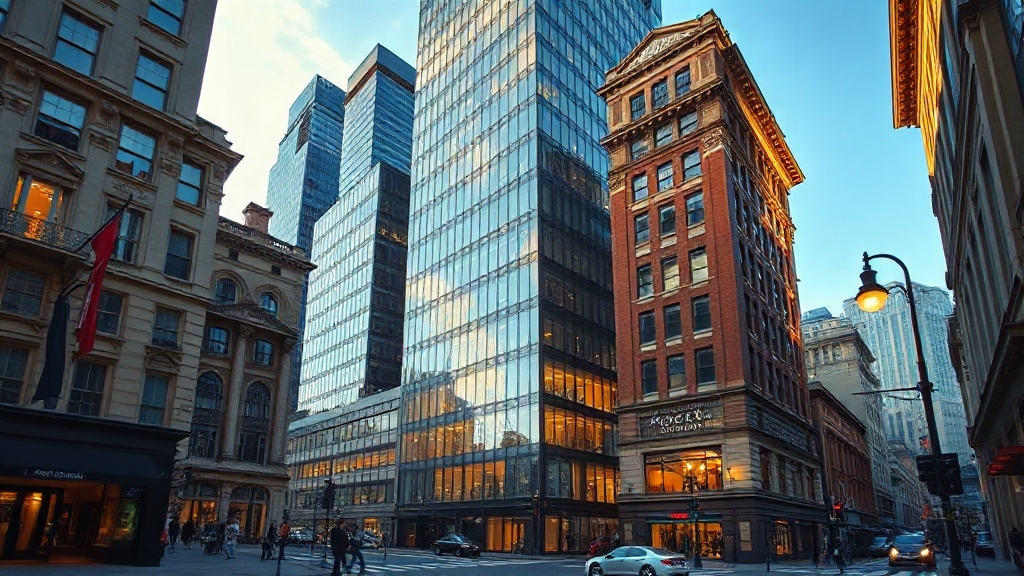
Shadows from Chicago’s Willis Tower grow longer as Midwest multifamily vacancy craters to 4.8%, igniting both investor optimism and deep anxiety.
Soaring demand collides with tightening supply, but the rush for returns conceals a fragile market threatened by surging property taxes and relentless permit delays.
Runaway rent growth, from Lake Shore Drive to Detroit city blocks, may mask volatility beneath.
Investors flirting with Midwest expansion risk being blindsided by legislative shifts or local council actions—discover the unseen dangers in every decision.
Risks and Rewards in Midwest Multifamily Markets
A seismic shift rocks the American multifamily housing scene as vacancy rates plunge to a stark 4.8%, igniting feverish excitement across Chicago’s gleaming skyline and far beyond.
But this excitement comes laced with anxiety, as every move from Lincoln Park to Milwaukee Avenue is shadowed by outsize risk. Fierce competition hunts investors as healthy demand collides with an unyielding supply, making any misstep in property tax assumptions or construction permits a possible fault line for financial catastrophe. Investors exploring stable returns may find value in high dividend yields, a hallmark feature of real estate investment trusts (REITs) compared to other traditional investment vehicles.
Chicago’s market, legendary for the resilience of its River North high-rises, now sits below the national vacancy average. The sheer demand for units, paired with a careful throttle on new construction permits, fuels not just hope but rising fear—can the equilibrium last?
Rent growth, projected at 2.6% into 2025, barely outpaces inflation, sending shivers along the Magnificent Mile. The boom in multifamily investment, up 33% nationwide, threatens to outrun the city’s careful balancing act, as both tax rates and permit regulations strain under mounting deal volume.
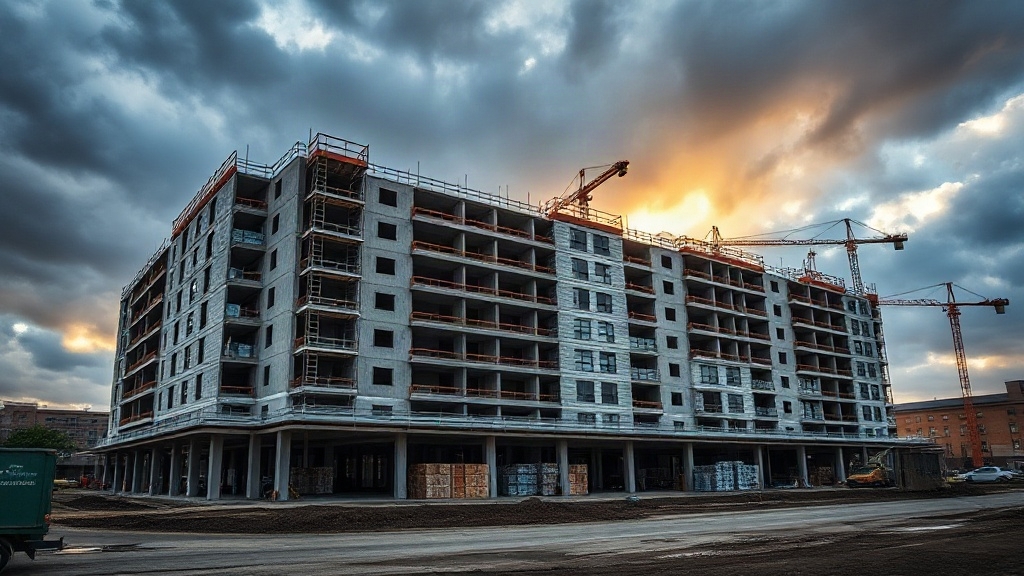
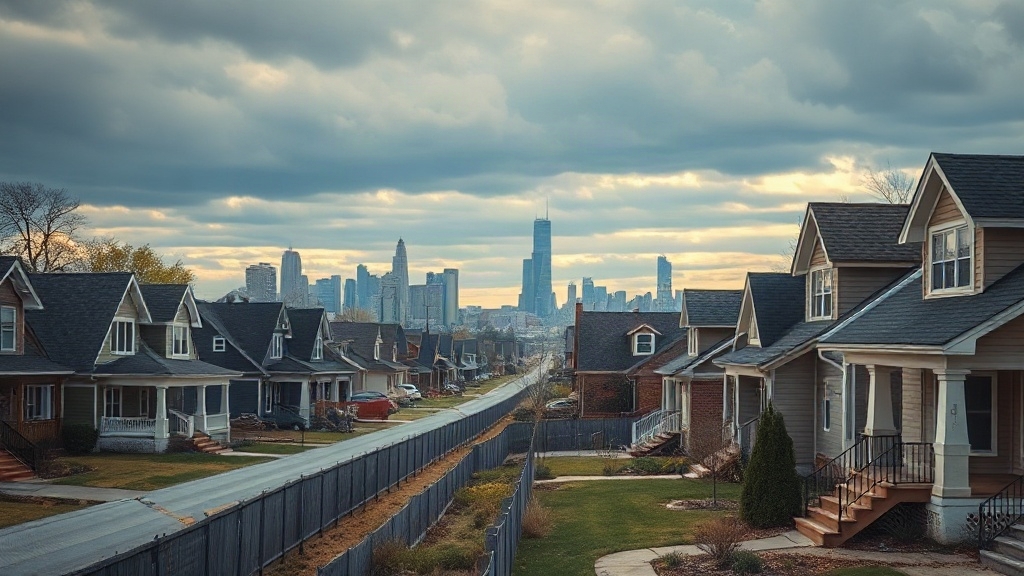
Across the Midwest, investors peer nervously from Detroit’s revitalized downtown to Chicago’s lakefront. The stability that once drew capital looms fragile; overzealous new supply, stifled only by costly property tax burdens and tightening construction permit processes, could topple today’s delicate market balance. Multifamily construction starts are projected to be 74% below their 2021 peak by mid-2025, signaling that development activity is slowing markedly and could ease future concerns about oversupply.
Detroit, long a beacon for affordability, watches closely as rent growth surges. Yet whispers of escalating property tax rates gnaw at investors’ confidence. The narrative of safety flips to peril if local governments raise taxes to shore up struggling budgets.
Institutional capital flows back in with furious velocity, chasing Midwest yield but clashing with city halls over bureaucratic construction permit delays. Months on Michigan Avenue can slip by waiting for approvals, each day eroding cash flow projections and stoking investor dread.
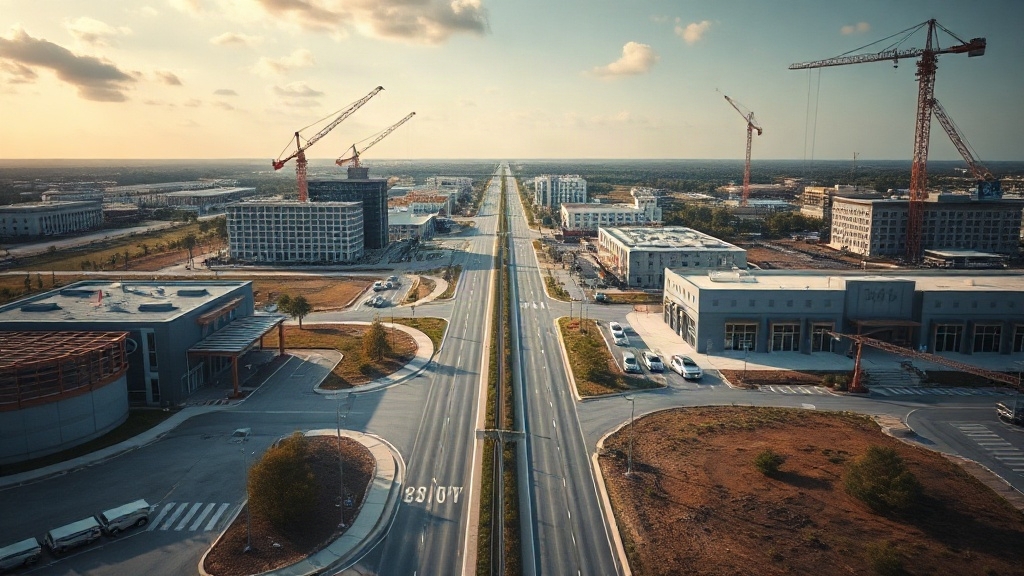
On the Sunbelt’s edge, cities like Atlanta and Nashville serve as cautionary tales. There, aggressive development and easy construction permits have led to crippling oversupply, skyrocketing vacancy rates, and a chilling climate for investors. Chicagoans glance south in fear, dreading the specter of empty glass towers shadowing their Riverwalk.
Demand for multifamily remains brisk, but as spring turns to summer, every delay or increase in property tax can kill a deal in Edgewater or Wicker Park. Strong demand cannot insulate value from unchecked expenses or uncontrolled bureaucracy.
The national market is rebalancing, but stability is fragile and highly regional. Investors with heavy exposure to Chicago’s multifamily must keep laser focus on changes in local property tax codes and shifting standards for construction permits.
A single city council vote can upend carefully crafted returns. Rent growth barely holds above historic lows, and any spike in property tax or permitting delays threatens to erase years of gains in a single quarter.
Chase the excitement, but fear the instability. The slightest disturbance—from City Hall to the Illinois State Capitol—could reshape fortunes overnight, leaving tomorrow’s skyline lined with empty units and vanished equity.

Assessment
As investors glance up at the Gateway Arch, excitement mixes with a touch of caution. With vacancy rates sitting at 4.8%, the margin for error is razor-thin.
Rents are climbing fast, but that rapid growth could be hiding some real volatility across the Midwest. Investors who aren’t keeping a close eye could end up facing some tough losses.
Every percentage point in this market really counts—if you hesitate, you could quickly fall behind. In times like this, it pays to be proactive and ready to make your move.
Don’t wait for the next vacancy report to catch you off guard—stay sharp, act fast, and position yourself to make the most of the Midwest’s surging multifamily market.




















5 Responses
Surprising, isnt it? How can investors cheer when rent surge is making living unaffordable for many? Seems like profit over people, no?
Ever consider its not cheer, but relief? Survival in a tough economy isnt always pretty.
Interesting stats, but arent we just inflating another housing bubble? These rent surges seem unsustainable, dont you think? #MidwestBubble2.0
Is this rent surge really a win? Feels like its just making it harder for average Joe to afford a place. Thoughts?
Surging rent growth? Lets not cheer too loud, folks. Ever thought this might just be pricing out local midwest folks from their own homes?