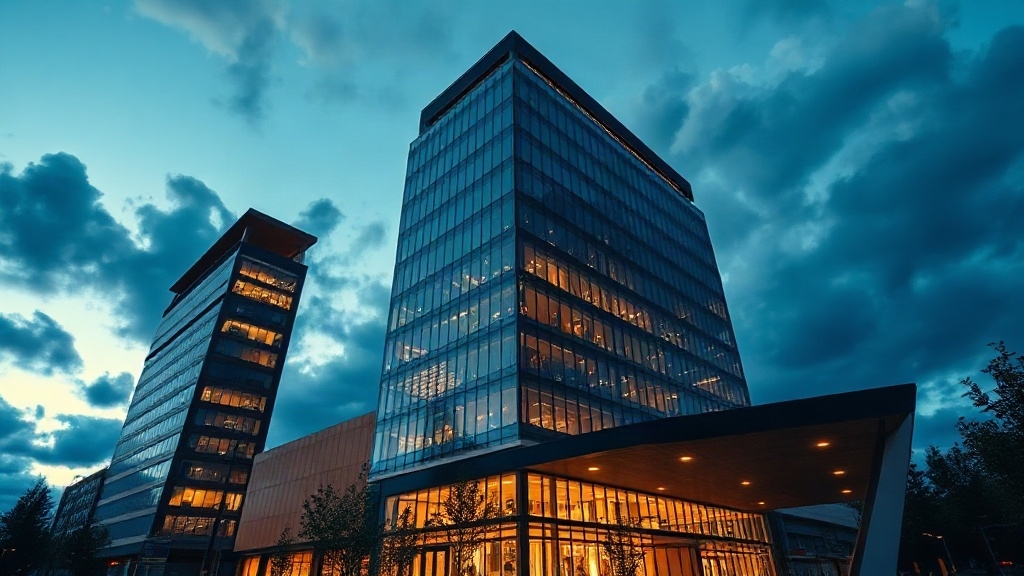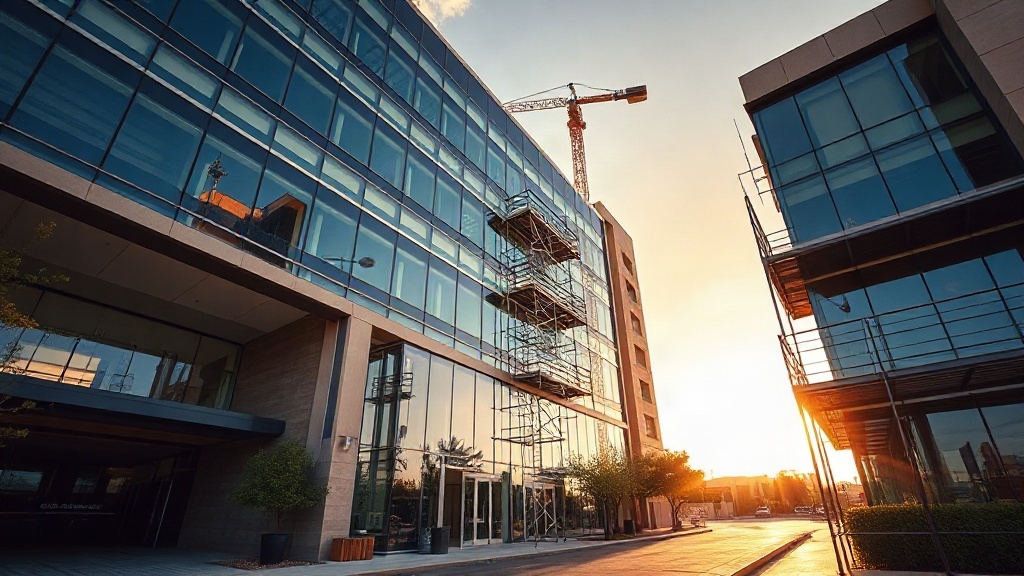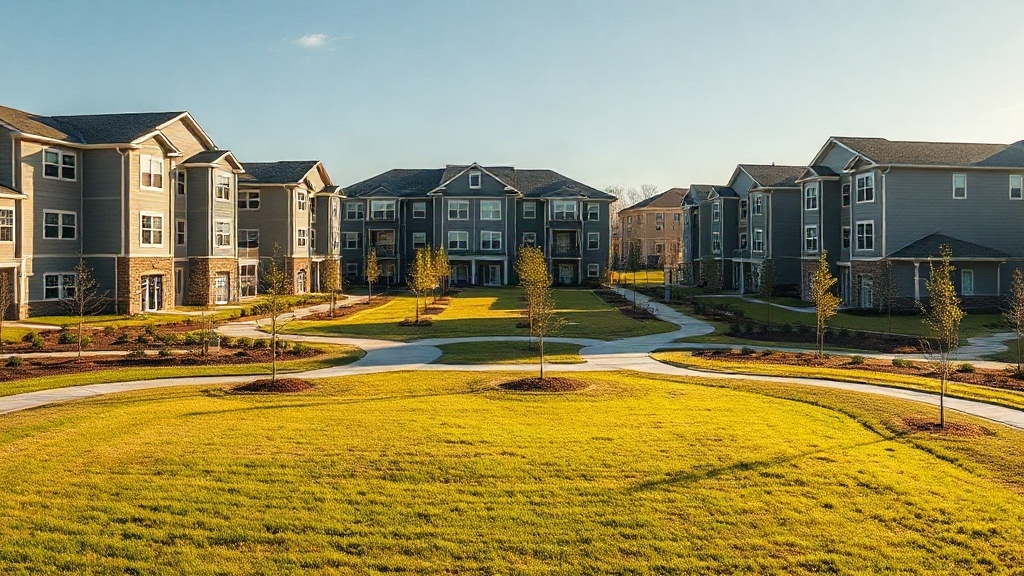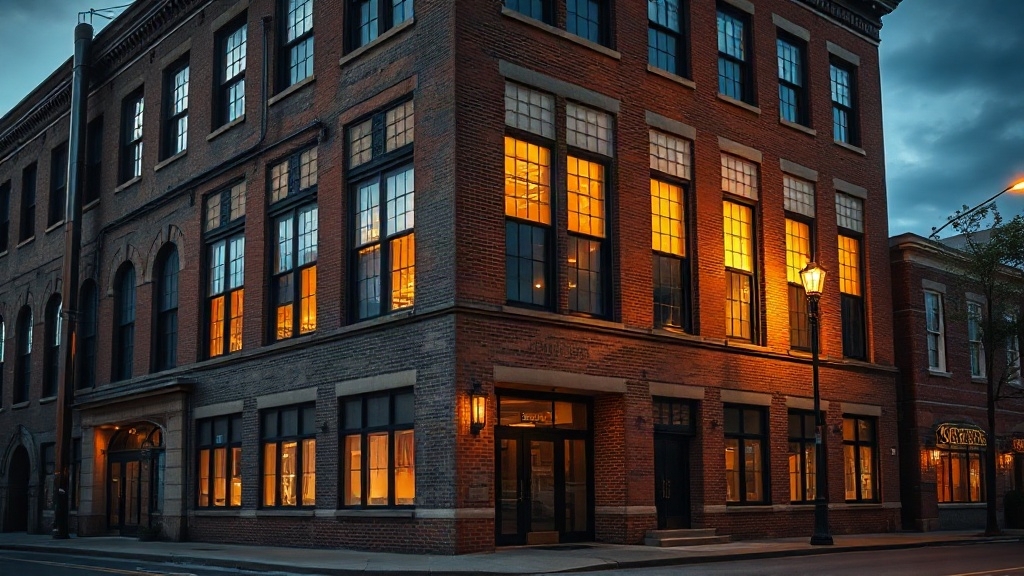


What Albany’s 200-Unit Housing Plan Includes
Three linked housing efforts form the core of Albany’s push to add more than 200 apartments under the broader downtown revitalization strategy in the $400 million Championing Albany’s Potential initiative.
The plan is driven by a $40 million Housing Investment Fund that supports new housing creation, conversions, and redevelopment of underused properties.
It is designed to expand housing options, strengthen a 24-7 downtown population, and encourage private-sector participation.
Officials frame the housing effort as a response to Albany’s housing shortage and as a tool for long-term redevelopment.
Like Seattle’s Birch Grove, the plan reflects broader questions about affordable housing funding, sustainability, and community impact.
The broader CAP framework also ties housing growth to job creation, small business activity, and more energized public spaces.
The strategy aims to triple the Downtown Core residential base to 3,500 by 2035.
Community amenities and resident services are part of the expected outcome.
The strategy also aims to improve neighborhood amenities, parks, and commercial corridor activity across the city.
Which Albany Buildings Are Becoming Apartments
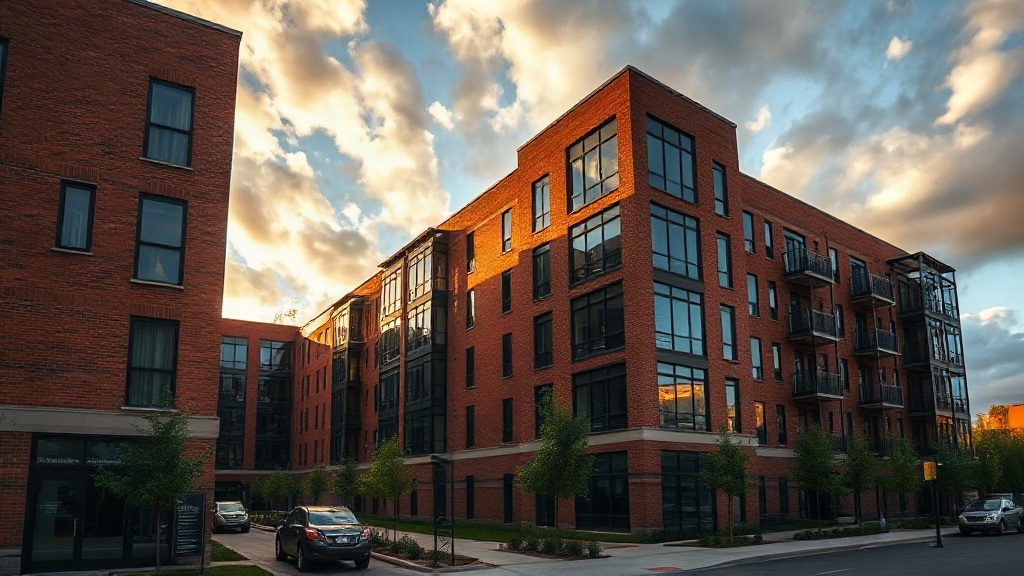
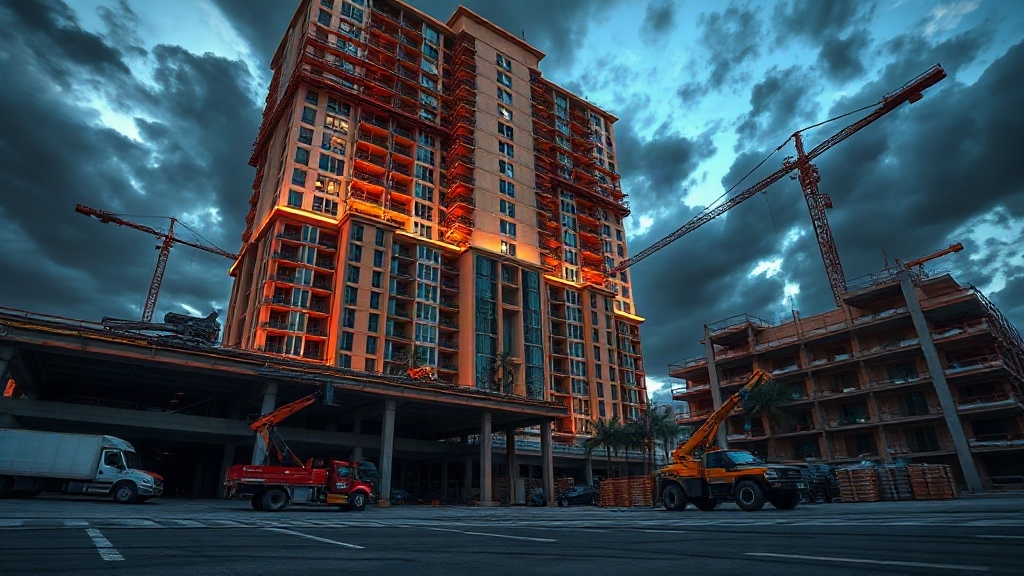
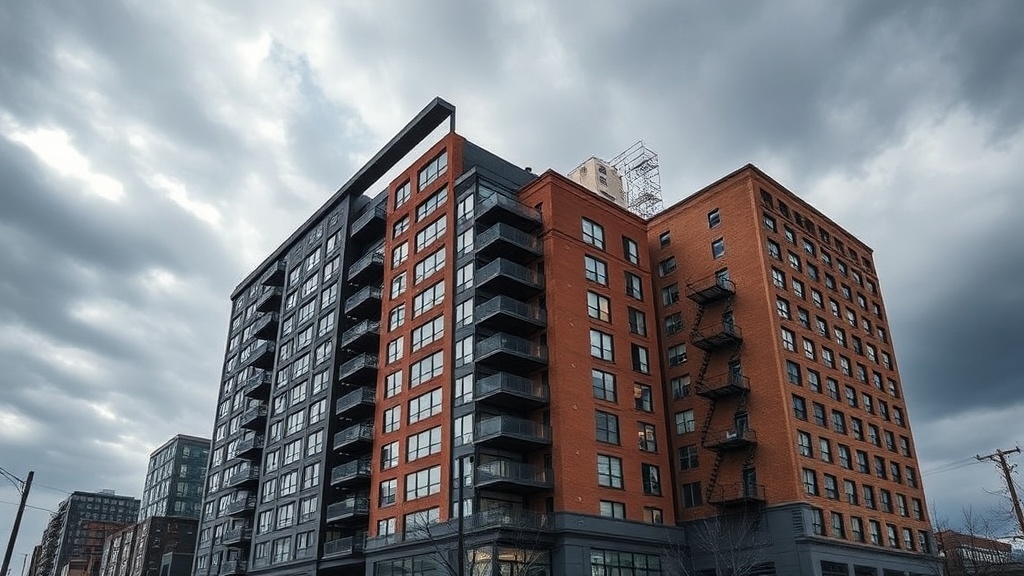
Several Albany properties are being remade into apartments as city officials push housing creation through historic restoration, new construction, and office-to-residential conversion.
The Selfridge and Langford Building anchors that shift through historic preservation, adding 49 affordable apartments and commercial space at a downtown gateway.
Colvin Avenue Commons and the nearby West Hill Neighborhood Complex each add 63 units, expanding housing choices and shaping neighborhood impact.
Recent debate over projects like these has also highlighted housing shortages and the broader tension between development goals and city regulation.
| Property | Apartment plan |
|---|---|
| Selfridge and Langford | 49 affordable units |
| Colvin Avenue Commons | 63 new units |
| Center Street Building | Market-rate apartments |
| West Hill Neighborhood Complex | 63 affordable units |
| Downtown Office Tower | 120 planned units |
The Center Street Building adds market-rate apartments.
A long-vacant downtown office tower is slated for 120 apartments, reflecting Albany’s broader conversion trend.


How Albany Tax Breaks Support Conversions
Albany’s apartment conversions are moving forward with help from unusually large public incentives. The Albany Industrial Development Agency approved $49.9 million in tax breaks for three downtown and midtown projects expected to create more than 200 apartments.
These incentives reduce carrying costs and make complex reuse projects easier to finance. They also help support public-private partnerships that might not otherwise move ahead.
Key Programs
Section 485-a provides tax relief for mixed-use conversions. The exemption can last 12 years from city approval.
Section 421-i lowers taxes on increased assessed value. Its tax credit structure follows an eight-year declining schedule.
A proposed 10% refundable office-to-residential credit would help cover rehabilitation costs. It would apply to qualifying vacant buildings.
Together, these programs are designed to address vacancy and reduce uncertainty. They also strengthen the financial case for adaptive reuse.
Eligibility rules require substantial conversion spending and documented improvements. In some cases, they also require retaining the existing structure.
Assessment
Albany’s planned conversion of three buildings into more than 200 apartments signals a significant shift in how the city is addressing housing pressure.
The project combines adaptive reuse with tax incentives to move stalled or underused properties back into the market.
If completed as outlined, the effort could expand downtown housing supply, reshape vacant space, and test whether public support can accelerate redevelopment without delaying urgently needed units.