

How Much the La Jolla Seuss Home Sold For
Price became the central issue as the La Jolla Seuss home entered the 2026 sales cycle at $9.95 million, just under $10 million, for the 1.51-acre parcel at 7301 Encelia Dr.
That asking figure applied to the residence and land as a final parcel, not the earlier four-parcel compound.
Final Price Structure
The 2026 marketing narrowed the offering to the 5,004-square-foot, four-bedroom, four-bath house on 1.51 acres.
The sale also carried preservation limits because the historic observation tower and office cannot be altered in future renovations.
Reports tied the process to sealed bidding, with offers due by April 15.
Earlier coverage had framed the home at $11.995 million within a broader $18.995 million estate package.
That prior effort did not close.
UC San Diego, the owner, used its real estate process for the sale.
Proceeds were designated for the Geisel Fund at the UC San Diego Foundation.
Why the La Jolla Seuss Home Was So Valuable
Beyond the final sale structure, the La Jolla Seuss home drew extraordinary value from a mix of literary history, protected status, and scarce coastal land.
It was Dr. Seuss’s long-time residence and creative base, where reports say about 42 of his 68 books were written, including *The Cat in the Hat* and *Green Eggs and Ham*.
That connection gave the estate unusual cultural weight, with appeal extending beyond luxury buyers to those interested in legacy and literary tourism.
In the broader 2025 housing market, buyers are also showing rising willingness to pay premiums for energy-efficient living, underscoring how unique lifestyle value can further amplify demand for exceptional homes.
Protected Coastal Asset
City historic designation covers portions of the property, including Seuss’s studio, preserving authenticity and limiting major alteration.
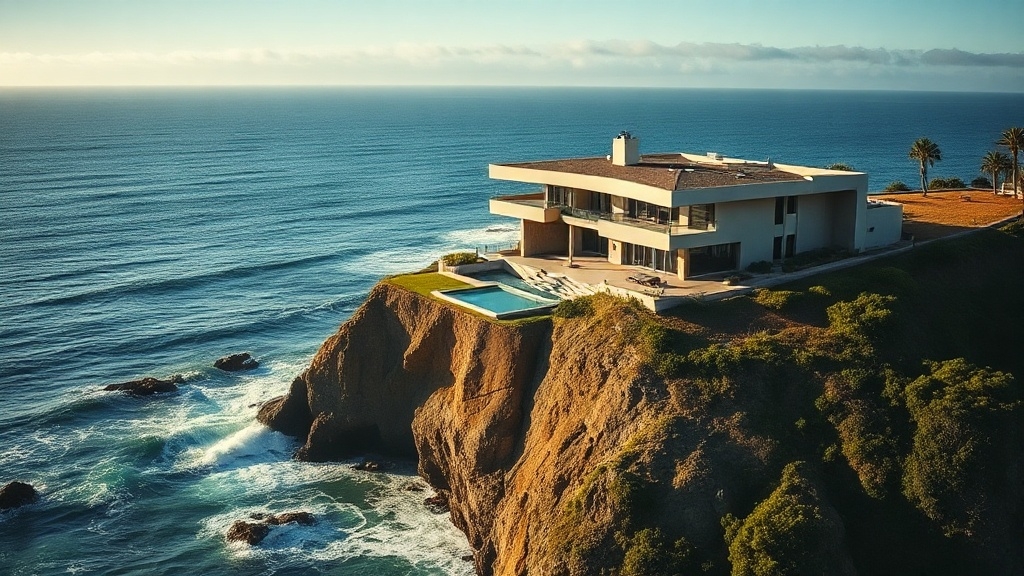
The Mount Soledad site also offered about 4.03 acres, panoramic 270-degree views, privacy, and coastal scarcity.
First-time availability in over 70 years further intensified interest in this rare, institutionally held landmark estate.


Why the La Jolla Seuss Home Sold for Less
Falling expectations shaped the outcome as the La Jolla Seuss home ultimately sold for $9 million, below the most recent $9.95 million sealed-bid asking price. It was also far under the roughly $19 million level tied to earlier 2022 marketing of the full estate.
That earlier campaign failed to draw acceptable offers. This signaled that buyers did not support the initial trophy valuation.
Repeated repricing then established a lower reference point.
In luxury markets like Preston Hollow, elevated inventory can give buyers more leverage and temper trophy-level pricing.
Demand Constraints
Sealed-bid effects also limited upside. A fixed deadline, discretionary acceptance, and earlier cash-only requirements narrowed the buyer pool.
That reduced the chance of open competitive escalation.
Parcel fragmentation further weakened premium pricing.
How UC San Diego Finally Sold the Seuss Home
After the failed 2022 launch, UC San Diego finally sold the Seuss home by restructuring the sale under university-controlled terms.
The university split the estate into separate parcels and used a sealed-bid process tied to the formal disposition rules governing university-owned property.
The university had controlled the property since receiving it from the Geisel Trust in 2019.
That ownership meant the estate was marketed as university-owned, not as a standard private listing.
Parceling Strategy and Bid Process
The first 2022 attempt offered the residence and three additional lots together for $18.995 million, but no offers emerged.
UC San Diego then adopted a parceling strategy, dividing the 4.03-acre estate into four parcels with flexible purchase options.
Later, the undeveloped parcels sold for $9 million.
The house parcel was then remarketed before closing through sealed bid.
Where the Seuss Home Sale Money Goes
Sale proceeds from the La Jolla Seuss home are expected to go to UC San Diego, not to private heirs. The estate was university-owned under the terms of Audrey Geisel’s donation.
Reports indicate the money will be placed in a newly created Geisel Fund within the UC San Diego Foundation. That structure ties the proceeds to the property’s legacy instead of routing them into unrestricted revenue or a general university endowment.
Control and Future Use
The fund is expected to support campus projects, although no fixed list has been released. Coverage says the UC San Diego chancellor will decide which projects receive support.
This keeps control inside the university. Final proceeds depend on the sale structure and required UC regents approval.
Future uses could include campus development, academic priorities, or community outreach efforts.
Assessment
The sale of the La Jolla Seuss home closed a long-delayed chapter for UC San Diego. It also reset expectations for one of the area’s most closely watched trophy properties.
Its final price reflected both the estate’s rarity and the limits of today’s luxury market.
With proceeds directed to university priorities, the transaction underscored how even iconic homes can face pricing pressure. It also showed how prolonged exposure and difficult adjustments can delay a sale before a buyer finally emerges.