

What Happened in This Russian River Sale?
After a 50-year family hold, a single-family home on the Russian River in Guerneville, Sonoma County, changed hands at a $495,000 listing price. The sale marked the end of an unusually long ownership period in a cooling regional market. Buyers seeking similar properties can use the Search for Homes option on Russian River Real Estate.
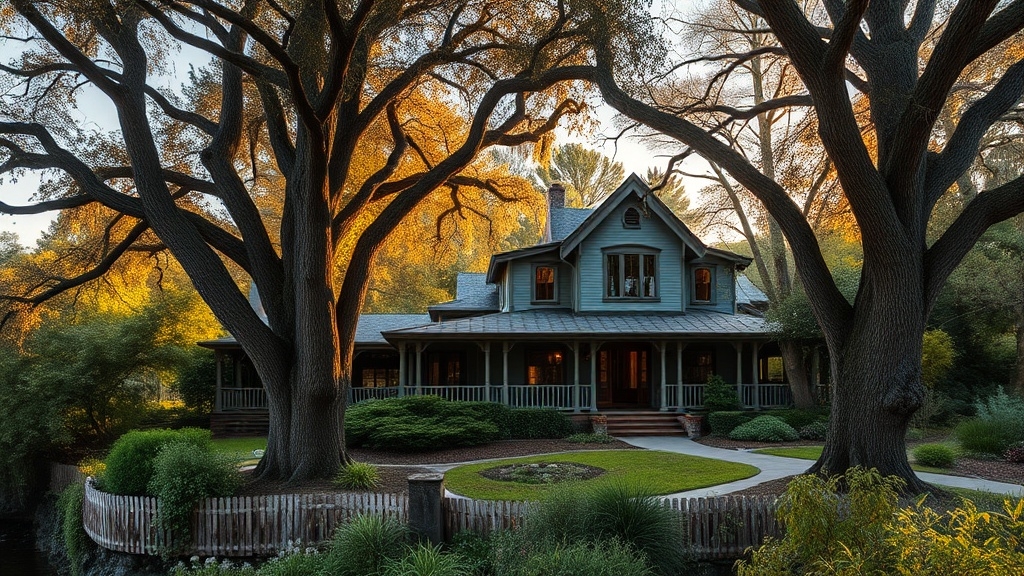
The ownership shift involved a 1971-built, single-story residence with 2 bedrooms, 2 bathrooms, and 1,040 square feet. It sits on a 6,000-square-foot lot.
Property and Market Signals
The house included a fireplace, with all finished space above grade. Its price worked out to about $476 per square foot. Similar to debates around heritage conservation in other historic-home markets, long-held properties can carry added emotional and cultural value beyond their sale price.
Local market sentiment remained cautious, as the regional median sales price stood at $577,000. That was down 3% from first-quarter 2025 levels.
The transfer also reflected legacy preservation concerns often tied to long-held family properties. At the same time, river access and the Sonoma County location supported continued buyer interest.
Why Did 50 Years of Ownership Matter?
Over five decades, the Guerneville property likely accumulated substantial value while avoiding the repeated costs that come with frequent sales, including commissions, closing expenses, and transfer-related fees.
That extended hold also suggests a disciplined long-term strategy, allowing ownership to outlast economic cycles while building wealth more steadily than short-term trading.
In contrast, markets facing 11.8% rent growth and tightening vacancies can make long-term housing stability far harder to achieve for newer residents.
Family and Land Pressures Intensified
Fifty years of ownership also points to a deep family legacy, with the home serving as a setting for memories, continuity, and intergenerational ties.
At the same time, such longevity often reflects ecological stewardship.
Limited turnover and restrained development can help preserve vegetation, soil stability, wildlife habitat, and seasonal riverbank patterns.
In that sense, the sale marked more than a transaction.
It closed a long chapter defined by continuity, conservation, and community presence.


How Did the Russian River Market Affect Price?
Shaped by concentrated demand in the mid-range, the Russian River market likely placed the property’s strongest pricing support near the regional median rather than in the thinly traded luxury tier.
With the median sale price at $549,000 and steady activity from $500,000 to $625,000, pricing strength appeared greatest where buyer density was highest.
That concentration reduced market sensitivity for well-positioned listings in the lower $600,000s. It also increased price elasticity above $700,000, where transaction activity slowed sharply.
Inventory rose to 148 homes from 129 in three weeks, and 16 price reductions signaled more active negotiation.
A 76-day median market time, despite a yearly improvement, suggested buyers still had leverage.
In that setting, a sale aligned near the active demand band would likely outperform aspirational pricing.
Which Russian River Features Drew Buyer Interest?
River frontage stood at the center of buyer attention in the Russian River corridor. Direct access and documented dock potential separated high-interest properties from homes that offered only nearby water.
Buyers also favored easy walk-to-beach routes, outdoor spaces facing the river, and the possibility of a private dock for seasonal use.
Flat, usable land strengthened both emotional connection and practical appeal. Staged decks, patios, porches, and tidy landscaping also increased interest.
| Feature | Buyer response | Feeling |
|---|---|---|
| Direct frontage | Strong competition | Urgency |
| Usable decks | More showings | Comfort |
| Privacy | Clear differentiation | Relief |
Privacy And Practical Filters
Privacy, guest parking, and updated septic or roof systems helped narrow choices. Clear site access, flood records, and legally usable guest space reduced friction.
Redwoods, wineries, and nearby recreation further deepened the lifestyle appeal.
What Does This Russian River Sale Signal Next?
Fresh turnover of a home held for 50 years points to a meaningful shift in the Russian River market.
The transaction suggests long-held inventory may finally be loosening. It gives legacy sellers a reason to test pricing after years of low turnover.
It also hints at a market reset. Unusually large appreciation gaps can reframe neighborhood expectations.
Signals Emerging
- More inherited or aging-owner properties may list. Estate planning, liquidity needs, and Proposition 19 relocation options may add urgency.
- Buyers are likely to scrutinize flood exposure, permit history, and PRMD compliance more closely during escrow.
- New ownership may bring capital improvements, hazard-mitigation upgrades, and broader investor interest in resilient riverfront assets.
Tax outcomes will vary.
Primary-residence exclusions, replacement-property timing, and filing deadlines may strongly influence seller behavior and net proceeds.
Assessment
The sale closed a rare 50-year ownership chapter in California’s Russian River corridor. It underscored how tightly held homes can re-enter the market with outsized buyer interest.
Its pricing reflected both local scarcity and the enduring pull of river access, redwood surroundings, and retreat-style living.
The transaction points to continued pressure on limited inventory in the region. It also signals that long-held properties may emerge as closely watched indicators of shifting demand, value resilience, and competitive conditions.