

What’s Nearing Completion in Alphabet City?
Several housing projects are advancing toward key completion milestones in Alphabet City, underscoring a period of concentrated residential expansion across the neighborhood.
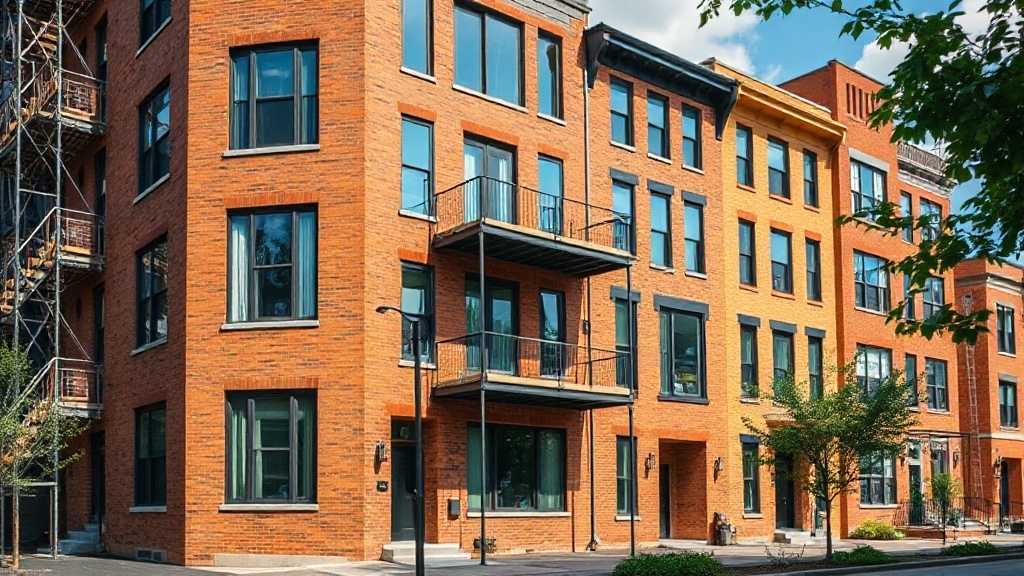
One prominent project nearing delivery is 204 Avenue A, a seven-story affordable housing building near East 12th and East 13th Streets.
Developed by NYC Housing Preservation and Development and designed by Shakespeare Gordon Vlado Architects, it spans 14,029 square feet on a narrow interior lot.
Plans include 10 co-op apartments averaging 930 square feet, plus ground-floor commercial space, rooftop recreation space, and a 34-foot rear yard.
Elsewhere in the neighborhood, recent lottery and pipeline activity indicates continued momentum and shifting construction timelines. At 79 Avenue D, a 28-unit lottery launched for affordable apartments ranging from $596 per month studios to $2,519 two-bedrooms.
Alphabet City has seen affordable offerings at 79 Avenue D and a renovated co-op cluster, while broader development patterns increasingly include varied interior layouts and higher-end housing.
What’s Planned at 644 East 14th Street?
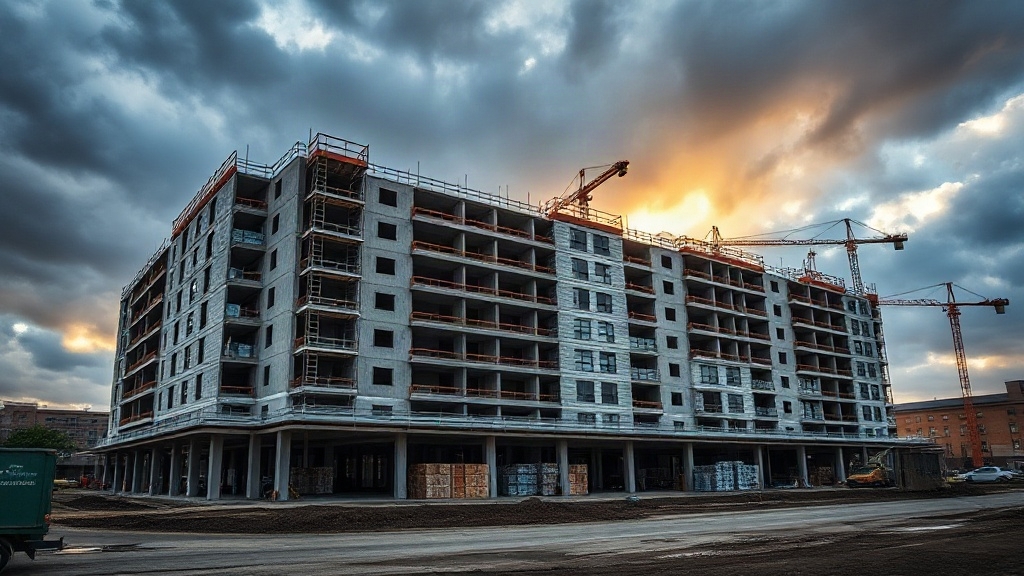
At 644 East 14th Street, a major residential project known as The East is approaching completion at the corner of Avenue C. It marks the arrival of a 24-story mixed-use tower in Alphabet City.
Recent coverage links the roughly 200,000-square-foot development to Madison Realty Capital. It describes a rental program centered on 196 apartments, although some leasing materials cite 197 units. Similar to Dallas’s Class A amenities trend in major developments, the project emphasizes lifestyle features aimed at boosting tenant appeal.
Residential Program
The planned homes range from studios to two-bedrooms. The project also includes a mixed-income component with affordable housing through a later lottery release.
Planned tenant amenities include a fitness center, tenant lounge, co-working space, and a furnished roof deck with East River views.
Street-Level Uses
The building also includes ground-floor retail. That adds a commercial component beneath the new residential tower now entering its final construction phase.

How Does Alphabet City Fit NYC’s Housing Boom?
Rising eastward, Alphabet City has become part of New York City’s broader housing surge. Development pressure is pushing beyond the core East Village toward Avenue D and the East River.
New condominiums, co-ops, and rentals place the neighborhood within a widening market spillover zone. Developers increasingly treat it as a frontier where lower entry costs meet rising demand.
That pattern has accelerated reinvestment, retail activity, and demographic shifts. Similar pressures seen in Raleigh reflect how debates over single-family covenants and density are shaping neighborhood change far beyond one city.
Signals of Change
| Signal | Feeling |
|---|---|
| New buildings rise | Unease |
| Older walk-ups remain | Memory |
| Retail moves east | Tension |
| Prices keep climbing | Pressure |
Historical tenements still define many blocks. Yet newer luxury formats now compete for space and attention.
The result is a mixed-income scene that mirrors New York’s larger boom. It also exposes the strain of rapid neighborhood change.
How Affordable Is Alphabet City Housing?
Alphabet City housing remains difficult to classify as affordable on the open market. Average asking rent is about $3,164 per month, and even lower-end listings commonly begin near or above $3,000.
Studios average about $2,918, one-bedrooms $3,164, two-bedrooms $4,121, and three-bedrooms $4,864. Current low-end listings still start around $2,780 for studios and climb much higher for larger units.
Lottery Relief With Restrictions
Affordable options appear mainly through subsidized programs rather than standard listings. At 79 Avenue D, 28 lottery apartments were priced from $596 for studios to $2,519 for two-bedrooms.
That pricing is far below prevailing rents, but income eligibility rules limit who can apply. Lottery access is tied to area median income bands, household size, and application requirements, making affordability uneven across the neighborhood.
What Does This Mean for Alphabet City Renters?
For renters in Alphabet City, the near-term impact depends less on the arrival of new housing alone and more on whether an apartment is rent-stabilized, otherwise regulated, or fully exposed to market pricing.
Regulated units may limit immediate rent shock. Unregulated apartments remain more vulnerable to repricing.
New supply can modestly ease rents nearby. Neighborhood turnover may still intensify indirect pressure.
Research suggests new construction does not automatically raise nearby rents and can lower them in some cases.
Still, effects vary by building type, condition, and landlord behavior. Tenant protections matter because completed projects usually affect existing renters through turnover, renovations, and new neighborhood benchmarks over time.
In a district already shaped by gentrification, long-term security often depends on enforcement, building status, and whether renewal pressures grow as development pushes farther east.
Assessment
Alphabet City’s nearing housing delivery reflects the city’s larger push to add units under mounting supply pressure.
At 644 East 14th Street, new development is positioned to bring additional apartments, including income-restricted housing, into a high-cost neighborhood.
For renters, the impact is likely to be limited but meaningful, especially as vacancy remains tight and affordability strained.
The project underscores a broader reality.
Even as new buildings open, demand in Manhattan continues to outpace accessible housing supply.