


How the Silver Tsunami Is Changing Condo Supply
Amid a fast-rising wave of older Americans, condo supply is being reshaped by a severe shortage in senior housing. Net absorption has outpaced new supply for 18 straight quarters, and inventory growth in 2025 slowed to about 1%, the weakest rate since 2006. The shortage is especially acute in senior-friendly housing, where demand already exceeds supply and is projected to require hundreds of thousands of additional units by 2030.
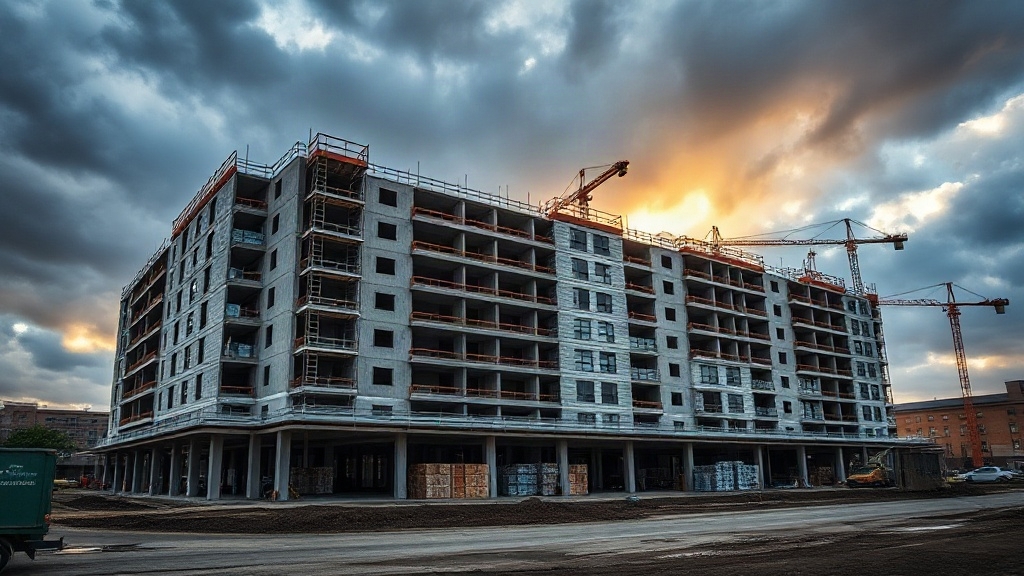
Construction has stalled sharply. Starts are down 77% in primary markets and 62% in secondary ones. U.S. housing supply remains constrained by a 4.03 million-home deficit.
Fewer than 1,400 units opened in the third quarter of 2025, showing a seized pipeline.
Demographic Pressure Builds
Meanwhile, the population aged 80 and older is projected to rise 36.6% over the next decade. Occupancy has rebounded to about 90%, signaling persistent needs-based demand.
These pressures increasingly steer condo supply toward age-friendly design and layouts suited to multigenerational cohabitation. The market faces a widening mismatch as senior-oriented demand accelerates faster than available housing stock.
Why Boomers Are Buying More Condos
In place of traditional retirement patterns, more baby boomers are turning to condos. They’re seeking simpler, maintenance-free living with fewer physical demands and fewer ongoing repair obligations.
Three factors stand out.
1. Maintenance freedom removes lawn care, snow shoveling, painting, and many repair burdens.
2. Accessible design supports one-floor living, open layouts, and mobility needs.
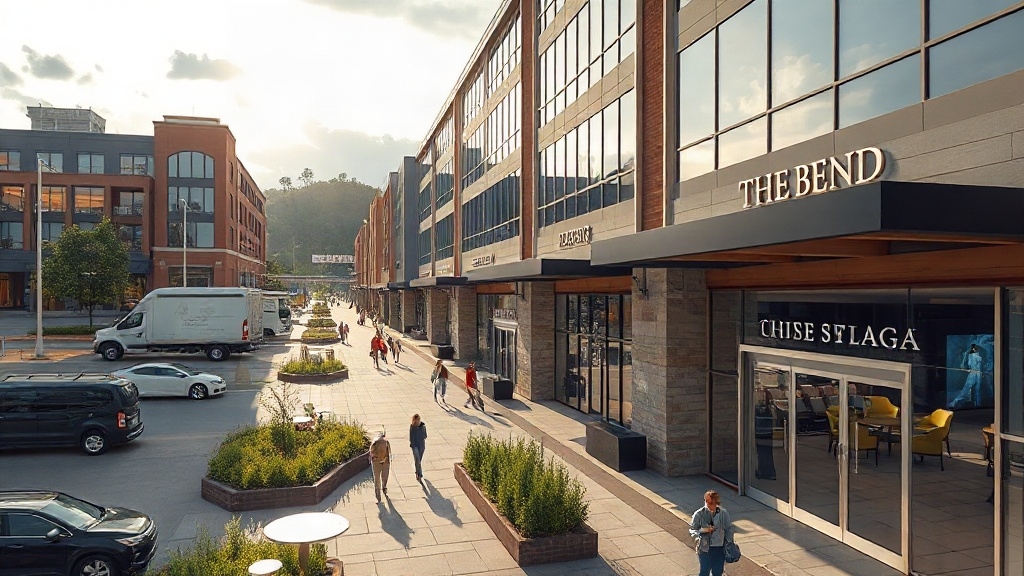
3. Location advantages place shopping, dining, transit, and recreation within easier reach. Condos also align with changing retirement identities.
Many boomers want to travel, exercise, and spend more time with family. They would rather do that than manage large properties.
This shift comes as senior rentals have surged 30% over the past decade while homeownership rates have declined in some markets.
Newer buildings may include heating and cooling costs in monthly fees. That can reduce household oversight.
Two-bedroom layouts with a den remain popular among empty nesters. They still want flexible, comfortable space without stairs or excessive upkeep.


How Boomer Equity Fuels Condo Market Sales
Backed by extraordinary housing wealth, baby boomers are exerting outsized influence on condo sales through cash-heavy purchases.
With roughly $18 trillion to $19 trillion in real estate wealth and nearly half of national housing wealth, this cohort can move quickly. More than half of older boomers and 40% of younger boomers buy homes with cash, supporting direct condo transactions.
Cash Advantage Reshapes Deal Flow
Cash recycling from longtime homeownership reduces mortgage dependence and financing delays.
Only 49% of older boomers needed a mortgage for their next home, versus more than 90% of buyers under 44.
That liquidity strengthens negotiating leverage and insulates purchases from interest rate pressure.
In metro areas where retiree equity is concentrated, especially in Florida, legacy monetization through home sales channels substantial capital into condo purchases.
Where Condo Prices May Rise or Cool
Several condo markets are now splitting sharply, with luxury towers and supply-constrained northern cities holding firmer. Meanwhile, parts of Florida and the broader Sunbelt continue to weaken.
High-end units remain an exception. Closed sales above $5 million rose 19 percent, and million-dollar-plus prices climbed 14 percent.
Boutique buildings with concierge services, fitness centers, and retirement amenities are still posting modest gains.
- Northeast and Midwest cities are holding value because inventory remains tight.
- Florida markets have seen drops of 11 percent or more where oversupply is severe.
- Atlanta prices fell 4 percent as Sunbelt inventory pressured demand.
Nationally, condo prices slipped modestly, yet signs of stabilization are emerging. Limited completions in 2026 may support firmer pricing in constrained areas.
Mortgage rates and tax implications continue shaping affordability and valuation.
Which Condo Markets May See More Demand
Where demand firms next may depend heavily on aging homeowners clustering in retirement-friendly, inventory-tight metros.
Tucson leads major metros, with 41.9% of homeowners in the late-50s-to-late-70s range.
Tampa-St. Petersburg-Clearwater follows at 40.1%, while Jacksonville reaches 39.6%.
These retirement hotspots reflect climate migration and suggest stronger condo demand as owners downsize.
Secondary Demand Zones
Rust Belt metros also stand out.
Pittsburgh and Cleveland each report about 39% boomer homeowner concentration, supporting future interest in managed condo living amid limited inventory.
In Cincinnati, downsizing boomers are already driving high-end condo absorption, as elevated rents make ownership more attractive.
Beyond the United States, Montreal, Vancouver, Toronto, and Calgary show similar patterns.
Nationally, one in three boomers expects to sell and move, reinforcing condos as a likely landing point.
Assessment
Boomer buying power is exerting a decisive force on the condo market. As older homeowners release large stores of equity, demand is shifting toward lower-maintenance properties in both urban and lifestyle-driven regions.
That pressure may tighten supply and support prices in selected markets. Areas with insurance, fee, or oversupply risks may still face uneven results.
The result is a more segmented condo environment. It is shaped less by broad trends and more by demographic wealth, location, and carrying costs.