

United States Real Estate Investor

United States Real Estate Investor

United States Real Estate Investor

United States Real Estate Investor

United States Real Estate Investor

United States Real Estate Investor

Phoenix Salt River Plan Targets 4 Key Parcels

Article Context

This article is published by United States Real Estate Investor®, an educational media platform that helps beginners learn how to achieve financial freedom through real estate investing while keeping advanced investors informed with high-value industry insight.

  • Topic: Beginner-focused real estate investing education
  • Audience: New and aspiring United States investors
  • Purpose: Explain market conditions, risks, and strategies in clear, practical terms
  • Geographic focus: United States housing and investment markets
  • Content type: Educational analysis and investor guidance
  • Update relevance: Reflects conditions and data current as of publication date

This article provides factual explanations, definitions, and strategy insights designed to help readers understand how investing works and how decisions impact long-term financial outcomes.

Last updated: August 8, 2026

PLATFORM DISCLAIMER: To support our mission to provide valuable resources and insights, United States Real Estate Investor may earn affiliate commissions from links or advertising featured in our content. Images are for informational and entertainment purposes only and may not be fully representative of people or places.

United States Real Estate Investor®
phoenix targets four parcels
Could Phoenix’s Salt River plan unlock four pivotal parcels while confronting water, growth, and recreation tensions?
United States Real Estate Investor®
For the neglected and under-served community of investors. CCG - Consumer Cooperative Group
Get your FREE checklist now!
United States Real Estate Investor®

United States Real Estate Investor® News

Where Are the Four Salt River Parcels?

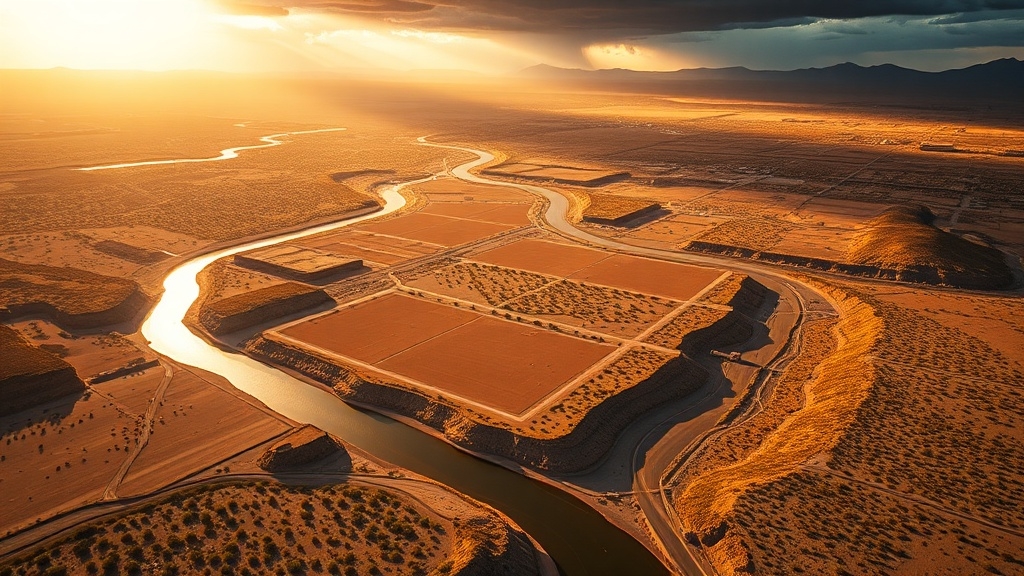
Along an 18-mile stretch of the Lower Salt River near Mesa, the four parcels are tied to the Water Users, Blue Point, Goldfield, and Coon Bluff recreation corridors within the Tonto National Forest. They sit about 40 minutes east of downtown Phoenix. A recreational day pass is required for Lower Salt River access.

These areas are northeast of Mesa in the broader Salt River Project service region. They span parts of Maricopa and Gila counties. Regional planning discussions increasingly reflect water restrictions that are reshaping development and land-use decisions across Arizona.

The corridor follows a key section of Arizona’s largest tributary to the Gila River. It is commonly reached from Bush Highway.

Access and Setting

Water Users serves as the main launch for tubing. Blue Point and Goldfield are major downstream exit areas.

Coon Bluff extends beyond the busiest float route. It is known for quieter river access and better chances of seeing wild horses nearby.

What’s Planned for the Four Parcels?

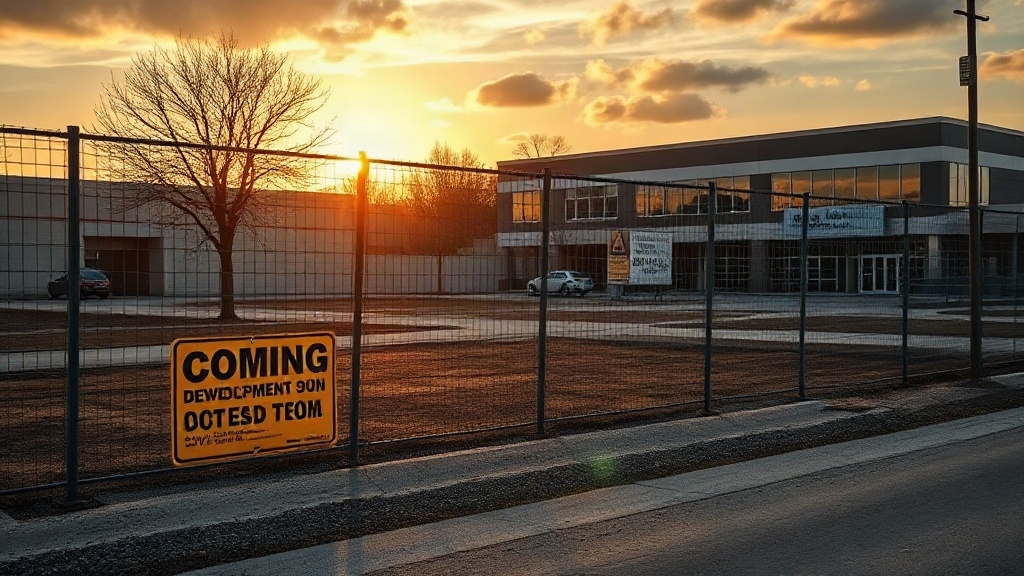
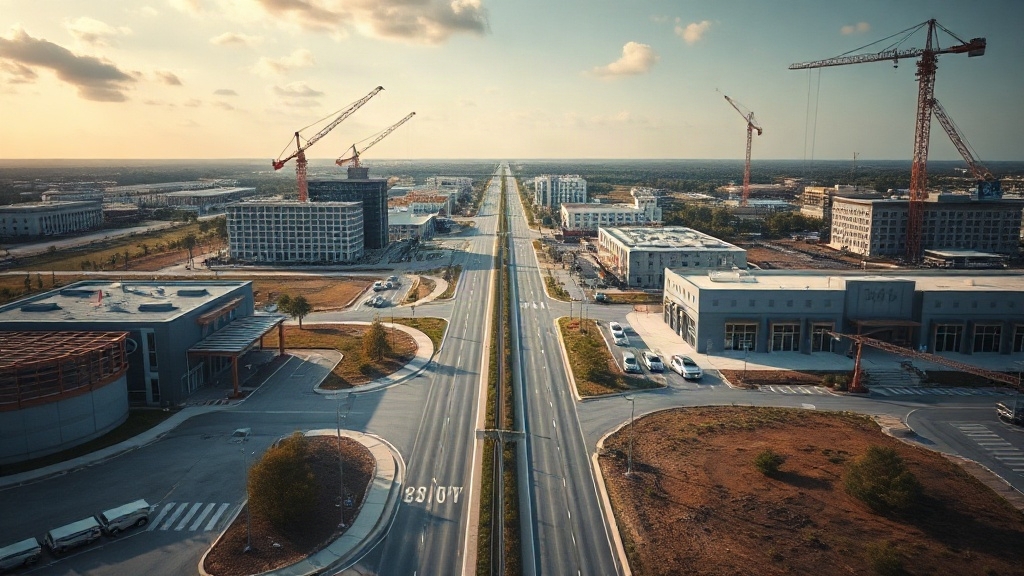
Plans for the four parcels focus on a mixed-use buildout along the Salt River corridor. The vision combines housing, commercial activity, employment space, recreation, and habitat restoration.

One major housing component calls for up to 1,400 homes at 64th Street and Mayo. It is planned as a walkable master-planned community with potential for affordable housing and stronger transit connections.

Commercial and Job Zones Expand

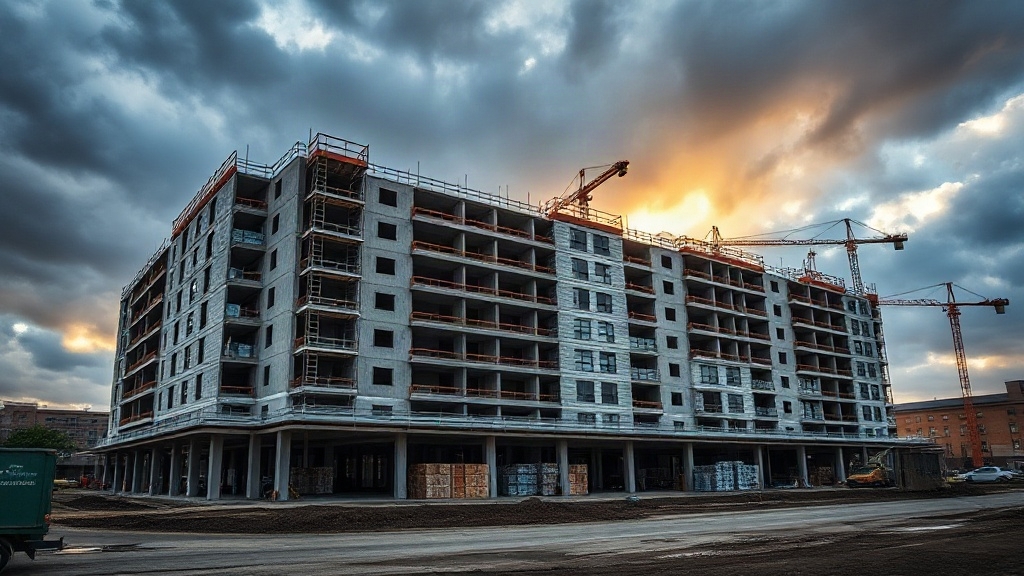
Parcel A is set aside for neighborhood-serving retail, restaurants, services, and possible hospitality uses. Parcel B, along Lower Buckeye Road, is targeted for high-quality employment uses supported by nearby commercial amenities. Similar large-scale projects elsewhere, including Orlando’s $61.26 million construction loan, reflect how mixed-use development is being financed amid broader growth and market concerns.

Additional tribal land near State Routes 101 and 202 is reserved for larger commercial and tourism projects. Those concepts could include a possible gaming venue.

Restoration Remains Central

Recreation, art, floodplain stewardship, and habitat preservation remain central to the broader Rio Salado vision.

United States Real Estate Investor® Books

How Would New Housing Affect Salt River Water Use?

Rising residential density on the four Salt River parcels would increase total water demand. Phoenix estimates about 0.36 acre-feet per Equivalent Dwelling Unit in Off-Project areas.

That estimate comes from historical Water Services Department usage data. It points to higher aggregate demand as housing units rise.

Urban form, site layout, and development intensity would shape how much water is ultimately consumed across the service area.

Climate Exposure and Funding Strain

The added demand would arrive as climate variability increases supply risk in the Salt and Verde watersheds. Because the Salt River Project remains a major source of drinking and irrigation water, uncertain runoff patterns complicate long-term planning for new housing.

Phoenix uses a Water Resources Acquisition Impact Fee to help secure additional supplies and fund related infrastructure. During drought, curtail demand and use avoidance measures could also restrict water availability.

How Could the Parcels Grow Jobs, Tourism, and Recreation?

Beyond water demand, the four Salt River parcels could also become economic engines if redevelopment aligns with utility capacity, corridor planning, and regional investment goals.

Salt River Project already anchors regional utility service, and its Phoenix positions paying $75,000 to $97,500 illustrate the type of workforce development linked to infrastructure-led growth.

Arizona added 6,400 non-farm jobs in December 2025 and posted year-over-year growth above the national rate.

Tourism and Recreation Pressure

RIO PHX seeks to turn the 20-mile Rio Salado corridor into a destination for businesses, residents, and tourists.

That framework could support visitor activity through heritage trails, river access, and recreation-oriented land use.

Renewable partnerships such as Brittlebush Solar Park also strengthen sustainable industrial expansion.

Corridor investment is expected to multiply benefits across tourism, recreation, and regional business activity.

Assessment

Phoenix’s Salt River strategy centers on four pivotal parcels that could reshape land use, housing capacity, and economic activity along a highly visible corridor.

The plan signals pressure on infrastructure, water planning, and public access. It also opens room for new residences, employers, and visitor-oriented development.

Its long-term impact will depend on execution and entitlement decisions. It will also hinge on whether city leaders can balance growth demands with river-adjacent constraints, fiscal realities, and the region’s intensifying land and resource pressures.

United States Real Estate Investor®

Leave a Reply

Your email address will not be published. Required fields are marked *

Thank you for visiting United States Real Estate Investor.

United States Real Estate Investor®

Information Disclaimer

The information, opinions, and insights presented on United States Real Estate Investor are intended to educate and inform our readers about the dynamic world of real estate investing in the United States.

While we strive to provide accurate, up-to-date, and reliable information, we encourage readers to consult with professional real estate advisors, financial experts, or legal counsel before making any investment decisions.

Our team of expert writers, researchers, and contributors work diligently to gather information from credible sources. However, the real estate market is subject to fluctuations, changes, and unforeseen events.

United States Real Estate Investor cannot guarantee the completeness or accuracy of the information presented, nor can we be held responsible for any actions taken based on the content found on our website.

We may include links to third-party websites, products, or services.

These links are provided for convenience and do not constitute an endorsement or approval by United States Real Estate Investor.

We are not responsible for the content, privacy policies, or practices of any third-party sites.

Opinions expressed by contributors are their own and do not necessarily reflect the views or policies of United States Real Estate Investor.

We welcome diverse perspectives and encourage healthy debate and discussion.

By accessing and using the content on United States Real Estate Investor, you agree to this disclaimer and acknowledge that the information provided is for informational and educational purposes only.

If you have any questions, concerns, or feedback, please feel free to visit our contact page.

United States Real Estate Investor.

United States Real Estate Investor®
Picture of United States Real Estate Investor®
United States Real Estate Investor®

Helping you learn how to achieve financial freedom through real estate investing.

Don't miss out on the value

Join our thousands of subscribers

Subscribe to our newsletter to learn how to attract clients, close deals faster, and a lot more!

United States Real Estate Investor logo
United States Real Estate Investor®
Launch Control Real Estate Investing SMS Text Messaging
United States Real Estate Investor®

This is the easiest way to know the industry.
The Ultimate Real Estate Investing Glossary

United States Real Estate Investor®

More content

United States Real Estate Investor®

notice!

Web & Social yearly Package

Please, have ad set files ready before purchase.

Please, be aware that after your purchase on the Stripe payment portal, keep your browser open; You will be automatically redirected to the ad set submission page.

notice!

Web & Social Monthly Package

Please, have ad set files ready before purchase.

Please, be aware that after your purchase on the Stripe payment portal, keep your browser open; You will be automatically redirected to the ad set submission page.