

When Can an Arizona HOA Foreclose in 2025?
Often, an Arizona planned-community HOA in 2025 may foreclose its assessment lien only after a sharply higher statutory threshold is met.
Effective September 26, 2025, the association’s common-expense lien may be foreclosed only when any assessment or portion of an assessment has remained delinquent for 18 months, or unpaid assessments total $10,000, whichever occurs first at filing.
This replaced the former 1-year or $1,200 standard.
It is widely described as a major curb on planned-community foreclosure timelines.
Amounts That Count
Only unpaid assessments count toward the $10,000 threshold.
Late fees, interest, attorney fees, collection costs, fines, and penalties do not count.
The association must also give advance notice, make reasonable communication efforts, and offer a reasonable payment plan before filing. These notice and communication steps reflect broader 2025 compliance trends that emphasize consumer protection and clear disclosures before severe enforcement action.
Because Arizona requires judicial foreclosure in Superior Court, these prerequisites can shape homeowner defenses. The HOA’s lien is also generally junior to a first mortgage or deed of trust.
When Can a Planned-Community HOA Foreclose?
Arizona planned-community HOAs may foreclose an assessment lien only through a judicial foreclosure action, and only after the statutory delinquency threshold is satisfied under A.R.S. § 33-1807.
This judicial procedure requires filing a lawsuit in Superior Court.
Nonjudicial foreclosure is not permitted for these liens.
Like the litigation surrounding Richmond’s Diamond District redevelopment, legal disputes over property rights can create prolonged uncertainty and significant financial consequences.
Higher Statutory Thresholds Now Control
Effective September 26, 2025, foreclosure is allowed only when unpaid assessments are delinquent for 18 months or more, or total $10,000 or more, whichever happens first.
These statutory thresholds are measured when the foreclosure case is filed.
Only unpaid assessments count toward the $10,000 amount.
Late fees, interest, collection charges, and attorney fees do not count.
Required Steps Before Filing
Before foreclosure, the HOA must satisfy statutory notice requirements and offer a reasonable payment plan.
Failure to follow those steps can weaken the foreclosure action.


When Can a Condo HOA Foreclose?
Condominium associations in Arizona follow a separate foreclosure rule. The governing lien remedy comes from A.R.S. § 33-1256, not the planned-community statute.
A condo HOA may foreclose only when unpaid assessments reach the condo threshold of $1,200 or stay delinquent for one year, whichever comes first. Arizona also requires a judicial process, so the association must file a lawsuit in court rather than use a non-judicial sale.
Key Limits Before Filing
The lien remedy applies to unpaid common-expense assessments under the condominium statute. Foreclosure is not available immediately after a missed payment and depends on meeting the filing-date threshold.
Practitioner summaries indicate that reasonable payment-plan offers and communication efforts should come first. Even so, the remedy remains available once the statutory conditions are satisfied.
It is still considered uncommon in practice. When used, it applies to the property lien after the legal requirements are met.
Which HOA Charges Count Toward Foreclosure?
Determining the trigger amount starts with one core rule: Arizona HOA foreclosure is based on unpaid assessments, not every charge that may appear on an owner’s ledger.
Assessments include regular dues and special assessments tied to common expenses.
Under newer planned-community rules, foreclosure generally requires $10,000 in unpaid assessments or 18 months of delinquency, whichever comes first.
Earlier standards used lower amounts or shorter timelines.
Charges That Do Not Build the Threshold
Late fees, despite possible late fee rights, may be added to the lien but do not count toward the trigger amount.
Reasonable collection costs also may be recoverable without increasing foreclosure eligibility.
Attorney’s fees and court costs can increase the final debt after court approval, not the qualifying delinquency.
Fines usually fall into separate fine collection, not foreclosure-qualifying assessments.
What Should Arizona Homeowners Do First?
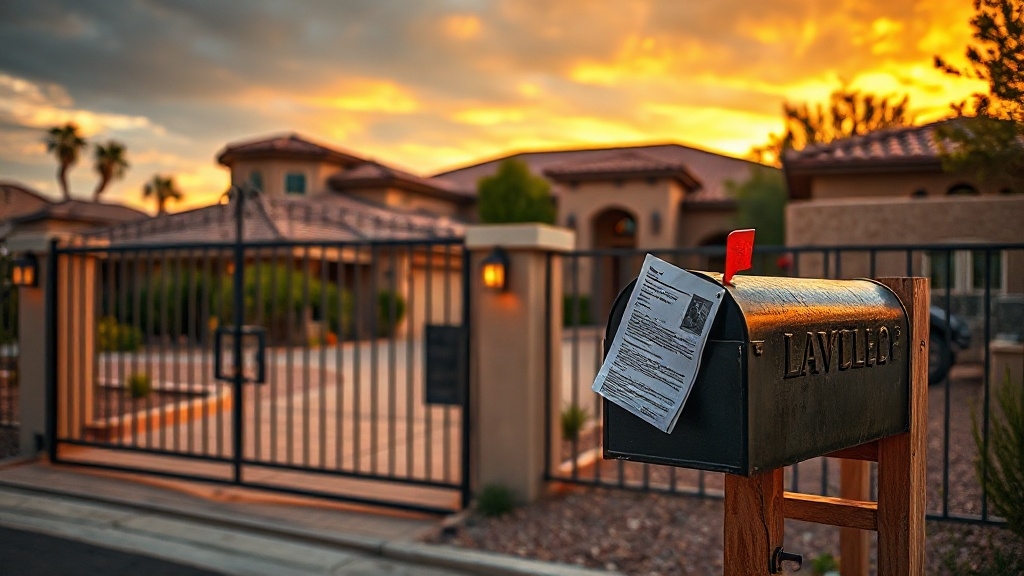
After the threshold question is checked, the first step is to examine the HOA’s official delinquency notice for statutory compliance.
Arizona law requires certified mail with return receipt requested, delinquency language, a 30-day warning, contact information, and required text in boldface or all caps.
Key Early Checks
Confirm the filing date, because the foreclosure threshold changed on September 26, 2025, to 18 months delinquent or $10,000.
Respond quickly to protect access to a reasonable payment plan before counsel or a collection agency becomes involved.
Begin preserving documents, including notices, account balances, and all HOA communications, in case a judicial defense becomes necessary.
If the amount or timeline appears wrong, disputes may be raised directly with the association.
Legal consultation often becomes important once a collection notice arrives or a lawsuit appears likely.
Assessment
Arizona’s 2025 HOA foreclosure rules sharply narrow when associations can force a sale.
Planned-community and condominium boards now face stricter limits tied to delinquency thresholds, timing, and the types of charges that qualify.
The changes reduce the reach of collection powers that once exposed owners to faster foreclosure risk.
For homeowners, the immediate issue is whether the debt involves assessments or disallowed fees.
That distinction can determine whether foreclosure remains legally available.