What Happens When Someone Refuses to Settle?
From surviving to deliberately building a different future
There comes a moment when simply getting by stops being acceptable.
For Yisbel Bera, that moment came while she was working for the State of Florida, raising her children, owning a home, and still feeling the pressure of living paycheck to paycheck.
She had what many people would consider stability. She had a government job, benefits, a business degree, and experience in sales. But stability was not the same thing as freedom.
Yisbel wanted choices for her children. She wanted the ability to say yes more often. Most importantly, she wanted to build a life that wasn’t controlled by the limitations of her paycheck.
“I deny to live check to check. I deny it.”
That refusal became the beginning of something much bigger.
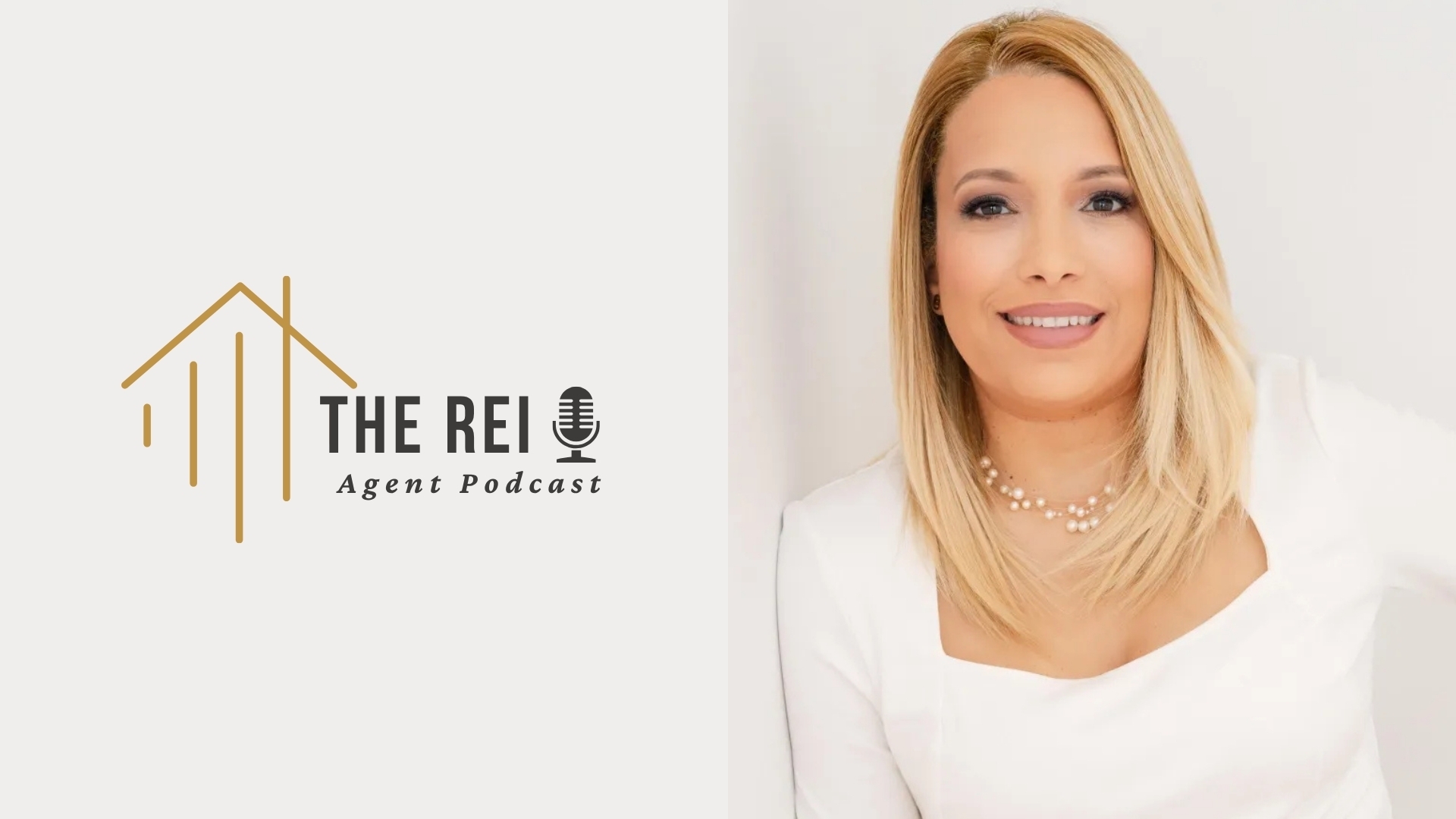
Today, Yisbel is the team lead and CEO of Kingdom Group at eXp Realty in Cape Coral, Florida. Her accomplishments include ranking among the top performers within eXp, earning the company’s Icon designation multiple times, and being recognized among leading Latino realtors in the United States.
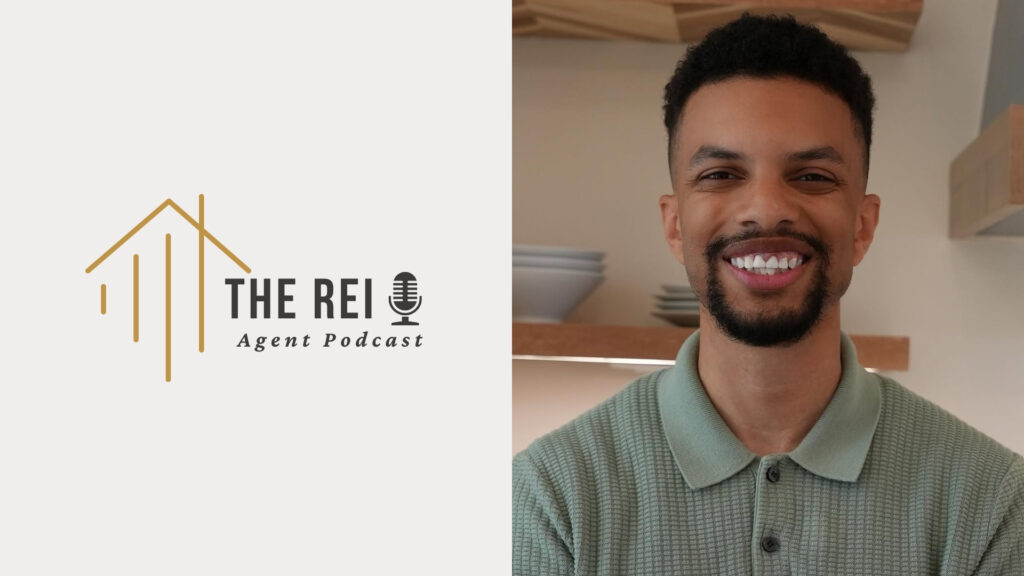
But her conversation with Mattias Clymer on The REI Agent Podcast wasn’t simply about production numbers. It was about the mindset, discipline, faith, relationships, investing decisions, and uncomfortable choices behind those numbers.
Her Journey Started With Ugly Houses and an Opportunity
Wholesaling opened the door to a much bigger vision
Yisbel didn’t begin her journey as a traditional agent. She started as a wholesaler, finding distressed properties and working with investors.
She remembers putting out the familiar signs offering to buy ugly houses. As momentum grew, however, she began receiving calls from agents questioning whether some of what she was doing required a license.
Instead of ignoring the concern, she researched the rules and decided to get licensed.
That decision didn’t erase the experience she had already gained. It expanded what she could do with it.
Her foundation in wholesaling helped shape the niche she continues to serve today. Investors became a natural part of her business because she understood how they thought, what they looked for, and why the numbers mattered.
Getting licensed wasn’t a complete reinvention. It was the next strategic move.
The First Investment Changed What She Believed Was Possible
One successful property became fuel for the next opportunity
One of the most powerful moments in Yisbel’s early investing journey came with her first property investment.
She purchased a short sale for roughly $120,000 below market value. She then invested around $30,000 into the property, although she noted that completing the same type of renovation today would cost considerably more.
When she eventually sold the property, she made close to $200,000.
That kind of profit could have easily become a lifestyle upgrade. Yisbel chose a different path.
She placed the proceeds into a 1031 exchange and used the money to help acquire two more properties.
“You should multiply that profit, that equity, because that’s when momentum starts happening and that’s how you start building wealth.”
Her philosophy is simple. When an asset creates equity, the goal shouldn’t automatically be consumption. That equity can become capital for the next asset, and then the next.
Mattias expanded on the same principle during their conversation, discussing refinancing, home equity lines of credit, and using accumulated equity to continue acquiring properties when the numbers make sense.
The larger lesson wasn’t about one particular financing technique. It was about refusing to interrupt compounding momentum.
Why Getting Started Matters More Than Waiting for Perfect Conditions
Momentum has to begin somewhere
Investing can look intimidating from the outside. People see experienced investors, multiple properties, teams, businesses, and portfolios and assume they somehow need to begin at that level.
Yisbel’s story shows the opposite.
Her journey unfolded one decision at a time. She wholesaled. She became licensed. She purchased an investment. She reinvested. She served investors. She built relationships. Then she continued expanding.
She now has her sights on commercial property, including possibilities such as multi-unit retail or office spaces.
That goal is part of a larger progression. Residential investments helped create experience and equity. Now she sees commercial property as another opportunity to diversify and grow.
There will always be another level, but nobody reaches the next level without starting the first one.
She Didn’t Quit Her Job Overnight
The transition took discipline before it produced freedom
One of the most practical parts of Yisbel’s story is that she didn’t simply walk away from her job and hope everything worked out.
She transitioned for approximately a year.
During that period, she continued building her business until she could support herself through it. After making the full transition, she formed a corporation and began paying herself a salary through the business.
That decision reflected one of her strongest beliefs about entrepreneurship. A business has to be treated like a business.
For agents, that means resisting the temptation to consume every commission check that arrives.
Money has to be reinvested into growth. Education matters. Systems matter. Personal development matters.
“You are what you know.”
Yisbel continued pursuing designations and specialized education because she believed increasing her knowledge increased the value she could provide.
Success wasn’t just about becoming more persuasive. It was about becoming more useful.
Her Children Became the Reason She Couldn’t Quit
A powerful why can carry someone through an unforgiving season
When Mattias asked what keeps her motivated when markets shift and business gets difficult, Yisbel went straight to something deeper than motivation.
She talked about finding the reason underneath the reason.
Yisbel learned an exercise from Dean Graziosi that she describes as going seven levels deep into the question of why.
Someone might initially say they are building a business for their children. But why?
Maybe the answer is freedom and choices.
Why are freedom and choices important?
Then comes another why, followed by another.
The goal is to keep digging until the emotional truth underneath the goal becomes impossible to ignore.
“When the market gets tough, when people hang up the phone on you, when things happen, you have to go back to your why.”
For Yisbel, her children were never simply part of the story. They were the fuel behind it.
She even wrote a book titled Unstoppable Drive, a name that reflects how she approaches both life and business.
The Lesson of Cinderella Man That Stayed With Her
Sometimes the strongest motivation is incredibly simple
During the conversation, Yisbel referenced the film Cinderella Man, based on boxer James J. Braddock.
What stayed with her wasn’t fame or championship glory. It was the idea of a father fighting because his family needed him.
She connected deeply with that story because it reflected her own belief that a meaningful why can change how someone responds to hardship.
“When you know why you’re doing the things for, nothing stops you.”
Markets can change. People can reject an offer. Leads can disappear. Competitors can emerge. Businesses can go through difficult seasons.
But when the reason for continuing is stronger than the discomfort of continuing, difficult circumstances lose some of their power.
Protect the Inside Before Fighting the Outside
Yisbel believes mindset determines what happens next
A major theme throughout the episode was the difference between what someone can control and everything happening around them.
Yisbel believes entrepreneurs can become overwhelmed when they spend too much energy reacting to news, market conditions, criticism, competition, and negativity.
Her solution is to become much more intentional about what gets access to the mind.
What is someone listening to?
Who is in their circle?
What conversations are shaping their expectations?
What are they repeatedly focusing on?
“Our energy, we have to protect it. Our circle, our mindset.”
That doesn’t mean ignoring reality. It means recognizing that somebody is still finding a way to create opportunity even during difficult conditions.
Instead of obsessing over everything outside of her control, Yisbel tries to focus on what she can improve, change, create, and execute.
Faith, Gratitude, and Community Keep Her Grounded
Success means more when it remains connected to something bigger
Yisbel also spoke openly about faith as an important part of her life.
She credits her relationship with Jesus, while respecting the beliefs of others, with helping her remain grateful and grounded throughout her journey.
She believes some opportunities, relationships, and rooms she has entered couldn’t have happened through effort alone.
“I give thanks every single day.”
Gratitude is paired with service.
Yisbel believes there is always someone who could benefit from another person’s help. She remains involved in her community, church, and civic life, and she has participated in political outreach within Southwest Florida.
She also avoids comparing her progress to somebody else’s highlight reel.
“I actually compare myself with my version of yesterday.”
That approach makes improvement personal. The competition isn’t the person across town. The challenge is becoming better than yesterday’s version of oneself.
Sunday Is When the Next Week Begins
Preparation lets her move before the noise starts
Yisbel reviews her progress regularly, but every Sunday she takes a deeper look at what happened and what needs to happen next.
In her world, the week doesn’t begin when Monday morning becomes chaotic. It begins before that chaos arrives.
She uses Sunday to prepare.
That habit illustrates an important difference between reacting and leading.
People who constantly react spend their days responding to whatever arrives first. People who prepare can decide what deserves attention before everyone else begins demanding it.
That kind of intentionality also appeared later in her three golden nuggets, particularly when she explained why goals need to be translated into scheduled actions.
Success Created a New Problem: She Couldn’t Do Everything Herself
Financial freedom isn’t freedom when the owner becomes the employee of everything
As Yisbel’s production increased, something unexpected happened.
The business became successful enough to consume her.
She remembered going on vacation and still spending too much time on the computer and phone. Her children noticed it too.
That created another important realization.
“You’re a slave of yourself if you don’t build a business structure.”
She had achieved more financial freedom, yet the business itself threatened to take away freedom of time.
Like many entrepreneurs, Yisbel initially believed nobody else could perform certain responsibilities as well as she could.
Eventually, she recognized that belief for what it was.
“I thought that nobody would do the job better than I was doing it, which is a lie.”
The next phase of growth required delegation.
Her First Essential Hire Was a Transaction Coordinator
Growth accelerated when she protected the work only she could do
Yisbel has a strong opinion about where agents should begin when they build support around themselves.
She believes a transaction coordinator should be one of the first hires.
Agents are most valuable when they’re connecting with people, solving problems, conducting consultations, generating business, and serving clients. Spending excessive time buried in paperwork prevents them from doing the work that actually creates new opportunities.
Yisbel first added transaction coordination support, then expanded into additional assistance.
Her organization grew to include leasing agents, buyer’s agents, virtual assistance, transaction coordination, and a team of roughly 27 people at the time of the interview.
She also created Thrive Transactions LLC after recognizing that transaction management itself represented a problem worth solving for other professionals.
Her lesson is a powerful one for entrepreneurs in almost any industry.
Sometimes growth doesn’t require doing more.
It requires finally letting go of what someone shouldn’t be doing anymore.
The Team Made Success Feel More Meaningful
Individual achievement became collective impact
Yisbel had already proven she could perform as an individual agent. But eventually, people repeatedly began calling her for help.
She started wondering what could happen if she built a team.
That question changed the trajectory of her business.
She opened an office, developed her organization, and continued growing until Kingdom Group became one of the leading teams within her brokerage in Florida.
What surprised her was how different team success felt compared with personal success.
“You can definitely get there faster with a group of leaders, like-minded people.”
The win was no longer only hers.
It represented the growth of the people around her.
Golden Nugget One: Protect the Mind
Every result begins with what someone repeatedly believes
When Mattias asked Yisbel for three golden nuggets listeners could take from the conversation, her first answer was mindset.
She believes people don’t simply receive what they say they want. Their beliefs influence what they notice, pursue, expect, and ultimately do.
“We don’t get what we want. We get what we believe.”
Mattias connected that principle to a familiar example. Someone thinking about buying a particular type of car suddenly begins noticing that car everywhere.
The cars were already there. Attention changed.
Yisbel referenced the reticular activating system in making a similar point. What people repeatedly focus on tends to occupy more of their awareness.
If someone constantly focuses on having no deals, no closings, and no opportunities, that focus can influence the way they experience the business.
Protecting the mind means consciously deciding what deserves attention.
Golden Nugget Two: Take Massive Action
A vision without a schedule is still only a thought
Mindset alone isn’t enough.
Yisbel’s second golden nugget was massive action, a principle she associates strongly with Tony Robbins.
Seeing a possibility matters. Writing down the vision matters. But at some point the idea has to become behavior.
That means getting specific.
What happens today?
What happens tomorrow?
What goes on the calendar?
Which conversations actually move the goal forward?
Which daily activities are producing progress and which ones merely create the feeling of being busy?
Yisbel believes successful people become intentional about those answers.
The dream becomes far more powerful when it has an appointment on the calendar.
Golden Nugget Three: Surround Yourself With the Right People
The next opportunity may arrive through a relationship you almost overlooked
Yisbel’s third golden nugget was people.
Businesses need clients, partners, team members, mentors, relationships, and communities.
Sometimes a person who doesn’t appear to represent a major opportunity becomes the connection to someone who changes the trajectory of the business.
That is why she believes relationships deserve attention.
“We don’t need more money, we need more people.”
Her point wasn’t that capital has no value. It was that businesses grow by impacting more people and solving more problems.
Money frequently follows that process.
The better question becomes less about how to extract more revenue and more about how to become useful to more people.
Let Them Talk While You Keep Building
Mel Robbins gave Yisbel a reminder she believes ambitious people need
When asked about a favorite book, Yisbel recommended Mel Robbins’ Let Them.
Its message resonated with her because greater visibility and greater success can bring greater criticism.
Her response is not to build a life around managing everybody else’s opinion.
Let them think what they think.
Let them talk.
Let them compete.
Then return attention to becoming a stronger professional, a better problem solver, and a better version of the person who showed up yesterday.
That mentality connects almost every part of Yisbel’s story.
Her success didn’t begin when everybody agreed with her choices.
It began when she stopped accepting a life that didn’t fit the future she wanted.
An Unstoppable Life Is Built One Decision at a Time
The next chapter starts when comfort is no longer the goal
Yisbel Bera’s journey isn’t inspiring because every step was easy.
It’s inspiring because she kept making decisions that expanded what was possible.
She moved from a state job into wholesaling. From wholesaling into becoming licensed. From earning commissions into investing. From one successful investment into additional properties. From individual production into leadership. From doing everything herself into building systems and delegating responsibility.
Through all of it, she continued returning to the same foundations.
Know the why.
Protect the mind.
Take action.
Choose the right people.
Stay grateful.
Keep learning.
And become comfortable with being uncomfortable.
“In a comfortable place, growth won’t happen. We have to become uncomfortable.”
That may be the most important invitation from the entire conversation.
The life someone wants rarely appears fully formed. It gets built through thousands of choices that initially feel inconvenient, uncertain, demanding, or frightening.
Yisbel’s story is proof of what can happen when those uncomfortable choices keep pointing in the same direction.
Freedom doesn’t arrive because someone wishes harder.
It begins when that person decides what matters, builds a plan around it, surrounds themselves with people who strengthen the mission, and keeps moving long enough for momentum to compound.
And sometimes, the entire transformation begins with one stubborn decision.
Refuse to settle.
Transcript
[Mattias]
Welcome back to the REI Agent. My guest today is Yisbel Bera, team lead and CEO of Kingdom Group at eXp Realty in Cape Coral, Florida. Yisbel has built one of the most recognized Latina-led real estate operations in the country, landing in the top 1% of eXp’s 89,000 agents globally and earning the eXp icon designation four times.
She has also been named one of the top 250 Latino realtors in the United States. Beyond sales, she has built an entire business ecosystem around her team, including Thrive Transactions LLC and coaching business dedicated to helping agents in the Hispanic community build sustainable, profitable careers. Yisbel, welcome to the REI Agent Podcast.
[Yisbel Bera]
Hi, thank you. Thank you so much for that introduction. Excited to be here, Mattias, and thanks again for having me.
[Mattias]
Yeah, tell us a little bit about how you got into this crazy world of real estate.
[Yisbel Bera]
Yeah, well, I started actually, I used to be a wholesaler prior to get license. So that’s how everything start. What I was buying real estate and the experience that I was having wasn’t very pleasant and good.
And I go, no, I need to get licensed. And also at the same time, I would definitely earn my own commission while investing in real estate, which is one of the greatest vehicle to build wealth and legacy, right? So yeah, that’s how everything started.
I put inside, I buy ugly houses. I’m sure you’ve seen those. But yes, that’s how I started.
And there’s a very thin line between what you can do as a wholesaler and what you cannot do. So I’m always looking forward for compliance and I go, oh, let me get licensed, and that’s how everything start.
[Mattias]
So what were you doing before the wholesale thing and what made you get into real estate in general? Yeah, what made you about real estate?
[Yisbel Bera]
Yeah, that’s a great question. I used to work for the state of Florida. I was working for the Department of Children and Families and it was my dream job, but the pay wasn’t really good.
I spend there a couple of years. Benefits for the state are great, but the pay is not very good. Back in the day, I was living kind of pay check to check like every American does, right?
And I go like, oh no, no, this, no. I deny to live check to check, I deny it. So I had kids, now they’re all grown, but I go like, I wanna provide auctions to my kids.
I don’t like, it just hurt everybody’s heart every parent that is listening to me know that it’s just uncomfortable to say no to your kids. So they were my big why, to switch over. And I already tried different sales business.
I used to sell like, and I do have a bachelor degree in business management major in marketing. So I always be in sell, so it’s always been my thing. And I remember that I done the Mary Kay.
I also done the Aqua, which is a special water. So I was selling stuff, but nothing worked, nothing fulfilled. And I go, I feel that I should be doing something else.
And then that’s when I start and switch and I start wholesaling and it was working. And then I got a couple of phone calls from real estate agents and like, hey, you know what you’re doing is illegal. And I go, excuse me.
So, and then I started doing my research and I go, well, there’s a very, very thin line between what I can do and what I cannot do. And then I got a license and that’s how everything started. But definitely my children was the big why for me and the average life that I was living.
And knowing that I was a homeowner back and even I own a home, I was barely making it. So that’s the reason why I started real estate.
[Mattias]
Okay, so you always had that hustle in you. You were definitely wanting to go out and make something happen, try a few different avenues that maybe weren’t as successful. Yeah, the wholesaling thing is definitely interesting.
And I know there are a lot of different ways of doing it. And I think there’s more ethical ways than others. And I think it’s often misunderstood in the real estate community, like the traditional sales community as well.
But yeah, I think laws have changed. I think it’s state by state as well. I know that in Virginia, where I’m at, I think right now you’re only supposed to be able to do like one deal a year without a license.
So getting a license is definitely an option, a great option if you’re in that. And it’s different worlds, right? It’s like it’s wholesale versus retail.
[Yisbel Bera]
Yeah, no, 100%, it’s a different world. And you’re putting very hot deals with investors and it’s pretty much distress homes, you know? But yeah, definitely.
In Florida, it’s a little bit different. You can do more than one transaction without a license. But I was starting having momentum and I started noticing that my signs were started getting removed.
And I go and getting phone calls and stuff like that. And then I got licensed. I’m no longer doing wholesale, but I do a lot of REOs right now.
And my niche is investors because that’s how I started.
[Mattias]
That’s awesome. So when you were wholesaling and when you were getting people calling you, you’re finding leads of distressed homes. Were you selecting some to take on yourself as well?
Were you flipping any? Were you doing any purses?
[Yisbel Bera]
Yes, I remember my first investment I bought was a sure sale actually. And that home, I actually made a great deal on that home. I bought it, I will say about 120,000 less that the market value.
I invest about 30,000, but I’m talking about 2017 or 18, which right now you cannot do the type of remodeling that I did. That will be today’s money, maybe 70,000, 60,000 or so. And I made almost 200,000, my bad.
I almost made 200,000 when I resell it. Yes. That’s not bad.
[Mattias]
You said that was your first one?
[Yisbel Bera]
That was my first one, but I kept it. I kept it.
[Mattias]
I kept it for some time and then- Did you cash out any, like did you do cash out refinance and did you take more than the equity or more than the money you had in it? Like, did you like make a profit on the refinance itself?
[Yisbel Bera]
Well, actually what I did, I sold it. I put in 1031 exchange and then I invest two more. I use it as a down payment for two more and so and so.
But I don’t recommend anyone to use that money or equity for expenses or for wasting the money. You should multiply, actually, that profit, that equity, because that’s when momentum start happening and that’s how you start building wealth.
[Mattias]
Yeah. Yeah, no, totally. I, yeah, I agree completely.
I think that it can be, even if you’re holding that property and you’re doing a cash out refinance just to get, even if you’re just breaking even, right? Or sometimes- Yeah, that’s another way. Now it’s even probably harder to break even.
Like you might have to leave a little bit of money in the deal to make the numbers work. But at the end of the day, it’s a much better deal than you would be able to get otherwise. And you can then tap into that equity with home equity lines of credit to then, again, rinse and repeat and keep going with the momentum that you said.
So if you want to buy another property, if you want to go to the auction and buy it in cash, you can use some of that equity from the home equity line of credit to keep that momentum going. So definitely it can compound upon itself and getting started is really the most important part.
[Yisbel Bera]
Yeah, no, 100%. And if you have a home and you’re starting investing and you have some tenants in there, you have some passive income, what you can do is later on, once that home generates some equity, then like you say, you do some equity line of credit or some refinance, catch how if it makes sense, because sometimes it doesn’t make sense. Interest rate is going to be too high.
So, and then you invest into the next one and the next one and the next one until you’re able to buy a building, which that’s my goal, actually. I don’t have any commercial property, but that’s my goal before the end of the year to have some commercial. It’s less work, actually, it’s less work.
[Mattias]
Yeah, you’re looking at an apartment or are you looking at, do you have it specified?
[Yisbel Bera]
No, I’m actually looking for some type of commercial place, like a store, a multi-unit store, office units, things like that, because at least in Florida, they’re pretty much on their own. We don’t do anything as landlord. They’re responsible, absolutely everything, which is easier than residential.
You have to be, there’s something wrong with the AC and the main four things in a home, AC, roof, electrical panel and plumbing. It’s more work for sure, yeah.
[Mattias]
Yeah, absolutely, and it would be great to diversify the portfolio a little bit because commercial and residential kind of are a little bit separate. They have their own kind of cycles. Tell us then about your start with actual getting into the sales, the traditional sales model.
You said you’re still kind of investor focused. Were you taking some of those wholesaling leads and making, just putting them on the market kind of more traditionally, or where did you go when you got licensed?
[Yisbel Bera]
Yeah, so once I got licensed, I continue serving my investors. So I started leasing their homes for sale. Yes, exactly, exactly, and a few of them have like 20 houses, so I started having momentum, so like on my first year, I made more than, I made on my secular job for a year.
So, and typically your first year is kind of like trying the waters and see how the business go, but I actually got success because I, number one, in order to have success and growth, you must have hungry and you must, you need to really want it because if you’re trying this business out, okay, let’s see what’s gonna happen. Nothing is gonna happen that way. You’re either full in or you’re out because as you might know, this business as average doesn’t really work.
But yeah, definitely, I’m grateful, very grateful of God and yeah, everyone that trusts me.
[Mattias]
Did you, when you were starting to wholesale, sorry to backtrack here, did you do both? Did you do your job? Yes.
Full-time job and then kind of side hustled? How long did it take for your transition? Like when you were licensed, were you full-time in real estate or did you do a transitionary period there as well?
[Yisbel Bera]
I did a transition, yeah. So it took me a year. It took me a year to actually be on my own.
And then I opened up a corporation and then I W-2 my corporation to myself so I can have a salary. And yeah, that’s another thing that when you are doing a real estate business, you wanna do it formally and treat it as a business because a lot of time agents, they eat their commission, which is wrong. You wanna reinvest it back in your business, reinvest it on yourself as personal development.
That’s another thing that I did is that I specialize myself. I did a couple of designations and a specialty and I still do it to this day. If I see something that aligns with my goal, education for me is so powerful.
I mean, you are what you know. And people, they stay, they don’t do business with you because they like you or something, is they move by data and report by what you can add to them. But yes, it took me a year to actually fully transition.
[Mattias]
Yeah, well, it sounds like you’re probably the type of person that could really focus on, this is my goal, this is what I want and I’m going to make this happen. Even if I am spending eight hours a day at this other job, I’m going to do what I can, do what I have to to make this other thing because I see that it’s gonna be more profitable, it’s gonna be better, it’s gonna be a better fit for me. Is that accurate?
[Yisbel Bera]
100%, 100%. I grew up in an entrepreneur household. I saw my father becoming millionaire two times and also going bankrupt.
I’m not afraid of anything, I’m not. I know how to live with a lot and I know how to live without nothing. I’m not afraid.
[Mattias]
You know, there’s something liberating about that. If you have, once you’ve kind of made something like this successful, you’ve got the grind, you go through the grind and you kind of have momentum going, there’s something liberating about knowing that if you had to do it over again, you could. And that if you had to go back to, you know, being really disciplined about your expenses and living on very little, that you could.
And it is a fear people have to get into the business because of, for the same reason, right? Like they’re worried about it all being dependent upon themselves. But at the end of the day, like, you know, if you’re in another job, like if you’re like in corporate America, for example, like you don’t have any control about getting laid off or like, you know, what might happen in that role.
But if you build it yourself in a way that you can, you know, make it and you have confidence in that, you prove it to yourself and you know that you’re okay with less. That’s a great feeling.
[Yisbel Bera]
Yeah, no, a hundred percent. And I will tell you one thing also is that I’ve been in this amazing country for a little bit over half of my life, over 21 years. And I think when you have the goal so close to your eyes, you are unable to appreciate the beauty.
And coming from a third world country, I was born in the Dominican Republic, you know, and I know that in order to get things happen and momentum is hard over there. But when you come here and you see so many opportunities, you go like, wow. As soon as I hit the ground here, you know, my brain was going really fast.
My father was an economist and politician in my country, very well known, very respected. You know, and coming here, it was like, it’s just knowing everything that wasn’t here. But again, sometimes when you were born in a place and you’re used to certain things, I think sometimes Americans are very comfortable, you know?
And I include myself because after being here, like, oh no, no, no, I have to be uncomfortable because in a comfortable place, growth won’t happen. We have to become uncomfortable. And seeing homeless in this country is definitely a mental thing because there’s no way, no way with the amount of opportunity that we have.
Of course, nothing is given. You have to work. But when you come from a third world country that no matter how hard you work over there, sometimes nothing happens, you know?
So, yeah.
[Mattias]
I mean, this is actually, leads me into a question I kind of wanted to ask you. Now that you’ve been doing this for a while, you’ve seen success, like you’ve rode those waves. What keeps you going?
I mean, this market also has shifted and I’ve talked to a lot of people in Florida and I don’t know about your area, but it definitely seems like Florida was one of the earlier markets to shift. And you know, it can be kind of disorienting. It can be, we’re in a place right now where I think the sellers are kind of still expecting things to be like they were.
Things are slowed down. We’re still like, you know, two week kind of average days of market. So we’re not bad.
But then buyers are like, why has this house been on the market for over a week? There’s something wrong with it. It’s overpriced.
There’s this like two expectations of like what the market should be that it just isn’t anymore. And it leaves the people really frustrated and that then has to be challenging for agents as well. Like they have to adjust.
They have to, you know, if things are just different and harder and expectations are not being met. So all I have to say is how do you keep the momentum, keep the motivation, keep that fire in you?
[Yisbel Bera]
Yeah, great question. Great question. And I believe that everyone should do this exercise and it is to define your why in business and not only define your why, but go seven levels why.
I learned this from Dean Graziosi. I don’t know if you know Dean Graziosi. From him, I actually learned wholesaling.
So Dean Graziosi and Tony Robbins, I’m sure you know Tony Robbins. They both are doing a lot of things together right now. And I actually bought a course from him and da da da.
So I believe that when you don’t do this exercise, you might lose focus, okay? So for example, I do this because of my kids, okay? Why is important?
Why you’re doing for your kids? Oh, because I wanna provide them freedom and choices. And why you wanna provide freedom and choices?
And as you see, I’m going seven levels why. Because when the market gets tough, when people hang up the phone on you, when things happen like I had when I start, you have to go back to your why, which is your fuel, is what really becomes or make you unstoppable. And in fact, I wrote a book and the name is Unstoppable Drive because that’s really my life.
I don’t stop and I don’t need motivation. Just looking at my kids’ face is more than enough. Just looking at them.
I don’t know if you saw, if you watch Cinderella Man, it’s a movie that I, it’s a true story movie that I really recommend, Cinderella Man. And it was one of the best person in the boxing sport. I don’t know too much about boxing, but his story really got my attention.
And they were asking, why do you fight with so much success? And he said, for milk. And people say like, milk?
Because he actually went through the Great Depression, World War II, and he got kids. They took him away from him because he didn’t have any food to provide. And he was fighting for milk to pretty much to provide to his kids.
His story is really incredible. I mean, it really touched my heart. And when you know why you’re doing the things for, nothing stop you.
Nothing stop you. You have to go back to the basic and to your insight because greatness start from inside out. No focusing on what’s happening out there or what’s the tendency of the market.
Excuse me. Sometimes there’s too much noise with the news and a lot of negativity from other people and agents. We don’t need that because that actually put us down.
Our energy, we have to protect it. Our circle, our mindset. And our mindset actually builds on what we listen and what we’ll see.
So what is it that you’re watching now? So what is it that you’re listening? What’s your circle?
So that’s something that I would definitely take in consideration when building a business during crisis or during a shift. At the end of the day, there’s always someone making money. No matter what’s going on out there, there’s always someone making money because that person didn’t focus on the outside.
Because sometimes you focus too much on the outside then you’re gonna crash. You have to focus on the inside of what you can control and know what you cannot control.
[Mattias]
Yeah, absolutely. I mean, yeah, it’s the only thing you can control. That’s really one of the main reasons I don’t.
I kind of turn the noise off for politics and for news. I just don’t wanna listen to it because I don’t have any control over it, really. I mean, I can go vote, but I have no control over it and it just makes me mad.
The news, all that stuff is just really targeting you to… They want you to click, so they’re gonna make you upset. They’re gonna give you fear.
They’re gonna give you anger. They’re gonna give you whatever is gonna make you keep clicking and whatever. So it’s just manipulation of your emotions.
And again, you don’t have any control of it. I think it’s… What do they say?
If you can focus 90% of your energy on what you can control, you’re just gonna be a lot more happy. So I love that. Do you have specific routines?
Or I would imagine you focus on that seven layers of your why when you got started, when you were in the grind phase and probably came a little bit second nature to you, probably had that kind of ingrained. But do you have to go through a process of reminding yourself ever? Or do you have any rituals with that?
[Yisbel Bera]
Well, even the name of my business, definitely I just have a very respecting people’s belief. I have a very, very close relationship with my creator, which I believe in Jesus, respecting again, everyone’s belief. But there’s so much we can do in our power, but in my life, in my business, his grace and favor put me in places, in rooms around people that on my own strength, I would never made it.
So I’m very thankful. So I give thanks every single day, every single day to Jesus. And also part of my core values is doing something for someone.
There’s always someone in a worse position than I am. So I don’t compare myself with anybody. I actually compare myself with my version of yesterday.
And I compare myself with myself. So that actually kind of take away some of your focus. So as part of my daily routine, like, okay, you did great yesterday, you did this last week.
So I kind of review my day. I do that every single day, but I really go in depth every Sunday. I start my weeks on Sunday.
I prepare my week before every noise on Monday start, I’m already prepared and ready, but I’m grateful. I do exercise. I do a lot of stuff for the community.
I’m very present. Because I grew up in a politician household, I’m very also involved with that politics. I used to be the chair for the Hispanic vote of Southwest Florida, 2022, 2024, where I get to know a lot of elective officials and major.
And some of them are very close friends. And again, just find something that you love and be part of it. I believe that our business is very aligned with politics.
It can either affect our business or no. It’s not about watching news. It’s about who can you elect better and why and how affect the money of our country and the economy and the stability, the percentage of our…
Find something that you love to do and get involved. Do something for the community. Be grateful.
I’m very active. I’m at church as well. So that’s pretty much kind of like me.
[Mattias]
I love the gratitude aspect of what you just said. And I think that’s so important. And yeah, I served as a president for my local association of realtors, actually twice because somebody resigned, but it is important to give back as well in that regard.
I love that. And okay, so you then at one point, you, I guess, walk us through how you became a team lead or what made you start a team and that kind of stuff.
[Yisbel Bera]
Yeah. So I was doing great by myself, but I start getting a lot of phone calls like, hey, help me on this, help me on that. And I always love to help and I go like, why no?
I should create a team. And I mean, when something is meant to happen, it’s just meant to happen. And at the same time I was having those thoughts, I guess, I don’t know, God, maybe put it in my heart.
But someone actually reached out to me and say like, hey, I wanna partner with you. I’m opening an office. I didn’t have an office because the brokerage that I’m associated with, you don’t need an office really.
But it’s kind of like an iCloud based business. So yeah, sure, why not? I opened on my first location.
And then from there, I move to the downtown of Cape Cora, which is the city I live right now. And now I have about four years with the team. But the first thing was, I was curious, what is it gonna be like having a team?
And it’s like compound interest. If you can do this much on your own, imagine what you can do with a team. Now, my team is number four in the entire state of Florida with the brokerage that I’m associated right now.
So my team is number four in the month of June, which it feels different when I know how to make it by myself and being an icon agent as a person. But now with the team, the feeling is even more amazing, more joyful, more meaningful. So you can definitely get there faster with a group of leaders, like-minded people, yeah.
[Mattias]
I love that, I love that. Yeah, that’s really awesome. I think there’s often, people need to have some sort of growth within the business.
For a while, just making it that grind phase is important. And just getting somewhere with their own business is important. But there becomes a time where, you might need to bring on a transaction coordinator, you might need to bring in an assistant.
You might start looking at forming a team in the maybe the more traditional sense of a buyer’s agent and the seller’s being a seller agent yourself. Do you have that kind of division or?
[Yisbel Bera]
Yeah, so my business structure is that the, excuse me, the number one thing that every agent should have is a transaction coordinator. I mean, no agents should be dealing with paperwork. I think you should have enough time to do what you’re good at it, which is connecting with people, solving problems, selling homes, meeting with people, having great appointments out there, leasing appointments, buyer’s consultation, and so-and-so.
So first I start with my TC, transaction coordinator. Then I hire a BA. And now, so with the team now being, I have 27 people on my organization.
So I have right now a leasing agents, I have buyer’s agent, I have a personal assistant VA, and I also have a transaction coordinator. And I also build a transaction coordinator company because I know there’s a lot of struggle in that. And so Ten Sky, we’ve been doing great with that company.
[Mattias]
That’s the Thrive Transactions?
[Yisbel Bera]
Yes, yes, Thrive Transactions LLC.
[Mattias]
Yeah, that’s awesome. It is really, yeah, there’s so much. And I think there’s different types of people have different types of things they struggle with.
Some people struggle with letting go, being really needing to micromanage all the different details. So that’s definitely something that some people struggle with when they come into this world. And so it’s certainly, I think you can just have more opportunities to grow, and you can boil it down to your why as well.
Are you wanting to be, is having freedom of time important to you? And obviously burnout, it’s another consideration. Like if you’re just constantly doing everything all the time, you’re probably not doing it well, and you’re probably gonna lose the momentum that you need to continue and do what’s most important.
[Yisbel Bera]
Yeah, yeah, no, you actually touched something really important, because I have three kids, and once I start getting busy, busy, busy, then I find myself on vacation being too much on the computer, being too much on the phone, and my kids were starting complaining. So, okay, yes, now you have financial freedom and all that kind of things. You’re going to places here and there, but you’re a slave of yourself if you don’t build a business structure, if you don’t hire people like I was.
I was burning out, and I thought that nobody would do the job better than I was doing it, which is a lie. It’s another way of burning out, and you just have to delegate. You just have to let it go and let it be, right?
But yes.
[Mattias]
Absolutely. Yeah, no, I think it’s, you have so many opportunities to really build a better business if you put the right people in the right seats, and I think there’s a lot of great resources out there for that kind of thing, starting to think about who, not how, that those kind of books are definitely helpful in that regard. Tell us now about the three golden nuggets that you’ve brought for our listeners, and by the way, if you’re driving around like a normal agent, getting your information by podcasts, et cetera, listening to this and are thinking, man, those are some great tips that she’s brought to us so far, we have a newsletter that goes out once a week.
Go to reiagent.com to sign up for that. That would summarize this content. We also have a blog for each episode on that website, so definitely go check that out, but yeah, what are your three golden nuggets for us?
[Yisbel Bera]
Yeah, well, number one, I will say mindset. I mean, I’m a huge choice. Everything starts from the mind.
Protect your mind because if you can see it, you can definitely achieve it, right? I’m sure you heard that before, but protect your mind, protect your mind, and we don’t get what we want. We get what we believe, and everything starts by the mind, and the mind is so powerful that actually creates, there’s a scientist study that the mind creates a vibration, the tau, actually, the tau, when you’re thinking about, creates a vibration in the space, and so you attract that, so be careful what you’re thinking and what you have in your mind, and you can switch your mind.
You can switch your mind by just changing the tau and doing some type of activity or changing the conversations, the circle and things like that. Protect your mind. Number two is, like Tony Robbins will say all the time, take massive actions, you know?
Okay, once you see it, once you’re thinking, once you write it down, like write out the vision, right? About what you’re gonna do now, what, that thing that you want, and so you must be specific with the action plan, right? I schedule it.
Okay, yes, I’m doing this, this, and that, but how does the schedule looks like? What are you doing daily? Does that take you closer to your goals or actually is not?
Does that conversation serve me to get there? So be very intentional about your daily activities, about your daily action, and number three, I will say is the people. That is so important.
I met some people that actually get me to, maybe that person, every person deserves attention, right? As long as it’s like-minded people, of course. If it’s your people, the type of person aligned with who you are, sometimes we don’t give a certain importance, but that person actually will take you to the next person that is gonna help you go to the next level of your business.
We can do the speed that you wanna do in business, but we need people. We don’t need more money, we need more people. We need to impact more people.
We need to solve more problem for people. So those are the three things really that I kinda wanna share. Mindset, massive actions, and the people you surround yourself, really.
[Mattias]
That’s so true. It is so true. If you are thinking about buying a Tesla, you will start noticing all the Teslas on the road, right?
If you are a pessimistic person and you think about all the negative things all the time in your life, you will just keep seeing those things in your life and that becomes reality. And if you aren’t familiar with cognitive behavioral therapy, that is maybe one of the most studied practices or research proven therapy practices that is all about changing the way you think about things. And it can be night and day difference for your life.
You can start noticing all the positives and the opportunities instead of all the drawbacks and all the negative things in your life and surrounding yourself with people that have that energy as well and have the experience and have the life maybe that you wanna live or that you’re striving to live is so important. So those are fantastic tips. Thank you so much.
[Yisbel Bera]
Yeah, yeah, no, of course. Of course, and you mentioned something actually very good, which is a reticular activating system. I learned that also from Tony Robinson is that what you focus on is span, right?
So watch out on what you focus on. Like you say, if you focus on the Mercedes, you start seeing Mercedes everywhere, right? If you focus on no deals, no closings, well, that’s what you get, right?
But yeah.
[Mattias]
100%.
[Yisbel Bera]
Yeah.
[Mattias]
What about a favorite book, one that you think is fundamental that everybody should read in this business or just one that you’re currently enjoying?
[Yisbel Bera]
Yeah, actually, I love the new book, one of the newest book of Mel Robbins, Let Them. I love that book. Let Them, I recommend that 100% because when you’re doing great things, you always gonna have some haters out there and some people, if you are not doing anything, then nothing is gonna happen.
But once you start having momentum and success, the competition or someone out there is gonna look at where are you failing or what are you doing or let them, let them. So again, don’t focus on the evil and on the competition and just focus on yourself, how to be a better version of yourself every single day, how to be a better professional, a better solver problem and things like that. But read that book and it will definitely switch your mentality, yes.
[Mattias]
Love it, love it, it’s a great recommendation. Now, if people want to follow you on social media or find out more about you, where can they find you?
[Yisbel Bera]
Yeah, they can find me very simple as my name, Yisbel Bera. I’m everywhere with my first and last name, Yisbel Bera and LinkedIn, Instagram, Facebook. Yeah, you can find me anywhere with my name.
[Mattias]
And we’ll have links in the show notes. Yisbel, thank you so much for being on the show. It’s been a lot of fun talking to you, energizing.
You have the energy, we can tell that you’ve done the work needed to be successful, to maintain that positive attitude, that momentum. So thank you so much for helping others feel that by listening or talking here on the show. If you all enjoyed this episode, definitely give it, give us a review, subscribe to wherever you listen to your podcasts and go to REI Agent again, sign up for that newsletter.
Check out our CRM that we have now launched. We can get a founders discount, 30-day free trial for sure. And that CRM will help you maintain the relationships that you need in your business without coming across as a spammy fake AI person.
It is helping you be a real relationship-based agent. It also has profit first built in there. So as we were discussing, it’s easy to get a little bit distracted or to not treat your business as a business.
This will help you break down your income that comes in so that you are able to reinvest it in your business, save for an investment property and just operate a successful business. Again, Yisbel, thanks so much for being on the show. It’s been an honor.
[Yisbel Bera]
Thank you, Mattias, for having me. The honor is mine. Thank you for doing this.
[Erica]
Thanks for listening to the REI Agent.
[Mattias]
If you enjoyed this episode, hit subscribe to catch new shows every week.
[Erica]
Visit REIAgent.com for more content.
[Mattias]
Until next time, keep building the life you want.
[Erica]
All content in the show is not investment advice or mental health therapy. It is intended for entertainment purposes only.