

What Dallas’s Hartford Conversion Will Deliver
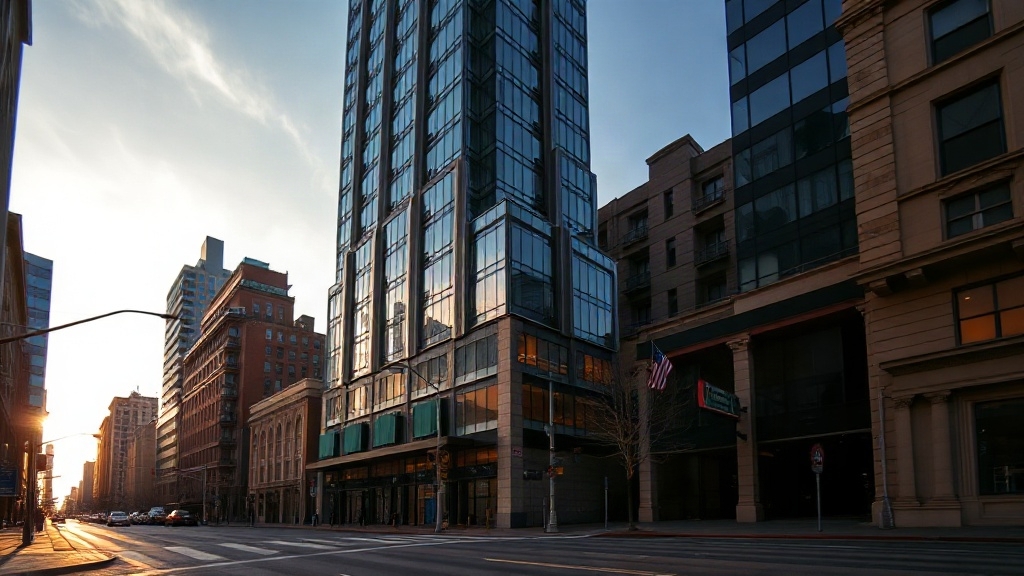
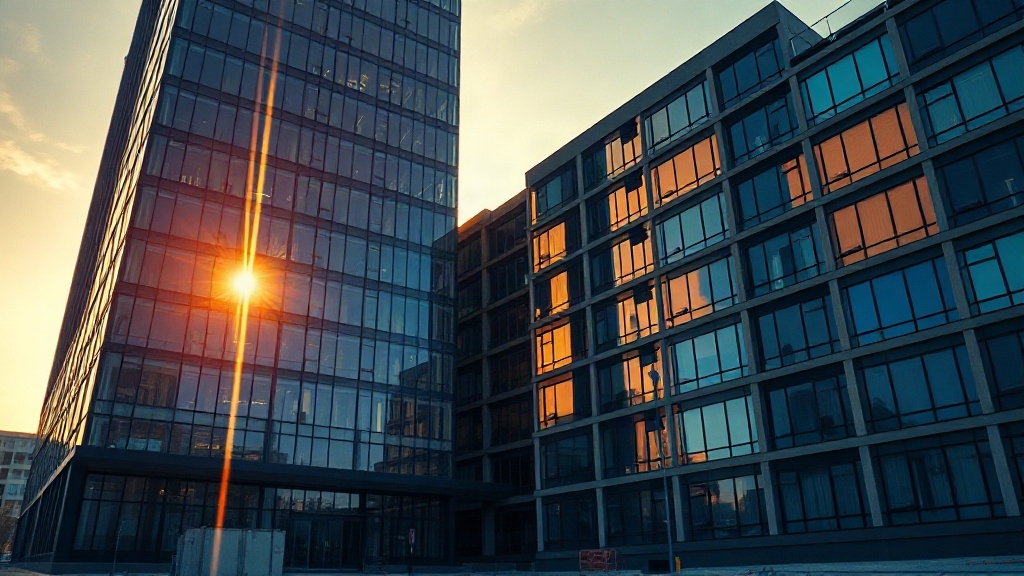
The Hartford’s conversion will turn a 14-story historic office building at 400 North St. Paul Street into 217 apartments in Downtown Dallas. Residences will occupy floors 2 through 13, while the 14th floor is planned as shared amenity space.
The project’s apartment amenities are expected to include a rooftop deck and fitness center, alongside a first-floor grocery store. Planned layouts range from studios to one- and two-bedroom homes, with units measuring about 500 to 900 square feet.
The redevelopment combines residential reuse with historic preservation, retaining the existing office structure while adapting it for new use. The property previously received city incentives for façade restoration and streetscape improvements.
The conversion also reuses an underutilized office asset in the urban core, near employment centers, transit, parks, retail, and other services. Remote work has helped reshape demand for traditional office space and contributed to interest in converting underused offices into housing. Construction was expected to begin in September 2025, with completion targeted for January 2027. TDLR records list a reported construction value of about $41.1 million.
Who Can Afford Hartford’s 217 Apartments?
Affordability at The Hartford will depend on household income, unit pricing and the share of apartments ultimately placed under income restrictions. Dallas Housing Authority AMI income limits vary by household size, with 50% AMI marking very low income and 80% AMI marking low income.
For a one-person household, those thresholds are $42,400 and $67,850, respectively. For a four-person household, they are $60,550 and $96,900.
Qualified tenants generally pay about 30% of gross income toward rent, before taxes and benefits are deducted. Households near or below 50% AMI are the clearest affordability target.
Voucher eligibility may matter for lower-income renters, since Housing Choice Voucher households are typically below 50% AMI. Some units may suit households earning up to 80% AMI, but final rents, income tiers and the 217-unit tenant mix remain unconfirmed. Income documentation can include recent pay stubs, W-2 forms and tax returns to verify gross annual income.


How Dallas Is Requiring Affordable Housing
Dallas uses zoning incentives and project-specific requirements to secure affordable housing in new development and redevelopment. The Mixed-Income Housing Development Bonus, created in 2019 and amended in 2022, offers added height, floor area, or density—or reduced parking minimums—in exchange for affordable units or a fee.
Dallas affordability requirements also vary by funding and project type. Residential projects seeking TIF funding generally must reserve at least 20% of units for households earning no more than 80% of Area Median Family Income.
Redevelopment requires at least 10% affordable units, while new construction requires 20%; projects on city-owned land require 30%.
Income-based rent limits are generally capped at 30% of household income at the applicable AMI level, including utilities.
Affordable homes must match market-rate units in materials and distribution, without segregation.
How 5550 LBJ, Cityplace, and Santander Compare
Dallas’ affordability rules provide a framework for comparing three redevelopment plans with sharply different priorities. Each takes a different route to housing: replacing a vacant site, expanding around a tower, or converting offices in place.
5550 LBJ: The suburban project plans 399 apartments, including 218 income-restricted units for households at or below 80% of area median income and 217 market-rate homes.
Completion is expected by summer 2028.
Cityplace: The $445 million plan combines at least 465 units on surrounding land with 240 apartments inside the tower.
Its scale links new construction and tower conversion.
Santander: Adaptive reuse has already delivered 291 apartments, with 105 more planned for a total of 396.
The project retains substantial office, retail, and hospitality space.
Together, the plans show mixed-income redevelopment spanning affordability, expansion, and vertical conversion.
How Vacancy and Policy Could Spur More Conversions
Conversions are already underway, including the 292-unit Santander Tower project and apartment development at 5550 LBJ.
State law SB 840 requires multifamily or mixed-use residential projects to be allowed by right in many commercial and office districts. It also streamlines qualifying conversions in buildings at least five years old, shortening approval timelines.
Local conversion financing can further improve feasibility.
Dallas tools include tax increment financing, historic rehabilitation tax exemptions, and Chapter 380 loans or grants.
Some funding supports affordable housing, helping redevelopment produce mixed-income homes.
Assessment
Hartford’s conversion adds 217 apartments to a downtown market where housing affordability and aging office space are increasingly linked.
Its outcome will help show whether Dallas can turn vacant commercial buildings into viable homes while meeting affordability requirements.
With other conversions under way and office vacancy pressuring property owners, the city’s approach could shape how quickly similar projects advance.