

Key Takeaways
- Boston’s Seaport District is poised for major transformation with the $2 billion Google campus approval.
- The development promises to boost the local economy and create thousands of high-tech jobs.
- Rising luxury condo prices could lead to gentrification, affecting local residents and the historic environment.
The Evolution of Boston’s Seaport
Boston’s Seaport District is set to undergo a radical transformation with the approval of a $2 billion Google campus. This development, dubbed the “Tech Boom,” promises thousands of high-tech jobs and unprecedented economic growth.
However, this prosperity comes with risks. Soaring luxury condo prices threaten to gentrify the area, displacing residents and altering the historic Boston environment. Real estate investors should brace for rapid changes and seize opportunities as the influx begins. Stay informed for more insights.
Seaport Transformation: Opportunity and Controversy
Dramatic change looms over Boston’s Seaport, with the approval of Google’s new campus signaling a seismic shift. The once-industrial harbor is transforming into a bustling hub of innovation and prosperity, riding a wave of economic opportunity while altering community dynamics. Waterfront development is at the forefront, sparking a flurry of interest from developers and investors poised to capitalize on this significant change.
The campus represents a monumental $2 billion investment in Boston’s growth prospects. As a cornerstone of the city’s revitalization plan, Google’s presence is expected to invigorate the local economy, creating thousands of jobs in technology, construction, and supporting sectors. The promise of high-paying positions, especially against the backdrop of Boston’s historic cobblestone streets, is luring new businesses to the area, enthusiastic to share in the anticipated renaissance.
With Google’s commitment, a sprawling infrastructure evolution is underway. Upgrades will include enhanced transportation links, essential for connecting the Seaport district to Boston’s greater metropolitan area. The pipe dream of previously limited accessibility is quickly being replaced by cutting-edge transit solutions, making the area more inviting to tech companies and startups alike. Commonwealth Pier will also be revitalized as a multi-use environment, providing public spaces and events starting in 2025.
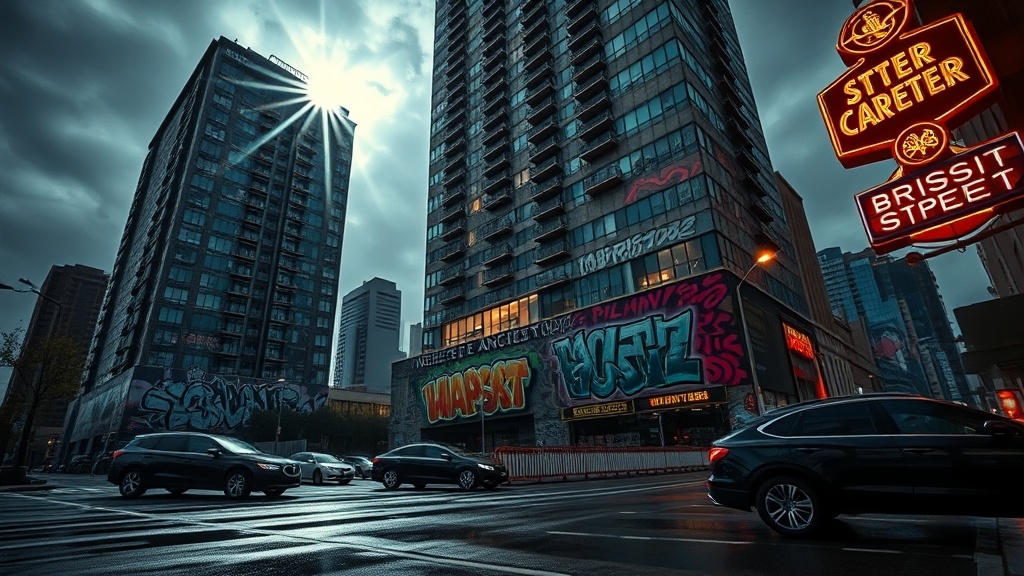
In parallel, luxury condominiums are sprouting up, casting long shadows across the waterfront. These developments are not merely residential offerings but a signal of the Seaport’s impending status as a high-end enclave. The construction of commercial spaces alongside these condos further cements the district as a central figure in Boston’s future economic terrain.
Yet, in the shadows of this boom, a tense narrative unfolds. Real estate trends are showing sharp inclines in condo prices, driven by demand from tech professionals seeking the prestigious waterfront lifestyle. Investors smell opportunity, but this influx signals a warning of imminent gentrification, threatening the fabric of existing communities. Local businesses may thrive with increased foot traffic, but the dilemma of affordability remains unresolved.
Public sentiment is mixed, grappling with the dual-edged sword of progress and displacement. Community engagement, incentivized by Google’s promise of increased public events and programs, brings some light to the transformed cultural setting. However, concerns about social and economic divides form an undercurrent of apprehension.
Moreover, environmental considerations command attention. The project’s massive scope has drawn scrutiny over potential impacts on the region’s wetlands and wildlife. Boston’s drive to maintain sustainability is vital, with concerted conservation efforts aiming to balance growth and ecological health.
Technological advancements add another layer of complexity. The campus is set to be a beacon of innovation, positioning Boston as a leader in tech advancement. Collaborations with local universities signal a future brimming with possibilities.
Yet, the looming question remains: at what cost to Boston’s storied history and its inhabitants?
As the Seaport district stands on the precipice of transformation, the sound of cranes and hammers blend with whispered concerns. Real estate enthusiasts watch closely; this is both a golden opportunity and a potential powder keg. Boston’s Seaport, once a sleepy outpost, is now the epicenter of a grand and uncertain future.
Assessment
The approval of the $2 billion Google campus in Boston’s Seaport is like opening a treasure chest. It’s packed with both golden opportunities and some slippery slopes.
Sure, the iconic New England Aquarium might find itself in the shadow of luxury condos soon. Rising property values? Great for some folks, but they might also stir up some serious affordability issues.
And as far as investment goes, watch out. With costs climbing and the market potentially getting crowded, it’s a wild ride ahead.
This Boston Harbor skyline facelift is massive—like a makeover for the city’s personality. Investors, it’s your time to shine, but tread wisely.
Keep an eye on those risks and rewards. So, what’s the next step? Dive into this wave of change before you miss the boat.





















6 Responses
Not denying the boom, but wont this Google campus just fuel the already skyrocketing living costs in Bostons Seaport? Just big corporations benefiting again.
While this Google Campus boom is exciting, arent we just making the rich richer? What about affordable housing? #JustAnotherCondoFrenzy 🏙️💰🤔
While I get the whole waterfront boom thing, isnt anyone concerned about potential flooding risks with climate change? Just food for thought.
While this Google campus may boost Bostons economy, isnt it just gonna escalate the gentrification already plaguing the Seaport? Just food for thought, folks.
True, but isnt economic growth a necessary evil for urban development?
Sure, Googles campus will bring jobs, but what about the skyrocketing housing prices? Not everyone can afford luxury condos, folks! Gentrification isnt always a win.