Embracing Sustainable Urban Development
As urban centers expand, integrating sustainability into development is increasingly critical. The BiodiverCities initiative demonstrates how cities can become regenerative ecosystems. This enhances urban biodiversity while improving human well-being. Green infrastructure, such as parks and permeable surfaces, helps mitigate the urban heat island effect. Eco-friendly real estate approaches, like implementing green building materials, further promote sustainability by reducing carbon footprints and increasing energy efficiency in urban environments. These elements also work to reduce pollution. Efforts align with global biodiversity targets for significant improvements by 2030. Ratings provide a visual performance representation for countries under this SDG, which helps raise awareness and encourages progress. Engagement with urban nature fosters residents’ support for environmental stewardship. This promotes necessary pro-environmental behaviors. Community involvement in urban agriculture and habitat restoration is vital. It ensures ecological restoration doesn’t lead to displacement. Sustainable urban development becomes a collective responsibility. All stakeholders must participate.
Affordable Housing Through Innovative Design
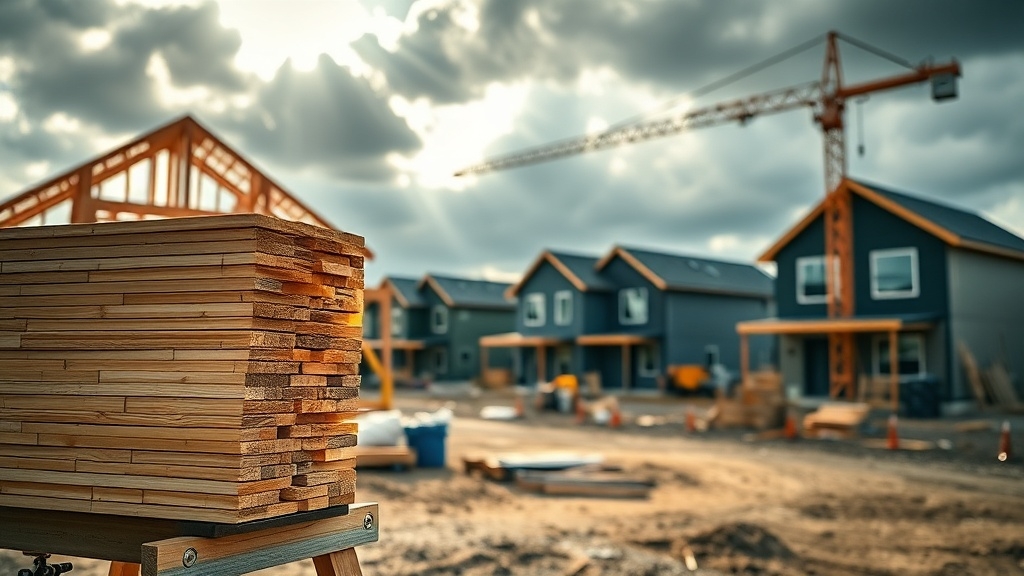
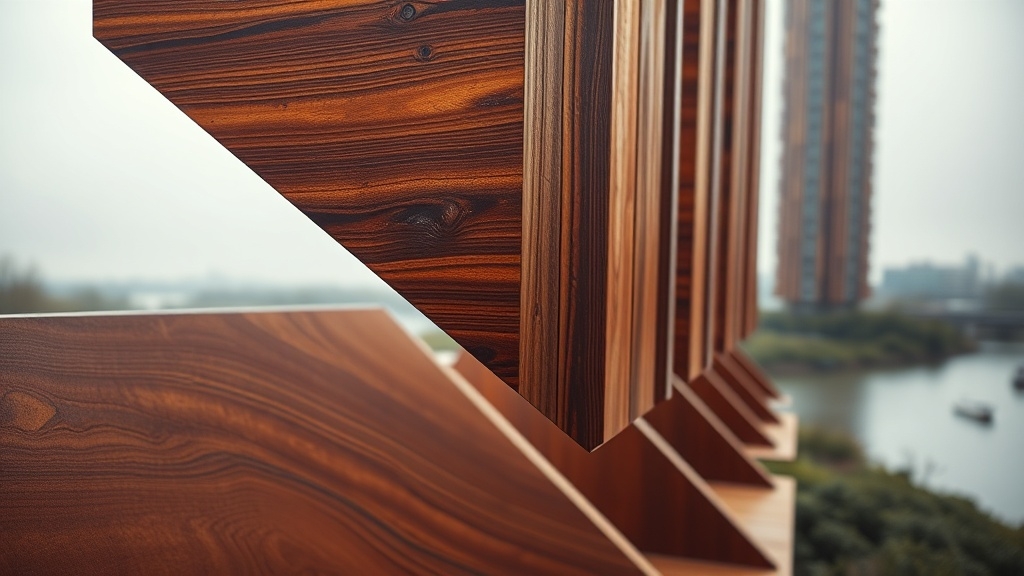
Innovation in housing design is essential for meeting the increasing demand for affordable housing in expanding urban areas. Mass timber construction is notable for its design flexibility and ability to enhance community engagement. This method allows for multi-story buildings, enabling mid-rise developments to fill the gap between low and high-rise structures, serving diverse urban needs. Prefabricated panels offer modular solutions, allowing projects to be adaptable and tailored to neighborhood preferences. With significant market potential in mid-rise construction, particularly in regions with abundant yellow pine forests like the Southeast, mass timber construction is poised for rapid expansion and adoption. The potential regulatory bans on certain types of housing in some regions have sparked interest in alternative construction methods that align with both community standards and housing needs.
| Benefit | Impact |
|---|---|
| Reduced Labor Costs | Up to 20% savings |
| Faster Construction | 15-25% timeline improvement |
| Environmental Benefits | 90% less traffic, CO2 sequestration |
| Community Tailored Design | Modular, adaptable construction |
Locally sourced timber supports affordability by cutting down on transportation costs. These elements demonstrate how innovative design solutions make affordable housing feasible.
Navigating Zoning Challenges and Opportunities
The quest for affordable housing in urban areas is driven by innovative design solutions, such as mass timber construction. However, these efforts often encounter a complex maze of zoning laws. Cambridge, facing housing shortages, recently updated its historic zoning legislation. This reform promotes zoning flexibility and paves new pathways for development. A notable change is the elimination of single-family zoning, marking a significant shift. This change enables denser, multifamily developments by-right across the city. Developers now have the opportunity to construct four-story buildings on most lots without requiring special consent. Moreover, structures up to six stories can gain approval if they meet specific affordability and lot size criteria. Overlay districts, like the Mixed-Use Residential Overlay, allow for increased density. Meanwhile, areas such as Harvard Square have distinctive restrictions guiding development while also considering preservation obligations. Balancing these regulations is crucial for new proposals, such as the Cambridge Timber Towers, to succeed. Developers should carefully consider favorable zoning designations including those that can raise property values and market demand, to ensure the project’s success and alignment with community goals.
The Future of Timber Towers in Cambridge
In an era where cities like Cambridge face housing shortages and environmental challenges, mass timber construction emerges as a beacon of innovation and sustainability.
The proposed 12-story timber tower at 2072 Massachusetts Ave signifies a forward step in timber sustainability and construction innovation.
Current Project | Story Height | Affordable Homes
— | — | —
Massachusetts Ave | 12-Story | 73 Units
Previous Plan | 9-Story | 49 Units
Features | Rooftop Gardens | Bike Parking
Energy | Low-Carbon Materials | All-Electric Systems
Sustainability Goals | Reduced Footprint | Improved Quality
This project showcases the advantages of mass timber, including reduced carbon footprints and enhanced design possibilities.
Cutting-edge techniques promise faster construction and better urban living.
The inclusion of energy-efficient appliances and all-electric systems in the tower’s design aligns with Cambridge’s broader sustainability goals, ensuring long-term environmental and economic benefits.
Assessment
The proposed Cambridge timber towers symbolize a vital pivot towards environmentally sound urban architectures. They redefine affordability in housing through cutting-edge design techniques.
By tackling zoning challenges head-on, Cambridge is poised to transform its skyline with sustainable timber towers. This paves the way for other cities to follow.
This innovative project highlights a growing trend in ecological development. It positions Cambridge at the forefront of a significant shift in how future urban environments are constructed and perceived.