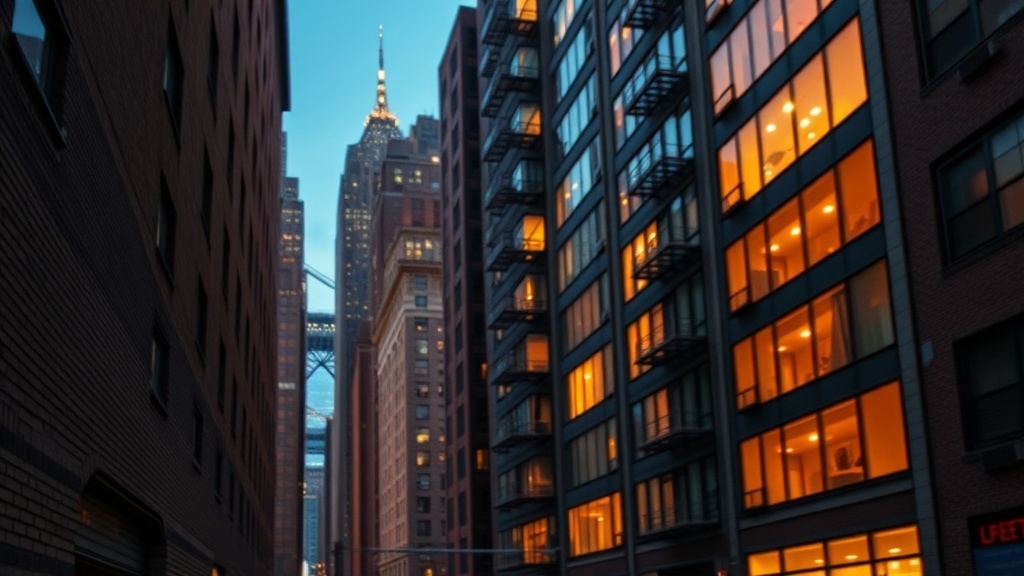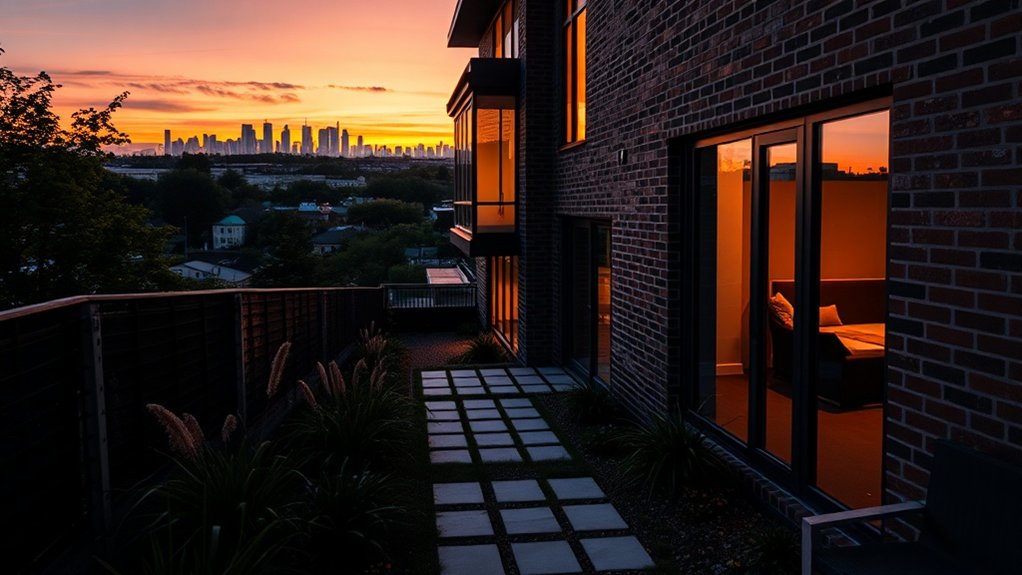
What Is The Mark at Cumberland Foreside?
Where it rises at 100 US Route 1 in Cumberland Foreside, The Mark is a 45-unit luxury condominium development.
It’s housed in a four-story, 64,795-square-foot building on more than three acres. It sold at a court-ordered bankruptcy auction for $15.7 million on Sept. 17.
Construction started in late 2022 and finished in late 2024.
The project has a certificate of occupancy in hand.
It offers 24 one-bedrooms and 21 two-bedrooms.
Maine’s broader housing market has seen home sales jump 11% year over year, underscoring continued demand even as pricing rises.
Disruption Snapshot
The naming origin ties to lead developer Mark McClure.
It positions the property as a signature address in the Foreside.
Benchmark Real Estate has marketed units for tours.
Spring 2025 move-ins are projected.
Design and Living Systems
Architectural features include a bottom-level parking garage and resident storage.
Amenities also include a gym, security systems, and heat pumps throughout.
World-class windows are intended to reduce Route 1 and I-295 noise.
The goal is low-fee, stress-reduced living.
Why Did The Mark Run Out of Money?
How the project collapsed financially traces back to a critical budgeting omission discovered about nine months after the $24.7 million financing closed.
The stalled site is now headed to a September 17 auction after the lender takeover.
Similar high-end developments have also been pushed into a lender-driven public auction after escalating financing and litigation pressures.
Cash Crunch Triggers
Budget Breakdown
The owner representative failed to include key components, a budget oversight that opened a $1.4 million shortfall McClure called a nightmare.
Limited equity and lender pressures blocked additional borrowing, even as utilities and remaining work went unfunded.
Debt Stack and Defaults
Liens and Litigation
Builders Capital held a $20 million first mortgage and Titan Funding about $6.6 million second.
Unpaid contractors reported roughly $2 million in bills, accelerating stoppage and legal action by October 2024.
| Indicator | Impact |
|---|---|
| Budget gap | $1.4M deficit |
| Senior debt | $20M loan |
| Junior debt | ~$6.6M loan |
Why Are The Mark Units Still Empty in 2026?
Financial missteps that stalled The Mark also left it without a leasing engine once the doors could legally open.
Post-Occupancy Disruption
A certificate of occupancy arrived in late 2024, but leasing did not begin at scale.
Units were built as luxury condominiums.
The sales framing complicated a switch to rentals priced at $3,990 to $7,390.
With 24 one-bedroom and 21 two-bedroom layouts, the building’s high-end positioning narrowed the immediate pool.
That mismatch was sharper in a region seeking more varied housing price points elsewhere.
Similar to how rising inventory can shift leverage toward renters and buyers, seller concessions are increasingly shaping high-end housing outcomes.
Operational Barriers Persist
Five months after the September 2025 transfer, the 45 apartments remained dark despite gym, storage, security, and garage amenities.
Marketing failures limited visibility among qualified tenants.
Utility activation and final vendor resets also slowed move-in readiness across 64,795 square feet.
What Does the $15.7M Auction Sale Signal?
Why the $15.7 million bankruptcy auction result drew immediate attention was its sharp break from the project’s debt load and build costs.
The price undercut the $20 million senior lien and sat below about $26.6 million in combined mortgages.
It also trailed reported construction spending above $20 million.
Even as marquee deals like the $13.4 million Bette Davis estate sale set coastal price benchmarks, distressed outcomes like this auction reveal a very different reset in luxury-market risk.
Capital Repricing in Southern Maine
The court-run process bypassed brokerage marketing and produced a distressed benchmark for similar luxury projects.
The price signals Capital Repricing as lenders and buyers reset expectations for absorption risk, carrying costs, and execution.
Builders Capital Finance taking title suggests a defensive move after the developer ran out of funds in October 2024.
With Chapter 11 filed April 22, 2025, the outcome heightens Regulatory Scrutiny of underwriting, budget controls, and oversight.
What Happens Next: Rentals or Condo Sales?
With 45 luxury units still empty at The Mark in Cumberland Foreside, the next phase hinges on whether the building stabilizes as a high-rent asset.
Or attempts a delayed condo sellout.
Cumberland’s average rent near $3,500 sits above the county median of $2,399.
Rental Stabilization Risks
Only five luxury apartments are actively listed in Cumberland, averaging 46 days on market.
Countywide competition is heavy, with 404 active apartments and 763 luxury rentals on Zillow.
A pricing strategy that chases $5,227 highs may extend vacancy.
Rents closer to Yarmouth’s $2,470 two-bedroom benchmark could broaden demand.
Portland’s approval of 2,500 units, potentially amplified by an SDC waiver program, could increase regional supply and further pressure luxury landlords to compete on price.
Condo Relaunch Constraints
Condo conversion feasibility depends on buyers accepting prior expectations after the $15.7M auction reset.
Nearby Portland-area rentals around $2,500 weaken urgency to buy.
Exit uncertain.
Assessment
Cumberland Foreside’s stalled luxury project remains a visible warning sign in Maine’s high-end market today.
Years of empty units reflect financing fragility, construction risk, and limited buyer depth at these prices.
The $15.7 million auction sale reset valuations and shifted leverage toward lenders and new owners.
Officials, neighbors, and brokers are now watching whether the site converts to rentals or resumes marketing.
Until occupancy returns, the property signals capital losses and a gap between supply and demand.